Overview
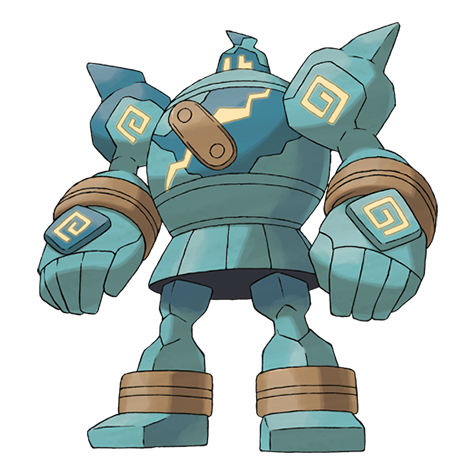
Mega Golurk is the cleanest Trick Room win condition in Pokémon Champions and the matchup most ladder players are losing without understanding why. The headline is 159 base Attack on a 105/105 chassis, with Unseen Fist sending the contact STAB through Protect for 25% damage. The shell behind it — Farigiraf anchor, Torkoal Eruption, Whimsicott momentum reversal — turns the haunted suit of armor into a five-turn sweep window where every Protect click costs you HP and every speed read points the wrong direction.
The kit has more holes than the highlight reel suggests. The Champions nerf priced Unseen Fist down from full damage to a quarter — real, but not a deletion of the defensive metagame. The 95 Speed is a liability the second Trick Room flips. The Ground / Ghost typing folds to four common offensive types and a priority axis. And the entire shell collapses if Farigiraf loses its Sitrus on turn one.
What follows is the toolbox. Eight chapters on the structural answers — bulky Waters, Multiscale Dragonite, Dark priority, Grass walls, your own Trick Room, support disruption, Substitute tech, and the single most important teach moment in the matchup: the Poltergeist Protect bait. Read the contact list, click the right save button, and the 159 Attack stops scaring you on the matchup screen. Notebook open.
Bulky Waters wall the matchup. Pelipper, Toxapex, Quagsire, Slowking-Galar — pick two, build the team, end the threat. The 4× Ground weakness on the Mega Golurk slot is the single biggest hole on the kit.

Pokémon Champions — Switch & Switch 2
Standalone competitive battle game · Online ranked + replays
Affiliate link. We may earn a commission at no extra cost to you.
Chapter 1 · Bulky Waters wall the matchup
The format-defining answer. Mega Golurk is 4× weak to Water from the Ground half and resists nothing the bulky Water roster wants to click. Pelipper, Toxapex, Quagsire, and Slowking-Galar all do the same job for slightly different reasons — wall both STABs, threaten the OHKO with Water coverage, and recover through the chip Mega Golurk's partners are trying to land. If two of these four are on your roster, the matchup is structurally over before it begins.
- Pelipper — Drizzle on entry powers your Water STAB and weakens any Sun reset Torkoal wanted. Hurricane neutral on Ghost; Surf into the 4× Ground weakness ends turns.
- Toxapex — Regenerator soaks the Helping-Handed Headlong Rush, Haze wipes any Calm Mind shenanigans, Scald chip burns the contact attacker.
- Quagsire — Unaware ignores the boosts the partner shell stacks. Recover stalls the contact-PP economy. Liquidation closes once the Headlong Rush self-debuff lands.
- Slowking-Galar — Future Sight is queued, untargetable, and lands turn three; the spread Scald that follows compounds for the OHKO.
- Spread — 252 HP / 252+ Def Bold Pelipper.
- Attacker — 252+ Atk Brave Mega Golurk Headlong Rush, 120 BP Ground STAB.
- Math — Ground hits Water 1×. Pelipper survives a clean click without a roll where it drops below 50%.
- Counter-click — Pelipper Surf same turn, 4× into the Ground half, OHKO range on every standard Mega Golurk spread.
The lead frame writes itself. Pelipper plus a Knock Off user — Pelipper sets rain, the partner pops the Sitrus off Farigiraf, and turn two is a clean Surf into Mega Golurk while the support shell scrambles to set Trick Room without its anchor item. The bulky-Water roster answers both halves of the threat at once: it walls the contact damage and it threatens the kill move.
Chapter 2 · Mega Dragonite Multiscale checkmate
The single best individual answer on the chart. Multiscale halves the first hit from full HP, and the kill line the Golurk player needs — Helping-Handed Ice Punch into Dragonite — falls apart if Multiscale is intact. Without the boost, Ice Punch is chip, not a kill. With the boost, the half-then-multiply math leaves Dragonite alive on the high rolls of every standard Mega Golurk Atk spread. Click Hurricane back, click Earthquake back, click Draco Meteor back — the answer doesn't need a Tera, a setup, or a prediction.
Lead Dragonite into the Mega Golurk slot.
Matchup screen shows Mega Golurk plus Farigiraf? Lead Dragonite. Multiscale eats the Helping-Handed Ice Punch from full HP, and Hurricane turn one hits the Ghost half neutrally for real damage. The Trick Room window opens against a Dragonite that's already swinging — Earthquake into the Ground weakness is the closing click. The Golurk player needed the Ice Punch to land. Multiscale denies the line in one click without a Tera, without a setup, and without a partner.
The asterisk is the doubled Helping Hand line — two boosted Ice Punches break Multiscale on click two. Counter-play is to swap Dragonite out and bring in your bulky Water; the Multiscale stays preserved, and the Ice Punch lands into a Pelipper that resists Ice and recovers through it. Multiscale-Dragonite is at its best paired with a Water-type back half, not isolated.
Chapter 3 · Dark-type priority and Sucker Punch pressure
The cleanest pre-Trick-Room answer. Mega Golurk's 95 base Speed is a liability outside of the room — Dark priority outpaces it for free, and the Ghost half of the typing means Sucker Punch and Knock Off both land super-effectively on a body that doesn't carry a Sucker Punch immunity. The play is to win the lead turn before Trick Room goes up, threaten the Mega with priority chip, and force the support shell to spend its scout turn defending instead of setting.
- Hisui-Zoroark — Ghost STAB hits the Ghost half super-effectively. Illusion disguises the lead as a Whimsicott or Roaring Moon; the Golurk player commits to the wrong read, the Knock Off lands on the Sitrus.
- Roaring Moon — Booster Energy on Speed clears 95 Spe outright before TR is up. Knock pops the item, Crunch hits the Ghost half, Sucker Punch closes once Mega Golurk locks into a damage move.
- Annihilape — Rage Fist scaling. Every Headlong Rush click feeds the counter, and the Ghost STAB cleanup grows turn over turn.
- Pawmot — Double Shock punishes the Rotom-Wash pivot, Mach Punch outpaces post-TR cleanup, Static chips the Mega Golurk's contact PP.
- Speed tier inverts. Outside TR, Sucker Punch is +1 priority and outpaces 95 Spe regardless of stat.
- Ghost half is exposed. Dark hits Ghost super-effectively. The 89 / 105 frame doesn't survive a STAB Sucker Punch off a 119+ Atk attacker.
- Forces the prediction. Mega Golurk has to click damage for Sucker Punch to land. Helping Hand dodges Sucker — but also dodges the damage you were worried about.
- TR can't save it. The setup turn is the turn Mega Golurk dies. Knock plus Sucker from the lead pair erases the threat before Farigiraf finishes.
Roaring Moon deserves the headline. Booster Energy on Speed clears the pre-TR speed tier, Knock pops the Farigiraf Sitrus, and Crunch lands on a Ghost half with no priority insurance. The Golurk player's only out is a Prankster Encore — buying one turn before TR has to be set on a partner that already lost its item.
Chapter 4 · Grass-type walls
The defensive answer. Grass resists Ground and is neutral to Ghost — the bulky Grass roster walls the Headlong Rush spam and trades evenly into the Poltergeist click. The chassis doesn't threaten the OHKO the way Pelipper does, but the staying power lets the rest of your team play around the Trick Room window without losing pieces to chip. Three Grass-types do the work.
- Meganium — bulky Grass, Earth Power coverage on the niche set, Synthesis recovery in the Sun Torkoal accidentally provides. The straightforward wall.
- Serperior — Contrary Leaf Storm. Every click into the Mega Golurk slot stacks +2 SpA while Grass STAB pressures the Ground half for 2×. The +2 stack survives the TR window and turns the back half into a sweep.
- Tapu Bulu — Grassy Surge halves the spread Earthquake option, Wood Hammer is the cleanest single-target Grass STAB in the format, and the chassis bulk eats Poltergeist neutrally.
Serperior is the spice pick. Contrary Leaf Storm into the Ground half is a clean kill on most spreads after one click, and the SpA stack carries forward. The downside is the frail body — Helping-Handed Ice Punch chunks Serperior even after a resisted Headlong Rush. Treat it as a momentum piece, not a wall.
Chapter 5 · Trick Room reversal
The structural inversion. Mega Golurk's 95 Spe is the engine of the sweep under TR — but the same number is a liability the second the room flips. Re-set Trick Room on your own terms and Mega Golurk goes from "moves first in the room" to "moves last in the standard tier" while still wearing the -1 Def / -1 SpD debuffs from Headlong Rush spam. The 89 / 105 frame stops absorbing the chip it needed to.
Four setters flip the matchup, each on a slightly different timing.
- Sinistcha — Heatproof, bulky Grass / Ghost, sets Trick Room off Hospitality healing partners. Resists Ground STAB from the Mega Golurk slot, walls the Helping-Hand turn, sets the room while taking the Ice Punch chip cleanly.
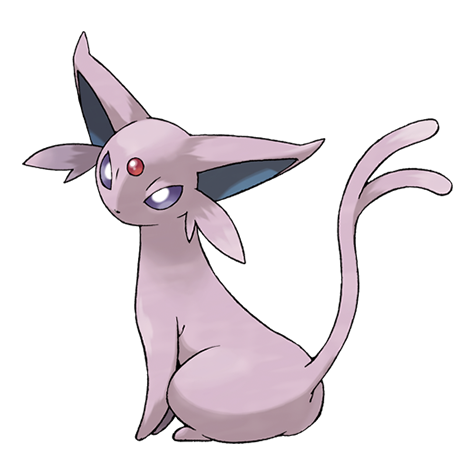
- Hatterene — Magic Bounce neutralizes any status the Whimsicott support side wants to throw, Trick Room goes up uncontested, Dazzling Gleam threatens the Dark-type partner if there is one.
- Cresselia — Lunar Blessing healing keeps the Trick Room shell alive across multiple cycles. Bulkier than Hatterene, slower than Sinistcha, the long-game pick.
- Indeedee-F — Psychic Surge blocks Sucker Punch the Mega Golurk side might be trying to use, Helping Hand boosts your own offensive partner, Trick Room sets clean off the lead.
Don't set Trick Room into Trick Room.
If you click your own TR on the same turn the Farigiraf clicks TR, the two cancel — both teams burned a turn for nothing and the Golurk side gets a free Headlong Rush off the back of it. Two correct patterns. Pattern A — race the lead. Your setter is faster than Farigiraf in the standard tier, so click TR turn one; the Farigiraf TR on turn two flips your room back, but you've already had a turn of slow-mon damage. Pattern B — answer the room. Let Farigiraf set turn one, click your own TR turn three (after the timer is two clicks deep), and the room flips back inside the still-active sweep window. Setting TR into a fresh enemy TR does not work.
Chapter 6 · Disrupt the support shell
The archetype lives or dies on Farigiraf. The anchor brings Armor Tail priority lock, Sitrus recovery, Helping Hand stacking, and the TR click itself. Without it, Mega Golurk is a 95-Speed brick with no turn-one infrastructure. Killing the Golurk is hard. Killing the Farigiraf is easy.
Three clicks stack across turns. Knock Off pops the Sitrus — the giraffe stops surviving the chips it was budgeted to absorb. Prankster Encore (Whimsicott, Sableye, Klefki) locks Farigiraf into the previous click; the TR turn never lands. Imprison from a slow mon that knows TR itself denies the setup outright — Hatterene with Imprison is the cleanest version, with Magic Bounce on top.
Knock T1 · Encore T2 · Sweep T3.
Lead a Knock Off user (Hisui-Zoroark, Incineroar, Tyranitar) plus a Prankster Encore user (Whimsicott, Sableye). Turn one — Knock the Sitrus off Farigiraf. Turn two — Encore whatever the giraffe clicked. If it was Trick Room, lock TR while the room is already up; if it was Helping Hand, lock it into a turn the partner doesn't need the boost. Turn three — Mega Golurk is alone with no item-economy, no Helping Hand stacking, and no setter when the timer expires. Bring in your closer and click STAB. The archetype unwinds because the support piece was easier to break than the threat.
The reason this vector is undervalued is that the highlight reels lead with the 159 Atk number, training the brain to focus on the threat instead of the infrastructure. Farigiraf's 120 / 80 / 65 frame is bulky on paper and brittle in practice once the Sitrus is gone — Knock Off is the one click that cascades. Make the support piece your lead-turn priority and the rest of the matchup softens around it.
Chapter 7 · Substitute eats the chip
The mechanical-tech answer. Substitute creates a clone with HP equal to 25% of the user's max — and Unseen Fist sends contact moves through Protect for 25% of normal damage. The numbers overlap usefully: a Sub against an Unseen Fist click eats the 25% chip into the Sub instead of the user. Most Subs break on the hit, but the user takes zero — and the second Unseen Fist click no longer threatens the way the first one did.
Three mons make the play work.
- Mimikyu — Disguise plus Sub. Disguise eats the first Headlong Rush; Sub goes up turn two. The Golurk needs two clicks to break Disguise — you've bought a third behind the Sub.
- Sub-Roost Dragonite — Multiscale eats the Helping-Handed Ice Punch from full HP, Sub goes up on the recovery cycle, Roost tops HP, and Mega Golurk's contact PP burns faster than Dragonite's HP does.
- Sub-Will-O Heatran — Flash Fire neutralizes the Sun reset Eruption, Sub absorbs the Headlong Rush chip, Will-O burns the contact attacker. A burned Mega Golurk halves its physical output — the Headlong Rush calc collapses by 50%.
The Heatran line is the structural pick because it pairs the Sub tech with the burn, and the contact requirement on Headlong Rush means the Wisp lands every time the Mega swings. After one burn, the 159 Atk reads as 80 effective. Pair Heatran with a Knock lead and the Chapter 6 disruption stacks with the Sub for a four-turn arc that wins without prediction.
Chapter 8 · The Poltergeist Protect bait
The single most important sentence in this guide. Poltergeist is not a contact move. Unseen Fist does not bypass Protect on Poltergeist. The 25% chip-through that defines the rest of the kit does not apply to the Ghost STAB. Click Protect against a predicted Poltergeist and the move fails outright — full stop, no chip, no residual, no roll. The Golurk player burns the turn for nothing while you take zero damage and the Trick Room timer ticks down.
Most ladder players treat the Protect-pierce as an absolute — the tooltip reads "bypasses Protect," the visual reads "haunted statue punches through your shield," and the brain shortcuts the per-move check. The carve-out is sharp: only contact moves bypass. Headlong Rush, contact, goes through. Ice Punch, contact, goes through. Poltergeist, non-contact, does not. The sentence is the whole chapter.
Click Protect against a predicted Poltergeist. Always.
The three damage moves: Headlong Rush (Ground, contact, bypasses), Ice Punch (Ice, contact, bypasses), Poltergeist (Ghost, non-contact, does not bypass). The first two chip for 25% through Protect. The third is denied outright. The read is which move the Golurk player wants — and the answer is "Poltergeist" any time you're a Ground-immune that holds an item. Levitate users (Rotom forms, Bronzong, Eelektross), Flying-types (Dragonite, Corviknight, Tornadus), and Tera-Flying mons all force the Ghost STAB because the Ground STAB is the wrong type. Click Protect, watch Poltergeist fail, take the free turn. The Golurk player wasted a Mega Stone turn on a click that produced zero damage. This is the cleanest single-click counter in the matchup.
The follow-up turns the bait into a win condition. Once Poltergeist has failed once, the Golurk player knows Protect is a real save against half their kit — and the next turn becomes a guessing game. Headlong Rush chips for 25%; Poltergeist doesn't go through at all; Ice Punch goes through but doesn't hit the Levitate / Flying typing Poltergeist was aimed at. The Golurk player either clicks chip and burns Mega Stone tempo, or clicks the wrong-type move and watches it fail again. Either path costs the Trick Room window a turn.
Train the read into your matchup checklist. If your active is a Ground-immune Flying / Levitate type holding an item — and most do — Poltergeist is the click the Golurk player wants to make. Click Protect first. Burn the turn. Walk the matchup down a turn at a time, and the 159 Attack stops mattering when Trick Room expires with no kills on the board.
The lead frame · prediction-free play pattern
The whole guide compresses to one banner. Their lead is Mega Golurk plus Farigiraf — plan: Helping Hand the Ice Punch, set TR turn two, sweep under the room. Your lead is Pelipper plus a Knock Off user — plan: Knock the Sitrus, Surf the Mega, win before Trick Room ever lands. No Tera commitment, no setup, no read-checking. Two clicks. Three turns. Done.
Knock T1 · Surf T2 · Win T3.
Lead Pelipper plus a Knock Off user (Hisui-Zoroark, Incineroar, Tyranitar). Turn one — Knock Off into Farigiraf, Sitrus pops, Drizzle is up. Turn two — Surf into Mega Golurk. Water hits Ground for 4× off a rain-boosted STAB; the OHKO lands on every standard spread. Turn three — the back half is a TR setter that already used its lead click, a Torkoal that lost its Sun reset to your rain, and a Whimsicott with nothing to encore. Bring your closer, click STAB, end the matchup. Three turns, no prediction, no Tera, no Helping Hand. Internalise this and the archetype stops scaring you on the matchup screen.
Don't feed the haunted statue.
Three errors that lose the matchup. One — clicking Earthquake into the Ghost typing. The Ghost half is immune to Ground; you're trading the spread move's ally damage for a single-target hit that whiffs on the Mega Golurk slot. Use single-target Ground (Earth Power, High Horsepower) instead. Two — leaving Farigiraf alive past turn two. Every turn the giraffe is on the field, the TR shell has its anchor, the Helping Hand stacks, and the Sitrus recovers. Knock the item T1, kill the giraffe T2, every turn after is a solo Mega Golurk on a team that lost its support. Three — predicting Headlong Rush and clicking Protect. Protect is correct against Poltergeist (Chapter 8 — non-contact, denied). Protect is wrong against Headlong Rush (contact, 25% chip through). Ground-immune slot? Poltergeist is the read — Protect is correct. Non-immune slot? Headlong Rush is the read — switch out instead.
Unseen Fist reads the contact list. The contact list is short.
- Bulky Waters wall the matchup. Pelipper, Toxapex, Quagsire, Slowking-Galar — pick two, build the team, end the threat. The 4× Ground weakness on the Mega Golurk slot is the single biggest hole on the kit.
- Disrupt the support shell, not the threat. Knock the Sitrus off Farigiraf turn one, Encore the Helping Hand turn two, watch the Trick Room window collapse without an anchor. Killing the support is easier than killing the haunted statue.
- Poltergeist is not a contact move. Click Protect against a predicted Poltergeist click and the Golurk player burns a Mega-Stone turn for zero damage. This is the cleanest single-click counter in the matchup. Train the muscle memory.
The companion pieces
This strategy guide is the inverse of the Mega Golurk field guide — read that one for what Unseen Fist does, why the Trick Room shell wraps around it, and which moves go through Protect at which percentage. The two pieces are designed to be read in either order.
For the support side of the matchup, the upcoming Farigiraf field guide covers the TR anchor this guide spent a full chapter teaching you to disrupt — the Sitrus pillar, the Armor Tail priority block, the Helping Hand stacking line. Read it to understand what you're killing on turn two.
For the speed-control half of the metagame, see the Whimsicott field guide. Prankster Encore is the disruption tool that locks Farigiraf; Tailwind races the room itself. Whimsicott sits on both sides of the matchup — partner for the Golurk player, disruptor for the counter side.
For the TR reversal half of Chapter 5, the Sinistcha field guide covers the Heatproof Grass / Ghost wall that resists Ground STAB and sets the room on the same turn.
Read the contact list. Click Protect on the Poltergeist read. Notebook closed.
Related coverage
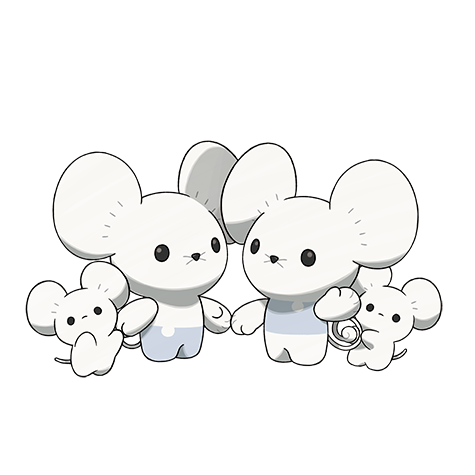
If this was useful, here is the rest of saavage.com's coverage on this beat: Whimsicott — Prankster Encore controls the clock, Sinistcha — Field Guide, Mega Golurk — The 159-Attack Trick Room sweeper that punches through Protect, and Maushold — Friend Guard support, recruit on sight.