Overview
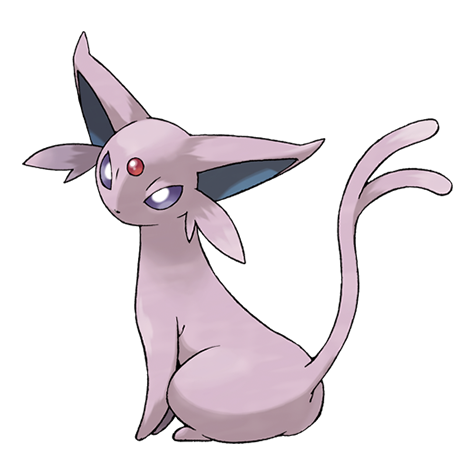
Espeon walks onto the field and half your move slots stop working. Will-O bounces. Taunt bounces. Encore, Thunder Wave, Spore, Toxic, Leech Seed — sender, sender, sender, sender, sender. The status-spam half of the team turns into a dead pile, and most ladder players see that wall and panic into a switch they don't have.
That's the read this guide is going to break. Magic Bounce is the cleanest auto-counter in Pokémon Champions, and yes, it eats every Whimsicott, Sableye, Klefki, and Amoonguss lead the format throws at it. But the ability has a strict rulebook — it reflects status, and only status. It doesn't reflect attacks. It doesn't reflect field-class moves like Trick Room or Tailwind. It doesn't reflect ally-targeted utility like Helping Hand or Ally Switch. It doesn't see weather. It doesn't see screens. And it doesn't see the Tera button.
That's seven open lanes against one closed one. The status column is loud — when Espeon shuts it down, the volume convinces players the entire matchup is sealed — but the spreadsheet has plenty of other columns. What follows is the toolbox: seven chapters on what the bounce never reads, the mons that exploit each gap, and the lead frame that wins the matchup without asking you to predict anything. Notebook open.
Knock Off first. Espeon's entire build is item-coded — erase Specs, Light Clay, or Sash before the bounce gets to do anything that matters.

Pokémon Champions — Switch & Switch 2
Standalone competitive battle game · Online ranked + replays
Affiliate link. We may earn a commission at no extra cost to you.
Chapter 1 · What Magic Bounce doesn't catch
Memorise the carve-out list and the matchup stops looking like a wall. The bounce has a strict definition of "status" — it ricochets moves that target Espeon and aim to set a condition on it. Anything else slides through.
Status is a column, not a category.
Magic Bounce reflects targeted status moves only. Field-class moves (Trick Room, Tailwind, weather, screens), ally-targeted moves (Helping Hand, Ally Switch), and every damage move on the chart bypass the ability without a roll. If the move doesn't try to inflict a condition on Espeon specifically, the bounce never reads it.
The seven open lanes, in order:
- Trick Room — field-class. Goes up, flips the speed tier, the bounce never blinks.
- Tailwind — also field-class. Prankster Tailwind off a Whimsicott resolves clean even with Espeon staring across.
- Weather setting — Drought, Drizzle, Sand Stream, Snow Warning. Torkoal, Pelipper, Tyranitar, Ninetales-A. All clean.
- Screens — Reflect and Light Screen go up on either side. The bounce ignores the click.
- Helping Hand — flagged as a partner buff, not a hit on Espeon. Lands every time.
- Ally Switch — repositions through the bounce, dodges focused fire.
- Damage — every base-power number on every move card in the game. The ability only reads the status column.
That is the foundation. If a move appears on that list, you click it without checking whether Espeon is on the field. The rest of this guide is six different ways to weaponise those open lanes.
Chapter 2 · Knock Off pressure
The single best opening click against any Espeon that walks on the field. Espeon's item slot is the entire build — Choice Specs is the offensive ceiling (130 SpA × 1.5, the lead-turn nuke), Light Clay is the support ceiling (eight-turn screens instead of five), Focus Sash is the disruption ceiling (guarantees the turn-one Calm Mind survives). Pop the item and every plan collapses to the floor at once.
Specs Espeon without Specs is a 130 SpA mon doing 130 SpA damage, not 195. Light Clay Espeon without Light Clay is running five-turn screens like every other support mon. Sash Espeon without Sash is a 65/60 frame that dies to a stiff breeze. Knock Off is the move that costs the opposing player their entire game plan in a single PP, and the Reg M-A Knock Off roster is deep enough that you almost certainly already own one.
- Hisui-Zoroark — Dark/Normal STAB on Knock, Illusion mind game on top, beats 110 Spe after one tick of Tailwind.
- Roaring Moon — Booster Energy on Speed clears 110 Spe outright. Knock first, Crunch second.
- Sneasler — Unburden chassis. Knock pre-Acrobatics, eat your own item, snap to +2 Speed.
- Incineroar — Intimidate softens the Calm Mind plan, Knock pops Sash / Specs / Light Clay on the turn after.
- Tyranitar — bulky Knock chip with Sand Stream chip behind it, eats Sash regardless of click order.
- Items are not status. Knock Off is a damage move with a side effect — the bounce doesn't read either half.
- Specs lock dies with the item. The 1.5× multiplier vanishes the turn the Specs hits the floor.
- Sash dies to the same click. Knock Off's chip is enough to register as the "first hit" Sash was supposed to absorb.
- Light Clay loses three turns. Eight-turn screens become five — the long-game plan loses its tail.
The play pattern is mechanical. If you read Espeon on the lead screen, your first click is Knock Off. Not bounce-bait. Not Calm Mind insurance. Not a sacrificial pivot. Knock Off. Erase the item, then play the rest of the matchup against a Pokémon that lost half its plan before turn two.
Chapter 3 · Bug-type leads
The chart is doing the work for you. Espeon is pure Psychic, Bug is super-effective into Psychic, and Espeon's defensive frame reads as 65 HP, 60 Def, 95 SpD. The 95 SpD pillar sounds defensible until you remember that Bug Buzz is hitting the special side of a 65/95 body for double damage off a stat that's already a known soft spot — and the physical Bug option is hitting the 60 base Defense, which is the worst stat on the spread.
Three Bug-type leads do the work, and you do not need a Tera click on any of them.
- Volcarona — Bug Buzz is 90 BP special STAB, no setup required. Spreads to a partner if the partner is in the way, but the single-target click into Espeon is the clean line.
- Iron Moth — same Bug Buzz math off Booster Energy SpA, plus Sludge Wave coverage for the Fairy partners that Espeon teams pair with for Dark insurance.
- Heracross — Megahorn is 120 BP physical Bug STAB into Espeon's 60 base Defense. The bluntest line in the guide.
Bug STAB OHKOs the standard spread.
Volcarona Bug Buzz at no setup into a standard 4 HP / 252 SpA Modest Espeon is a guaranteed OHKO on the calc — 90 BP Bug STAB, 4× weakness, against a 65 HP / 95 SpD body. Iron Moth Bug Buzz reads the same off Booster Energy SpA. Heracross Megahorn into the same spread is overkill OHKO — physical 120 BP Bug STAB into a 60 base Defense doesn't have a roll where Espeon survives. Lead Bug, click STAB, end the turn.
The reason Bug leads beat the rest of the counter list on convenience is that they don't require any of the auxiliary infrastructure the other chapters need. No Tera commitment, no item read, no partner setup, no prediction. Volcarona, Iron Moth, and Heracross click their Bug move and the matchup ends inside the lead pair. If you draw an Espeon team on the matchup screen and you have any of the three on your roster, your lead is already decided.
Chapter 4 · Dark-type kill switches
The chart's second free lane. Dark hits Psychic for the same flat 2× multiplier, and the Dark-type roster in Reg M-A is the deepest threat tier in the format — meaning most teams already pack one. Each Dark answer attacks Espeon from a slightly different angle, so pick the one your team needs most and slot it.
- Roaring Moon — 119 base Spe under Booster Energy clears 110 Spe by a comfortable tier. Knock Off + Crunch is the cleanest two-click sequence in the matchup.
- Hisui-Zoroark — Dark/Normal STAB plus Illusion. The opposing player doesn't even know Espeon is across from a Hisui-Zoroark until the Knock Off lands.
- Tyranitar — Crunch as STAB, Sand Stream chipping the Sash off if you didn't break it on click one, enough physical bulk to eat a Calm Mind Psychic and answer with the kill.
- Annihilape — Rage Fist scaling. Every hit Espeon throws into it stacks the Ghost-STAB cleanup move, and Ghost is the third type Espeon doesn't want to see.
- T1 entry — Booster Energy resolves on Speed, Roaring Moon clears 110 Spe.
- T1 click — Knock Off. Specs / Light Clay / Sash hits the floor.
- T2 click — Crunch. Dark STAB into a 65/95 Psychic body.
- Outcome — Espeon does not get a turn that matters. The bounce reflects nothing because Roaring Moon clicked two damage moves.
Roaring Moon deserves its own banner because the matchup is one-sided enough to qualify as a "kill switch" in the literal sense — it shuts the Espeon archetype down on the lead screen by existing. Booster Energy on Speed is what the bracket math hangs on; Knock Off is what the item economy hangs on; Crunch is what the closing turn hangs on. The bounce is reading a column Roaring Moon never visits.
The Annihilape line is the dark horse. Espeon teams want to click damage at Annihilape because nothing else on the team is doing physical work, and every click feeds a Rage Fist counter that turns into a Ghost-STAB execution move once the matchup is two turns old. If your Dark answer also has to be your anti-mirror tech (because the opposing Espeon's partner is another Psychic), Annihilape is the single mon that handles both.
Chapter 5 · The Trick Room window
The cleanest structural answer in the guide. Espeon's spread reads 65 HP, 60 Def, 65 Atk, 130 SpA, 95 SpD, 110 Spe, and the 110 Speed is doing the entire defensive job on the offensive build. It's the stat that lets Espeon click Calm Mind first, click Psychic first, click Helping Hand first — the move-order dominance that makes the frail body survivable. Reverse the speed bracket and the spread collapses.
Trick Room is a five-turn window where the slowest Pokémon moves first. Iron Hands at 50 base Spe under TR moves before Espeon. Ursaluna at 50 base Spe under TR moves before Espeon. Farigiraf on a TR-tuned spread moves before Espeon. Hatterene at 29 base Spe moves before Espeon by a country mile. Every TR-anchor in the format moves before Espeon, and the 65 HP / 60 Def frame is not built to absorb any of those Pokémon's first STAB click.
- Iron Hands — Drain Punch is Fighting STAB into a Psychic-resist mon, but the raw damage off the Hands chassis still cuts through 65/60 every time. Heavy Slam reads the same.
- Ursaluna — Headlong Rush is 120 BP physical Ground STAB. 60 base Defense is not surviving that calc.
- Farigiraf — Armor Tail body, Hyper Voice spread, Trick Room setter and sweeper in one slot.
- Hatterene — Magic Guard, Dazzling Gleam, sets TR and survives Espeon's first Psychic on the way down.
- TR is field-class. The bounce ignores it. You set TR with Espeon on the field and the move resolves clean.
- The 110 Spe stat inverts. Espeon goes from "moves first by default" to "moves last by default" for five turns.
- The defensive frame is honest. 65/60 with no priority and no recovery does not survive two STAB clicks in a row.
- Three-turn arc. Knock T1, set TR T2, sweep T3. No prediction required.
Tailwind goes through Magic Bounce too.
Don't get lost in the Trick Room read and forget the other half of the speed-control rulebook. Speed setting is field-class, not status-class — Whimsicott Prankster Tailwind off the lead lands clean even into a stared-down Espeon. The mistake is using the status-bounce list as a mental shortcut for the entire field and forgetting Tailwind is on the legal side of the line. Either set your own Tailwind, race the clock, and click damage in the window — or commit to the TR read and treat the speed metagame as upside-down for five turns.
Chapter 6 · The Helping Hand exploit
Helping Hand is ally-targeted. The rulebook flags it as a partner buff, not a hit on Espeon, which means Magic Bounce never reads it. Click Helping Hand from Indeedee, Farigiraf, or a support-build Whimsicott, and your partner's next attack lands at +50% damage. The Espeon player has no answer to the click that doesn't involve a Wide Guard the bounce can't help with.
The math is the part that closes the matchup. Espeon's special bulk is 65 HP / 95 SpD. Spread moves resolve at the standard 0.75× reduction, which reads as 60 effective base power on a single click. Stack +50% from Helping Hand and you're projecting a 90-BP-equivalent neutral special hit into a 65/95 frame off any 100+ SpA pivot. That's clean OHKO range against any Espeon spread that isn't a dedicated bulky-Calm-Mind build.
Helping Hand into Heat Wave is the cleanest line.
Indeedee or Farigiraf in the back, Heatran or Hisui-Typhlosion in the front. Helping Hand isn't status — the bounce ignores it — and the partner gets the +50%. Heat Wave at spread reduction is 60 effective BP, plus 1.5× from Helping Hand, into Espeon's 65 HP / 95 SpD frame. The OHKO line lands without a Calm Mind, without a Tera click, without a prediction. The bounce reflects nothing because nothing got targeted at Espeon — the support move was clicked on Indeedee, the damage was dealt by Heatran. Magic Bounce is reading a different column.
The same trick rebuilds around any spread move. Earthquake from a physical attacker into the 60 base Defense is the same conversation, only worse — Ursaluna Headlong Rush boosted by Helping Hand is overkill on every spread. Discharge into the 65/95 frame closes the section. The pattern is two-step: lead a spread-damage hitter and a Helping Hand carrier, click Helping Hand turn one, click spread turn one, end the matchup inside the lead pair.
The reason this exploit doesn't get talked about enough is that Helping Hand reads as a "support" move, and most counter-Espeon brain-storming starts from the offensive side of the chart. Cross the wire — let your Indeedee do the work, and the bounce never sees the boost coming.
Chapter 7 · The Tera Bug / Tera Dark tech
The closing trick. Most teams already pack a Tera-flexible offensive piece — Dragonite, Garchomp, Hisui-Typhlosion, Iron Hands — and the cleanest single-turn punish in the matchup is to spend the Tera click on Bug or Dark.
The math compounds. Tera Bug on a partner mon turns the next attack into Bug STAB at the doubled multiplier — Tera Bug Dragonite Pollen Puff is the inside-out version, Tera Bug Volcarona doubles down on the Bug Buzz line. Tera Dark turns any non-Dark attacker into a Dark STAB threat — Tera Dark Garchomp Crunch, Tera Dark Hisui-Typhlosion Throat Chop, Tera Dark Iron Hands Throat Chop. Either type erases Espeon in one turn off a 4× or 2× super-effective STAB attack.
The cost is real. Burning Tera on the Espeon punish means you don't have it later in the back-half of the game, and Tera is a finite resource on the team-builder spreadsheet. The math sells it anyway because Espeon is the centerpiece of the matchup — if Espeon dies in the first two turns, the rest of the opposing team is playing without the bounce that the entire build was wrapped around. That's worth the click against the right opponent.
The read is mechanical. Open the lead screen, see Espeon on the lead, and decide before turn one whether your Tera goes on a Bug or Dark click. If your team has Volcarona or Roaring Moon, you don't need the Tera — they already have the typing. If your team has Dragonite or Garchomp, the Tera click is doing the work the typing wouldn't. Either way, end the matchup before the Calm Mind window opens.
The lead frame · prediction-free play pattern
The whole guide compresses to one banner. Their lead is Espeon plus a Sash partner — plan: click Calm Mind, click Helping Hand, swing the bounce out to the back. Your lead is a Knock Off user plus a Trick Room setter — plan: erase the item, flip the speed tier, sweep with the slow piece. The matchup is decided by which side controls speed and which side has its item economy intact at the end of turn two. Knock Off plus TR controls both. The Espeon side controls neither.
Knock Off T1 · Trick Room T2 · Sweep T3.
Lead a Knock Off user (Hisui-Zoroark, Roaring Moon, Incineroar) plus a Trick Room setter (Hatterene, Farigiraf, Sinistcha). Turn one — click Knock Off. Item is gone, Specs / Sash / Light Clay is gone, half the build is gone. Turn two — set Trick Room. The bounce ignores the click; the speed tier flips. Turn three — bring in your slow heavy hitter (Iron Hands, Ursaluna) and click STAB. No prediction required, no Tera commitment unless you want one, and the matchup is decided inside the first three turns. This is the pattern. Internalise it and the Espeon archetype stops scaring you on the matchup screen.
Don't feed the bounce.
Three errors that lose the matchup before turn three. One — clicking status into Espeon. Will-O, Taunt, Encore, Spore, T-Wave. The bounce is the entire pitch. If you click any of those moves at the slot Espeon is sitting in, the move comes home and you've burned a turn for free. Two — leading frail attackers without Bug or Dark backup. A Gengar lead with no Roaring Moon behind it is a Gengar that gets one Psychic clicked at it from an Espeon with Specs intact. Three — burning Tera on the wrong piece. If you Tera your Iron Hands into Fairy for a different matchup, you don't have the Tera Dark Throat Chop punish for Espeon. Decide the Tera commitment on the team-builder, not on the lead screen.
Bounce only reads status. Bring everything else.
- Knock Off first. Espeon's entire build is item-coded — erase Specs, Light Clay, or Sash before the bounce gets to do anything that matters.
- Bug or Dark in the lead. The chart is doing the work. 4× Bug into a 65/95 special body is an OHKO without setup; 2× Dark off a Roaring Moon Booster chassis closes the matchup on turn two.
- Trick Room or Helping Hand from the back. The bounce reads neither. Flip the speed tier or stack a +50% spread move and the 65/60 frame stops absorbing the damage the build was supposed to outpace.
The companion pieces
This strategy guide is the inverse of the Espeon field guide — read that one to understand what the bounce does and why it lands, then come back here for the toolbox that breaks it. The two pieces are designed to be read in either order.
For the support side of the matchup — the Pokémon Espeon is built to neutralize — see the Whimsicott field guide and the Sableye field guide. The Prankster Encore lead and the Will-O-Wisp goblin are the two archetypes that lose to Magic Bounce on click one, and understanding why they fold is half the reason this guide exists.
For the kill-switch side — the Pokémon that delete Espeon on the lead screen — the upcoming Hisui-Zoroark field guide and Roaring Moon field guide cover the two best individual answers in Reg M-A. Roaring Moon is the cleanest Booster Energy speed-tier counter; Hisui-Zoroark is the cleanest Illusion-disguised Knock Off lead. Either one in the back of your team turns the matchup from a problem into a free knockout.
Read the kill switches. Bring the Tera. Notebook closed.
Related coverage
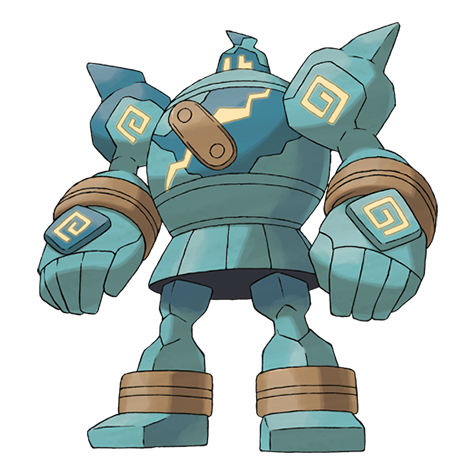
If this was useful, here is the rest of saavage.com's coverage on this beat: Whimsicott — Prankster Encore controls the clock, Sinistcha — Field Guide, Mega Golurk — The 159-Attack Trick Room sweeper that punches through Protect, and Maushold — Friend Guard support, recruit on sight.