Overview
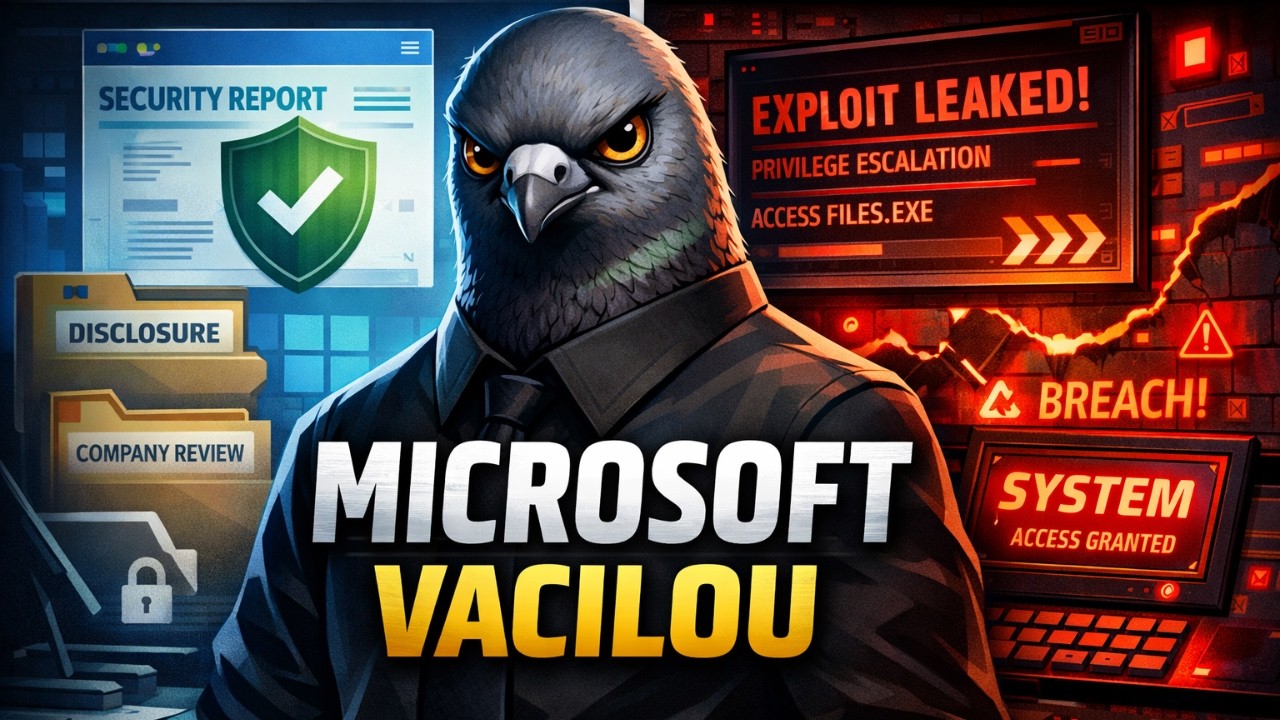
A security researcher publicly disclosed a critical zero-day vulnerability in Windows before Microsoft had a patch ready. The leak triggered immediate concern across the cybersecurity community, not just because of the flaw itself, but because of what it revealed about Microsoft's internal response capabilities.
The vulnerability allows attackers to gain elevated system access on unpatched machines. The public disclosure before a fix was available created a window where every Windows system became a potential target.
Introduction: The Unseen Threat to Your Digital Life
Introduction: The Unseen Threat to Your Digital Life
In the sprawling, complex ecosystem of modern computing, few pieces of software are as foundational—or as critical—as Windows. It powers billions of devices, from corporate servers to personal laptops, making it the undisputed backbone of the global digital economy. But with immense power comes immense vulnerability.
Recently, the tech world was rocked by the news of a significant zero-day vulnerability leak. A researcher reportedly exposed critical flaws within the Windows operating system, triggering immediate alarm bells among cybersecurity experts worldwide. This wasn't just a minor bug; this was a deep-seated flaw that, if exploited, could allow malicious actors to gain unprecedented levels of control over infected systems.
The leak has done more than just reveal a technical weakness; it has ignited a fierce debate about the state of corporate security practices at Microsoft. Critics are pointing to the incident as evidence of internal chaos, suggesting that even industry giants can struggle to maintain impenetrable digital fortresses.
Understanding the Zero-Day Threat: Why These Flaws Are So Dangerous
Before we delve into the drama surrounding Microsoft, it is crucial to understand the core concept at play: the "zero-day."
In cybersecurity terms, a zero-day vulnerability is a flaw or weakness in software that is unknown to the software vendor (in this case, Microsoft) and for which no patch or fix exists. The term "zero-day" refers to the fact that the vendor has had "zero days" to prepare a defense.
How does a zero-day attack work? When an attacker discovers a zero-day vulnerability, they can weaponize it immediately. Since the software company is unaware of the flaw, they cannot issue a patch. This gives the attacker a massive, temporary advantage. They can exploit the vulnerability to execute arbitrary code, bypass security measures, or steal sensitive data—all before the vendor even knows the flaw exists.
The Leak and the Fallout: Exposing the Chaos at Microsoft
The controversy surrounding this leak centers not only on the technical flaw itself but on the perceived failure of the company responsible for the operating system. The research leak suggests that the vulnerability was exposed prematurely or that the internal processes for handling such critical flaws are deeply flawed.
The Implications for Corporate Security: When a major vulnerability is leaked, it forces the vendor into a reactive, rather than proactive, security posture. Cybersecurity experts are questioning the depth of Microsoft’s internal auditing and patch management systems. The narrative emerging from the leak is one of systemic vulnerability—a suggestion that the sheer scale and complexity of Windows make it nearly impossible to secure perfectly.
This incident serves as a stark reminder that no software, regardless of how robust or how frequently updated, is truly infallible. It shifts the conversation from "How secure is Windows?" to "How prepared are we to handle a zero-day attack?"