GPU vulnerabilities and emerging memory attacks
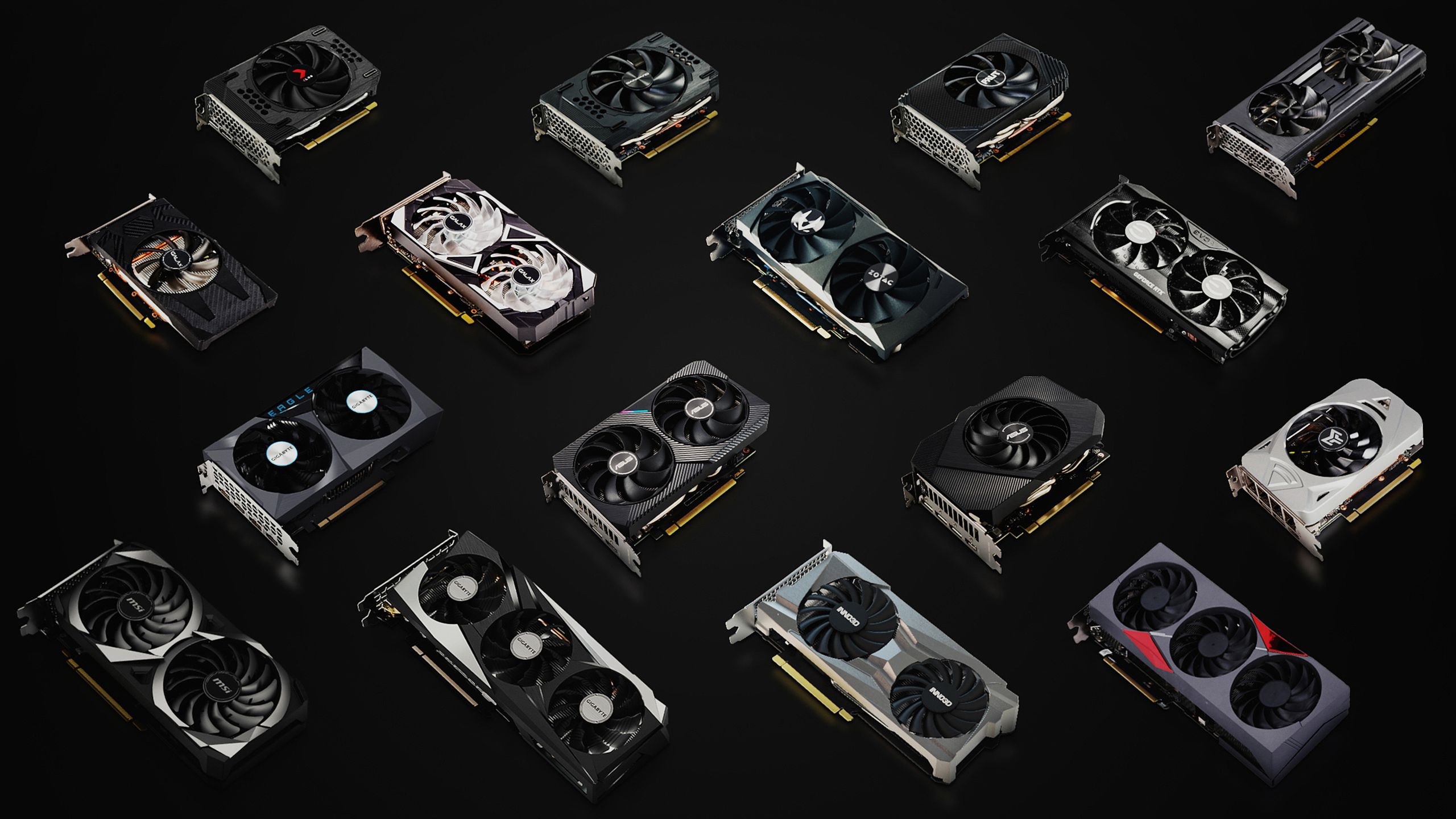
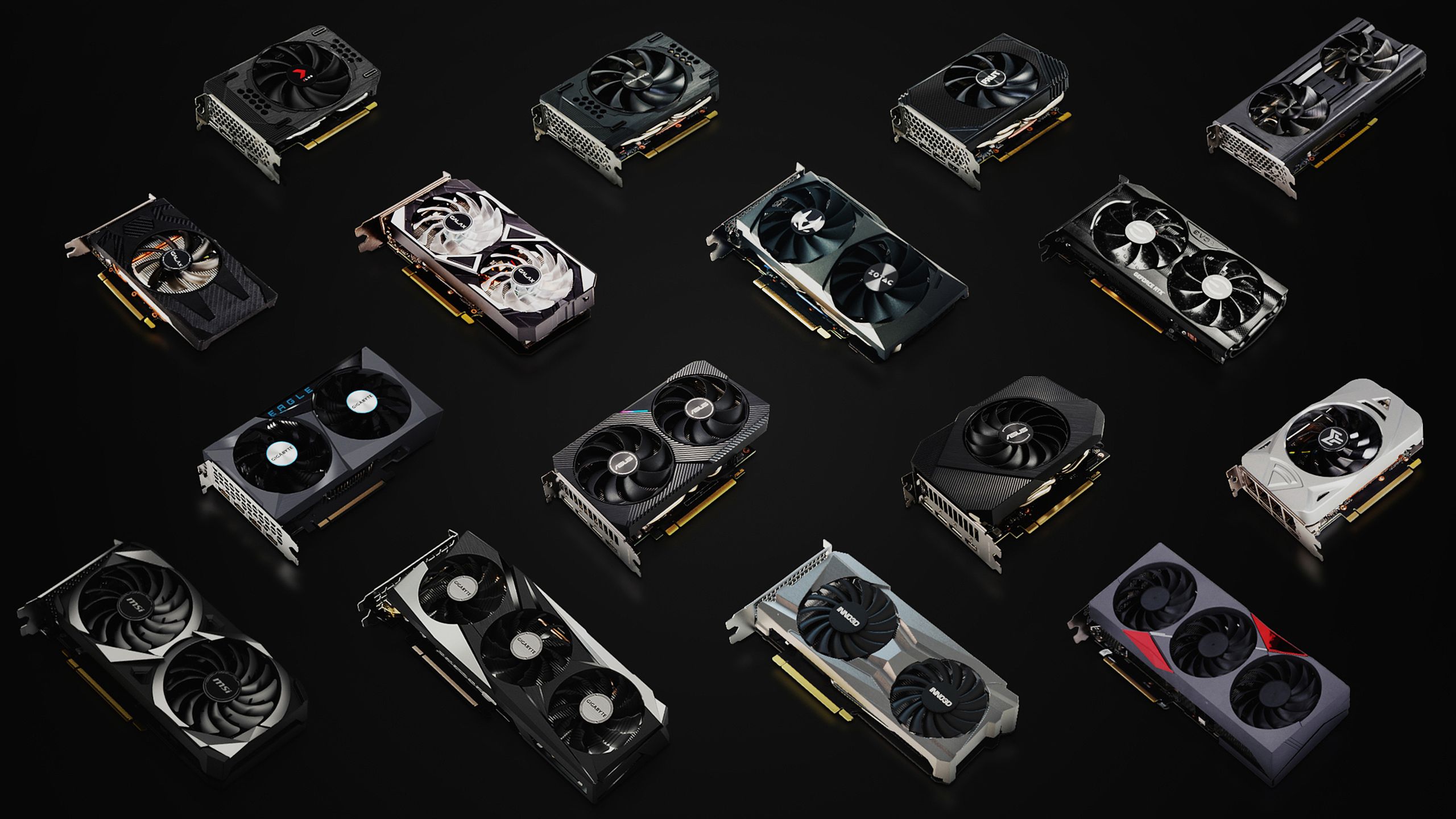
Security researchers have demonstrated two new attacks against Nvidia GPUs. GeForge and GDDRHammer use Rowhammer-style techniques to flip bits in protected VRAM regions, bypassing memory isolation to gain unauthorized read and write access.
The attacks target GPU video RAM specifically, not system memory. By forcing electrical disturbances in VRAM, attackers can corrupt protected data and potentially escalate to full system compromise. The vulnerabilities affect GPUs used in both gaming and AI workloads.
The Anatomy of the Threat: Understanding Rowhammer in VRAM
The Anatomy of the Threat: Understanding Rowhammer in VRAM
To understand the danger of 'GeForge' and 'GDDRHammer,' we first need to grasp the underlying principle: Rowhammer.
What is Rowhammer?
Rowhammer is a type of physical memory vulnerability that exploits the electrical characteristics of modern DRAM (Dynamic Random-Access Memory). In simple terms, DRAM stores data in tiny capacitors. When you repeatedly access (or "hammer") a specific row of memory cells very quickly, the electrical stress can leak over and disrupt the data stored in adjacent, physically protected rows.
This disruption causes a bit flip—a single bit of data changing its state. While this has been studied in standard system RAM (DDR), the latest attacks have successfully adapted this principle to the specialized, high-speed memory found on GPUs: GDDR (Graphics Double Data Rate) VRAM.
Introducing GeForge and GDDRHammer
'GeForge' and 'GDDRHammer' are the names given to the specific exploitation methods that target this VRAM vulnerability. They represent a significant evolution of the original Rowhammer concept. Instead of simply causing random bit flips, these attacks are highly targeted. They are designed to force bit flips in specific, protected regions of the VRAM—regions that hold crucial operating system data, security keys, or privilege levels.
The goal is not just to crash the system; the goal is to manipulate the data stream enough to trick the system into granting the attacker elevated privileges, effectively bypassing the hardware and software security layers designed to keep your data safe.
How the Attacks Achieve System Infiltration
The danger of these attacks lies in their ability to escalate privileges. Modern operating systems and hardware components rely on strict memory segmentation to prevent one program from reading or writing to the memory space of another. This is the foundation of system security.
The Mechanism of Exploitation
The attack process generally follows these steps:
1. **Target Identification:** The attacker identifies a critical data structure or security variable within the GPU's memory space (VRAM) that, if flipped, would grant them higher access rights (e.g., moving from a standard user level to kernel-level access). 2. **The Hammering:** The attacker's malicious code then executes a rapid, repetitive memory access pattern—the "hammering"—specifically designed to induce electrical interference in the target memory row. 3. **The Bit Flip:** The physical stress causes the desired bit flip in the protected memory region. 4. **Privilege Escalation:** Because the bit flip has altered a critical security variable (like a pointer or a permission flag), the operating system or GPU driver interprets the altered data as legitimate, granting the attacker the elevated read/write access they sought.
This means that even if the operating system is patched against other vulnerabilities, the physical nature of the memory itself can be exploited to undermine the security model.
Mitigating the Risk: What Users and Manufacturers Must Do
The discovery of 'GeForge' and 'GDDRHammer' highlights a fundamental tension in technology: the pursuit of raw speed often introduces physical security risks. Addressing this requires a multi-pronged approach involving hardware, software, and user awareness.
1. Software and Driver Patches
The immediate defense is through software updates. GPU manufacturers and operating system developers must implement patches that adjust how the memory controller manages and allocates VRAM. These patches often involve adding "refresh cycles" or "dummy reads" to the memory access patterns, effectively dampening the electrical stress that causes the bit flips. Users must ensure their GPU drivers and OS are running the absolute latest versions available.
2. Hardware Improvements (The Long-Term Fix)
Ultimately, the most robust solution lies in hardware redesign. Memory chips and controllers need built-in physical safeguards that are immune to external electrical stress. Future generations of VRAM may incorporate physical redundancy checks or advanced error-correcting codes (ECC) that are specifically designed to detect and neutralize the subtle electrical disturbances caused by Rowhammer attacks before they can corrupt critical data.
3. User Best Practices
While the burden of the fix falls on manufacturers, users can take proactive steps: Keep Everything Updated:** Never ignore critical driver or OS updates. Use Antivirus/Endpoint Protection:** While not a complete shield, robust security software can detect the unusual memory access patterns associated with these exploits. Monitor Security Advisories:** Stay informed about vulnerabilities specific to your hardware components.
Conclusion
The emergence of 'GeForge' and 'GDDRHammer' is a stark reminder that cybersecurity is no longer purely a software problem; it is increasingly a physical one. The vulnerability of VRAM to Rowhammer attacks means that even the most sophisticated, expensive, and powerful computing hardware can carry a fundamental, physical risk.
While manufacturers are racing to issue patches and redesign memory controllers, users must remain vigilant. Understanding the threat, keeping systems updated, and being aware of the underlying physical vulnerabilities of your hardware are the best defenses against these powerful and insidious attacks.