Overview
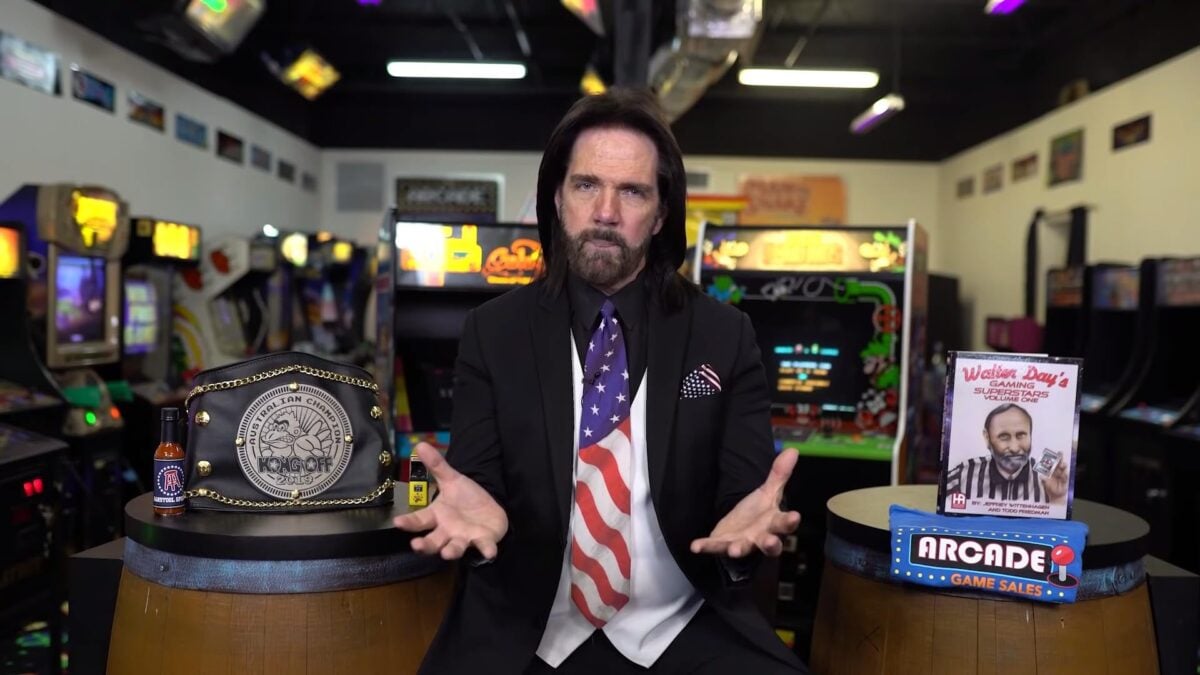
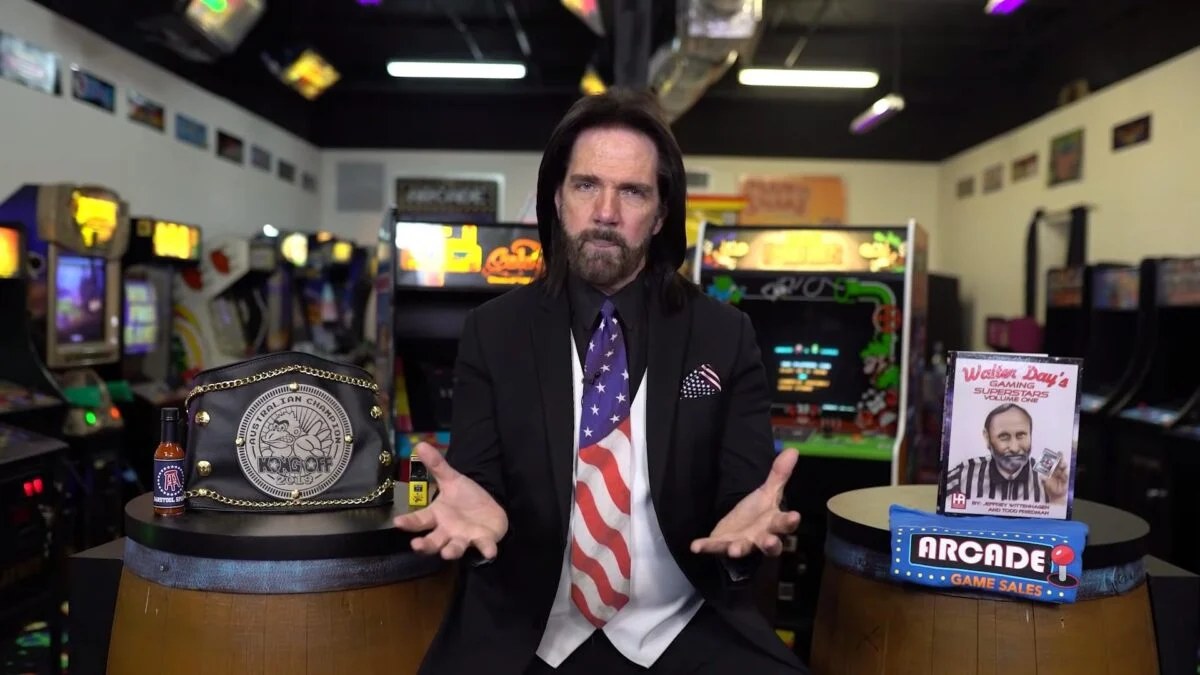
Karl Jobst, a YouTube content creator, has filed a lawsuit against Billy Mitchell, the former Donkey Kong high score holder, in the Southern District of Florida. The complaint alleges defamation, unauthorized use of likeness, and intentional infliction of emotional distress.
The filing follows Mitchell winning a defamation case against Jobst in an Australian court in 2025. Jobst is representing himself in the new case, citing Mitchell's public statements on X as evidence of ongoing defamation. The dispute has evolved from online disagreements into a complex, cross-border legal battle.
The Cycle of Digital Litigation and Reputation Warfare
The Cycle of Digital Litigation and Reputation Warfare
The entire saga highlights the volatile nature of online fame and the precariousness of digital reputation. The initial friction between Jobst and Mitchell was fueled by Jobst’s own content, which had previously suggested that Mitchell’s legal action against him was related to the suicide of another creator, Apollo Legend. This revelation caused a substantial dip in Jobst's credibility among his fanbase, suggesting that the initial accusations may have been intentionally misleading.
The current lawsuit, while citing Mitchell’s posts as evidence, notably omits any mention of Apollo Legend, suggesting a tactical pivot in the legal strategy. Instead, the complaint emphasizes the emotional damage caused by the public accusations. This focus on "emotional distress" is a common, yet often difficult-to-prove, claim in defamation law, requiring the plaintiff to establish a direct causal link between the defendant's actions and specific, measurable psychological harm.
The use of social media posts, particularly those on X, as primary evidence underscores how modern legal disputes are conducted. These platforms are no longer merely communication tools; they are primary repositories of evidence, capable of sustaining a legal claim regarding libel or slander. The specificity of the quotes used in the filing—such as the claims of scamming and bankruptcy—gives the lawsuit a tangible anchor point, even if the ultimate goal is to prove intangible emotional harm.
Analyzing the Legal Tactics and Credibility Stakes
The legal maneuvers employed by both parties reveal a deep understanding of public relations warfare, even if they are executed through the formal channels of litigation. Mitchell’s public response to the new suit, referencing his win at the Kiwi Farms “Lowcow of the Year Awards 2025” and stating, "I look forward to winning Best Supporting Actor again," suggests a continued pattern of leveraging public visibility and minor accolades to maintain a narrative of dominance.
Jobst’s choice to file the suit pro se adds another layer of complexity. While self-representation can signal confidence or desperation, in a high-stakes legal battle, it often suggests a limited budget or a tactical decision to keep the proceedings focused on public sentiment rather than complex legal arguments. The discrepancy between the highly dramatic, emotional claims in the suit and the fact that Mitchell already won a related defamation suit suggests that the primary objective may not be a definitive legal victory, but rather the continuation of public narrative control.
The case serves as a real-time case study in the economics of online influence. For content creators, reputation is the most valuable asset, and the threat of litigation—whether defamation, libel, or emotional distress—can instantly devalue that asset. The fact that the dispute has escalated to federal court in Florida demonstrates that the parties view their online personas as having significant, quantifiable, and legally defensible value.
The Broader Implications for Online Content Creators
The Mitchell vs. Jobst saga is a microcosm of the legal challenges facing the entire streaming and content creation industry. As platforms become more intertwined with personal finance, brand endorsements, and public identity, the legal risks associated with online speech escalate dramatically.
The legal system is struggling to keep pace with the speed and permanence of digital communication. When a statement made years ago on a platform like X is used to build a federal lawsuit, the concept of "context" becomes a critical, yet legally ambiguous, defense. Furthermore, the use of emotional distress claims forces courts to grapple with the intangible nature of online harassment—how does one quantify the mental anguish caused by a viral accusation?
This ongoing conflict serves as a warning to all digital personalities. The assumption of immunity or the belief that a public spat remains merely "internet drama" is demonstrably false. The legal framework treats these disputes with the same gravity as any traditional libel case, meaning that even the most hyperbolic online accusations can carry real-world legal weight and financial consequence.