Overview
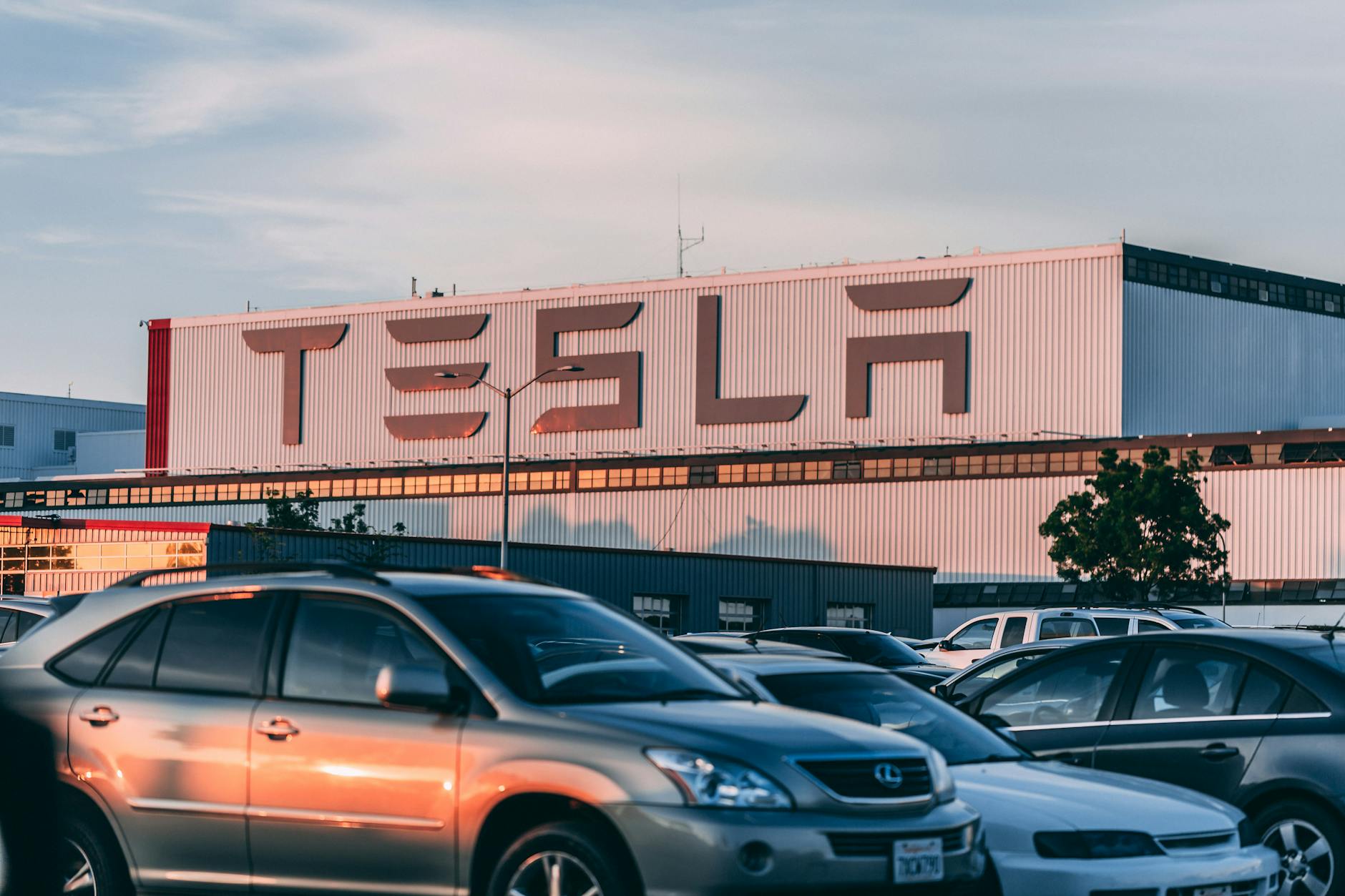
Elon Musk recently showcased the first sample of the Tesla AI5 processor, a chip architecture designed to fundamentally redefine autonomous vehicle compute power. The announcement centers on a claimed 40X performance increase over its direct predecessor, positioning the AI5 as a significant leap toward full-stack, real-time AI processing within the automotive sector. The demonstration, however, included a notable slip-up when Musk thanked TSC rather than the industry-standard TSMC, an incident that immediately drew scrutiny to the chip’s manufacturing origins and the complex geopolitical dependencies inherent in advanced silicon fabrication.
The sheer magnitude of the performance claim suggests a major change, moving the industry beyond incremental improvements. Achieving a 40X boost implies that the AI5 is not merely a faster CPU, but a specialized System-on-a-Chip (SoC) optimized for the massive parallel processing required by deep learning models running at the edge. This level of compute capability is essential for handling the petabytes of data generated by modern sensor suites—Lidar, radar, and high-resolution cameras—in real time, moving autonomous driving from supervised assistance to genuine, complex decision-making.
The mix-up regarding the fabrication source, while seemingly minor, introduces a layer of complexity that cannot be ignored. In a market where manufacturing capacity is the ultimate bottleneck, the specific foundry responsible for the AI5’s production is a critical piece of information. The discrepancy between the stated source and the industry norm forces analysts to re-evaluate Tesla’s supply chain strategy and its degree of vertical integration into the most sensitive part of the tech stack: advanced semiconductor manufacturing.
The Architecture and Performance Leap of AI5

The Architecture and Performance Leap of AI5
The core narrative surrounding the AI5 revolves around its claimed efficiency and raw computational power. A 40X improvement is not a linear upgrade; it signifies a fundamental architectural overhaul. Previous generations of automotive AI chips often struggled with the power-efficiency trade-off, requiring either massive power draw or significant compromises in processing speed. The AI5, by design, appears to address this constraint through specialized tensor core optimization and dedicated AI accelerators.
The performance boost is likely derived from the chip’s ability to handle vastly more complex neural network models simultaneously. Instead of merely running pre-trained models, the AI5 is engineered for on-the-fly, adaptive learning and inference directly within the vehicle. This capability allows the system to process novel, unforeseen scenarios—such as unpredictable pedestrian behavior or unusual weather conditions—with a level of robustness previously considered prohibitively expensive or computationally intensive.
Furthermore, the architecture suggests a move toward greater chip specialization. While general-purpose GPUs have dominated AI compute for years, the AI5 appears designed to be a highly tailored solution for the specific data types and operational parameters of autonomous driving. This specialization allows for higher throughput per watt, a critical metric for any chip intended for vehicle integration, where thermal management and power consumption are severely constrained by physical space and battery limitations.

Geopolitical Implications of the Fabrication Source
The accidental mention of TSC instead of TSMC is more than a minor slip of the tongue; it is a flashpoint for discussions about semiconductor sovereignty and supply chain resilience. TSMC currently holds a near-monopoly on advanced sub-10nm fabrication nodes, making its capacity and geopolitical stability central to global technology planning.
Any deviation from the expected manufacturing source, even if unintentional, forces the market to scrutinize Tesla’s manufacturing strategy. The ability to source cutting-edge chips from alternative, or less established, foundries signals either a radical diversification effort or a strategic attempt to bypass current geopolitical choke points. For a company that has historically demonstrated a willingness to challenge established industry norms, this ambiguity is a calculated risk that could pay dividends in supply chain stability.
The semiconductor industry operates on extreme lead times and specialized tooling. Changing a fabrication source for a cutting-edge chip like the AI5 is not a simple procurement swap; it requires years of process validation and massive capital investment. Therefore, the focus immediately shifts from if the chip can be built to how and where it can be built reliably, particularly given the current global tensions surrounding advanced chip manufacturing.
Reshaping the Automotive AI Compute Landscape
The introduction of the AI5 fundamentally alters the competitive landscape for automotive compute. For years, the industry has seen a race to incrementally improve processing power, often leading to bloated, power-hungry systems. Tesla’s claims suggest a maturation point has been reached, where the focus shifts from raw power to optimized, real-time intelligence.
Competitors, including established automotive suppliers and tech giants, must now rapidly reassess their own roadmaps. The 40X performance claim sets a new, aggressive benchmark that existing architectures will struggle to meet without significant redesigns. This forces the entire ecosystem—from sensor manufacturers to in-vehicle software providers—to align with a higher standard of compute capability.
Moreover, the AI5 accelerates the timeline for Level 4 and Level 5 autonomy. These levels require the vehicle to operate safely and reliably in all conditions, making the processing leap necessary for the AI5 a key enabler. The chip’s performance is directly correlated with the vehicle’s operational domain, meaning the market is now betting heavily on the AI5’s ability to handle the messy, unpredictable reality of public roads.