Overview
Supermicro co-founder Wally Liaw has formally pleaded not guilty to charges related to the alleged smuggling of billions of dollars worth of advanced Nvidia servers to China. The development follows Liaw’s release on a $5 million bond, signaling the commencement of a high-profile legal battle that touches upon the core of global AI supply chains and US export controls. The charges center on the movement of high-end computing hardware, specifically components critical to training large language models (LLMs).
The case highlights the extreme geopolitical tensions surrounding advanced semiconductor technology. Nvidia’s high-performance GPUs, which power the current AI boom, are subject to increasingly stringent US export regulations aimed at limiting access to Chinese markets. The alleged scheme, if proven, involves circumventing these restrictions by moving massive quantities of compute power across borders.
Liaw’s initial plea sets the stage for a complex legal proceeding that will scrutinize the mechanisms used by global tech firms to navigate the conflict between market demand and national security policy. The outcome will have immediate repercussions for semiconductor manufacturing, AI development timelines, and the global flow of capital into the tech sector.
The Mechanics of AI Export Controls
The Mechanics of AI Export Controls
The charges against Liaw are rooted in the complex web of US export controls designed to restrict the transfer of advanced technology to certain foreign entities. These regulations are not merely bureaucratic hurdles; they represent a strategic effort to manage technological decoupling between major economic powers.
Semiconductors, particularly those designed for deep learning and AI workloads, are now considered dual-use technology—meaning they have both civilian and military applications. The specific GPUs involved in the alleged smuggling are among the most powerful chips available, capable of running the massive computational models that underpin modern generative AI. The sheer value and strategic importance of this hardware make its movement a primary focus for regulatory bodies.
The legal case suggests a sophisticated operation designed to bypass established channels. Smuggling billions of dollars of hardware implies a massive logistical undertaking, requiring deep knowledge of international shipping, customs procedures, and the specific technical specifications of the components being moved. The focus remains on whether the alleged actions constituted a deliberate violation of US law or a failure of compliance within a rapidly evolving regulatory environment.
Supermicro’s Role in Global AI Infrastructure
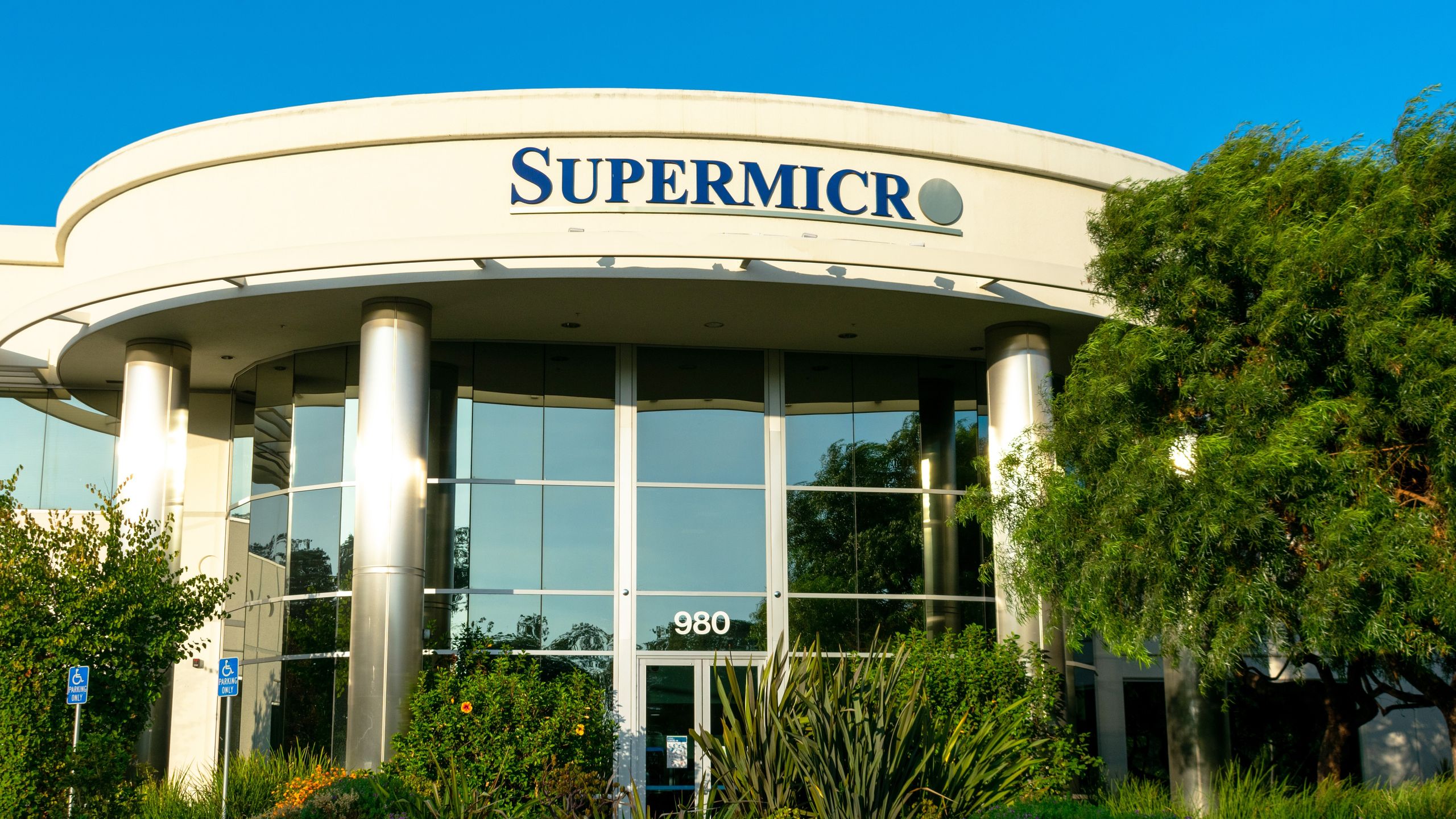
Supermicro, a major player in the server and data center market, is intrinsically linked to the global buildout of AI infrastructure. The company specializes in high-density computing solutions, making its executives and operations central figures in the discussion surrounding AI hardware flow.
The involvement of a co-founder of Supermicro underscores that the alleged violations are not isolated incidents but potentially systemic issues within the supply chain. Data centers worldwide, from cloud providers to specialized AI labs, require massive quantities of compute power, leading to an unprecedented demand for components like Nvidia’s flagship GPUs.
This demand has created a bottleneck, forcing both governments and private companies to adopt increasingly restrictive measures. The charges against Liaw force a spotlight onto the accountability structure within these massive tech supply chains. It raises questions about due diligence, corporate compliance, and the ethical boundaries of maximizing profit in a geopolitically charged market.
Geopolitical Stakes and the Future of AI Hardware
The underlying conflict in this case is fundamentally geopolitical. The US government’s actions are designed to curb China’s access to the most advanced compute power, which Washington views as a critical component of future military and economic parity.
The plea and subsequent release on bond inject a layer of legal uncertainty into an already volatile market. If the charges are upheld, the implications could mandate a complete restructuring of how high-end AI hardware is sold and distributed globally. This could accelerate the development of localized, non-US-dependent chip ecosystems.
Conversely, if the legal process reveals significant loopholes or challenges the current enforcement mechanisms, it could signal a period of increased market fluidity. Regardless of the final verdict, the case serves as a stark warning about the risks associated with attempting to circumvent national trade restrictions in the AI sector. The market is now operating under the assumption of heightened regulatory risk.