Overview
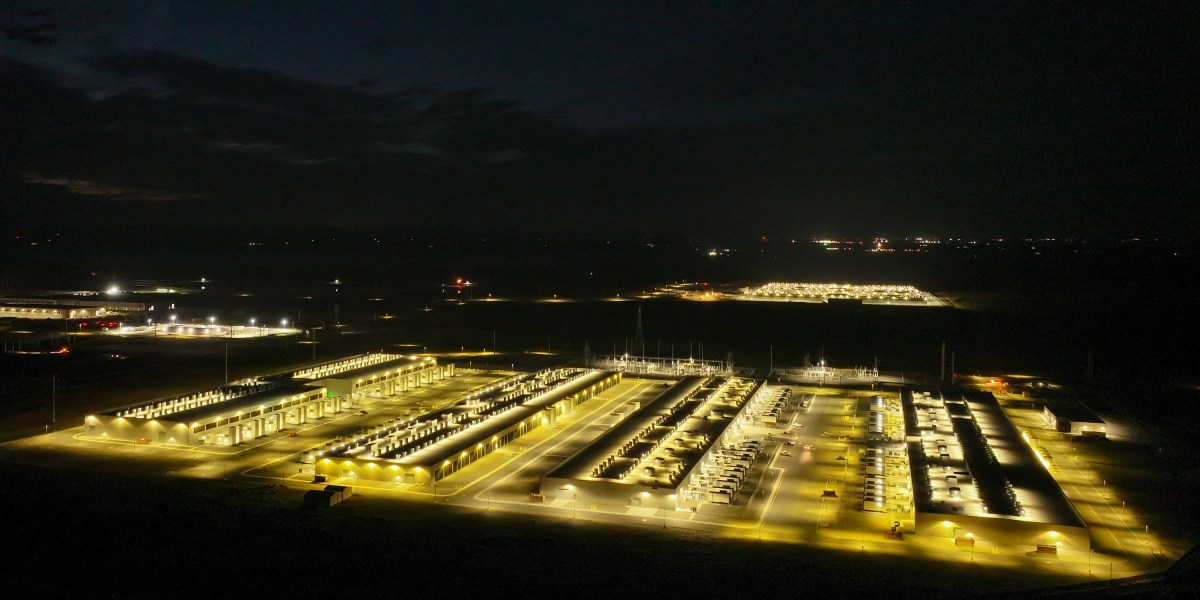
AI and high-performance computing workloads are straining terrestrial data center capacity, power grids, cooling systems, and physical space are all approaching limits. Placing compute infrastructure in orbit would bypass those constraints, but the engineering challenges are enormous.
The idea is moving from pure speculation to serious analysis. The advantages of space, abundant cooling, no land constraints, and freedom from geopolitical disruption, are real. The barriers, launch costs, maintenance, latency, and radiation hardening, are equally real. What has changed is that the demand for compute is growing fast enough to make the tradeoffs worth evaluating.
Shielding and Survivability in the Vacuum
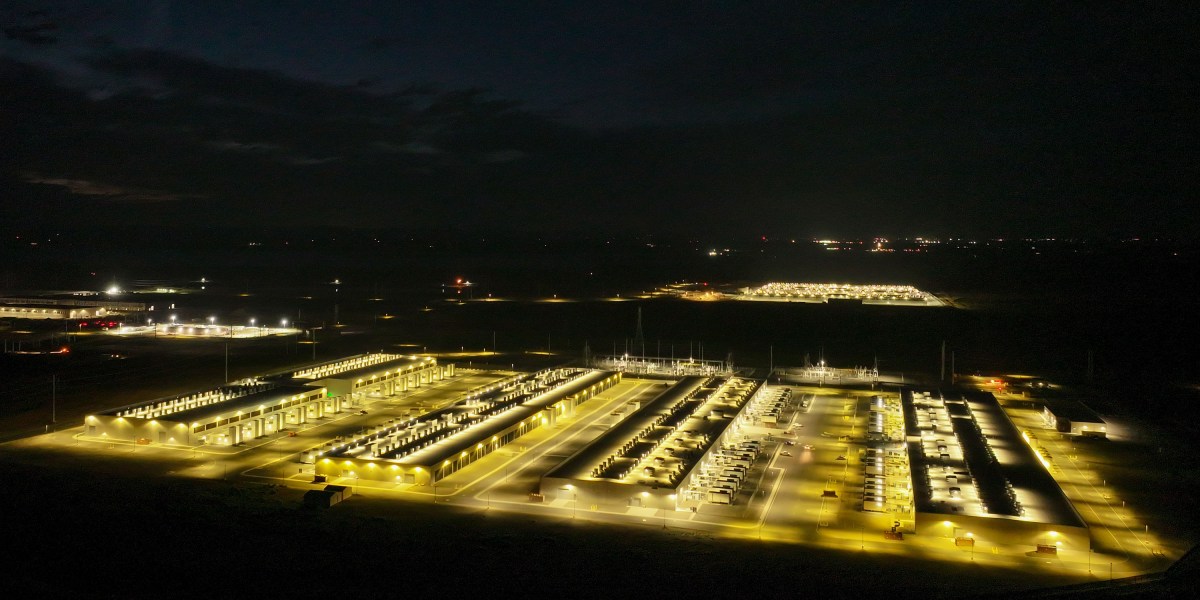
Shielding and Survivability in the Vacuum
The most immediate hurdle for any space-based technology is survivability. Unlike the controlled environment of a terrestrial facility, orbital data centers face extreme conditions, most notably high levels of radiation and thermal cycling. Standard silicon and cooling systems designed for Earth's atmosphere are insufficient.
Data centers in space would require robust, multi-layered radiation shielding to protect sensitive electronics and memory chips from cosmic rays and solar flares. This shielding adds significant mass and complexity, directly impacting launch costs and orbital stability. Furthermore, the thermal management systems must operate without the aid of atmospheric convection. Instead, they would rely on highly efficient, closed-loop liquid cooling coupled with advanced radiator systems designed to dump waste heat directly into the vacuum of space.
The power source itself is a major factor in survivability. While solar arrays are the obvious choice, they must be paired with advanced energy storage solutions—likely next-generation solid-state batteries or even small-scale fusion reactors—to ensure continuous operation regardless of orbital position or solar activity. The sheer power density required to run modern AI accelerators, such as those used in large language models, demands an unprecedented energy solution that goes far beyond current commercial satellite power.
Powering the Payload: Energy and Logistics
The energy requirement is arguably the single greatest bottleneck. Modern AI processing clusters consume staggering amounts of power. To replicate the computational density of a major terrestrial hyperscaler in orbit, the power generation capacity must be monumental.
Current proposals often center on massive, deployable solar arrays, but the energy storage and transmission efficiency across the vacuum remain highly speculative. A viable system would need to be self-contained, minimizing the reliance on constant resupply missions. This suggests a move toward modular, scalable power generation units that can be launched, deployed, and integrated like building blocks.
Logistically, the cost of launching even a small payload into orbit is prohibitive. The economic model for space data centers must therefore account for extremely high initial capital expenditure (CapEx), which necessitates a projected operational lifespan long enough to amortize the launch costs. This points toward a service model—treating the orbital data center not as a one-time asset, but as a continuously utilized, subscription-based computational utility.
Orbital Mechanics and Interoperability
Beyond the hardware, the operational framework for space data centers introduces complex orbital mechanics challenges. The facility must maintain a stable, predictable orbit while simultaneously managing the physical connections to ground stations and user endpoints.
The concept of "interoperability" must be redefined. A space data center cannot simply plug into an existing fiber optic backbone. It requires dedicated, high-bandwidth laser communication links (Free-Space Optical Communication, or FSO) to transmit massive data streams back to Earth. These laser links must be resilient to atmospheric interference and capable of maintaining precise pointing accuracy over vast distances.
Furthermore, the data center must be designed for dynamic positioning. If the computational load shifts or if maintenance is required, the entire facility must be capable of orbital adjustments. This requires integrating sophisticated propulsion systems, moving the data center from a static satellite payload to a semi-autonomous, maneuvering platform. This level of engineering sophistication elevates the project from a simple satellite deployment to a complex, orbital industrial complex.