Overview
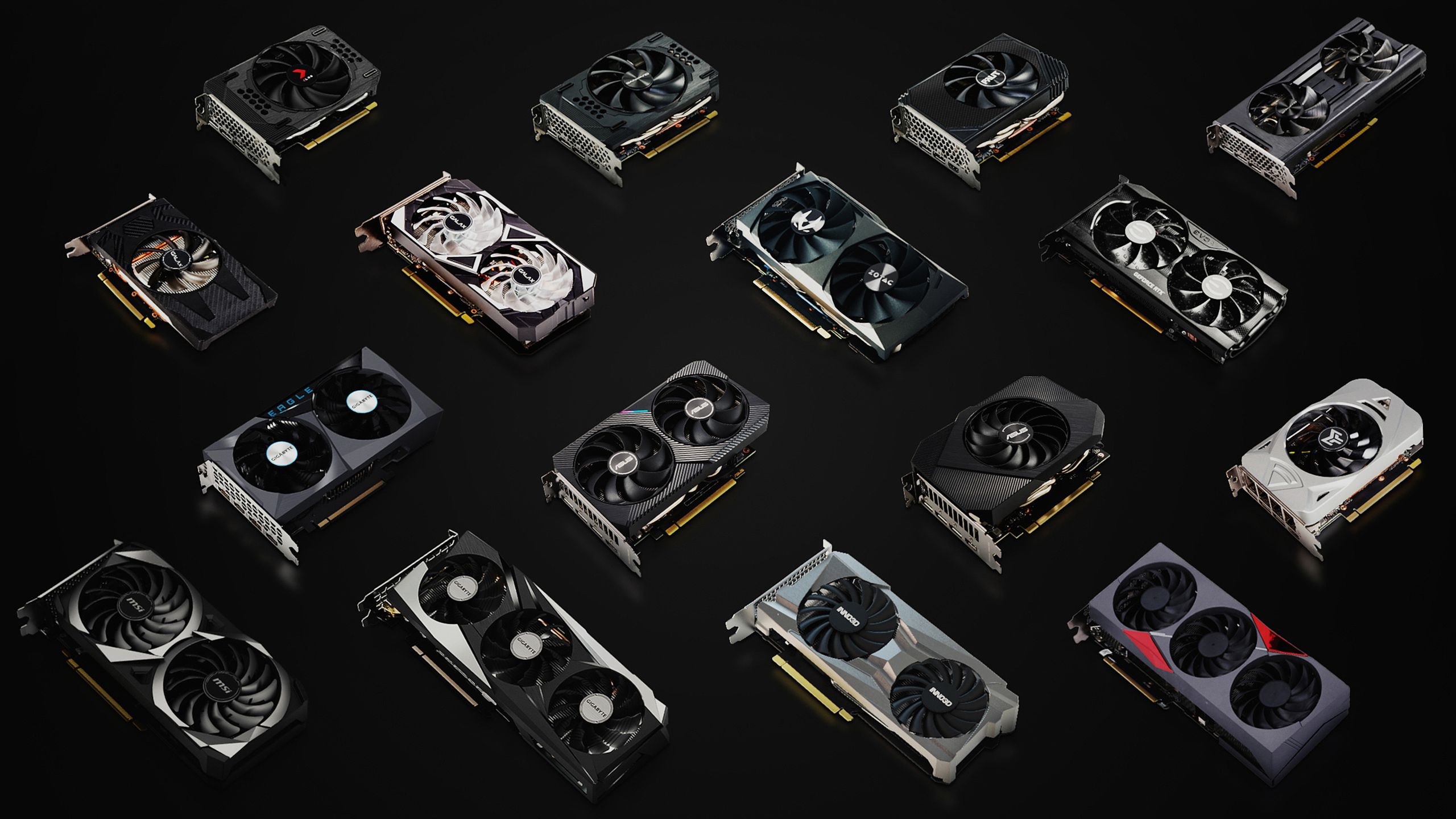
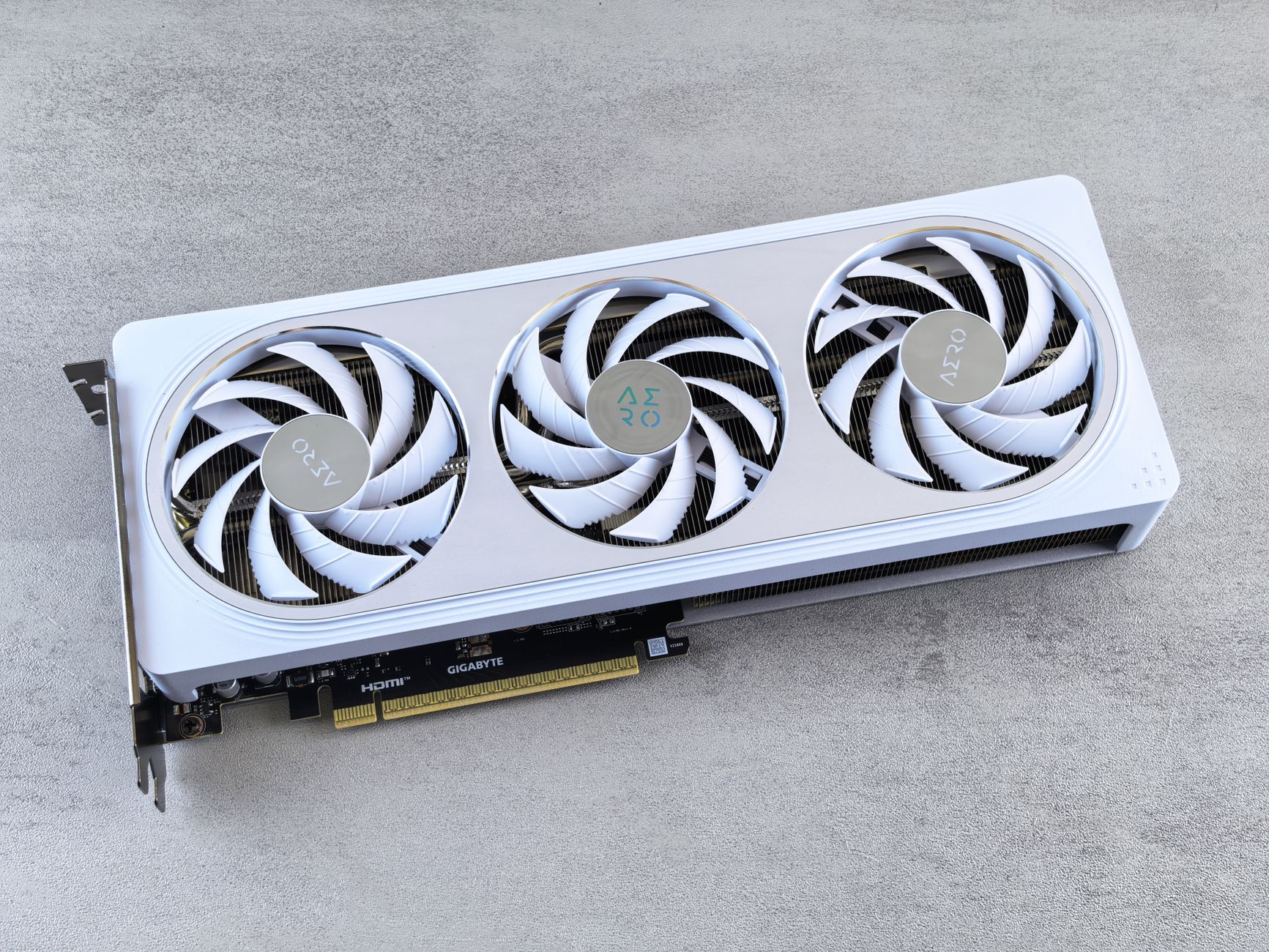
The acquisition of substantial GPU clusters by a major footwear corporation represents a significant, and highly unexpected, signal of industrial tech adoption. This move deviates sharply from traditional retail spending, positioning the company not merely as a consumer goods seller, but as a computational infrastructure player. The sheer scale of the GPU purchases suggests an immediate, large-scale computational need far exceeding standard e-commerce optimization or inventory management.
Industry analysts are already questioning the core business logic behind the pivot. Historically, hardware investment of this magnitude—buying directly into the compute layer—is reserved for specialized AI labs, drug discovery firms, or advanced data centers. For a brand whose primary output is physical goods, the jump into high-density AI processing implies that the company views its future value chain through a lens of pure data and algorithmic efficiency.
This shift suggests that the company’s next growth vector is not predicated on expanding physical retail footprints or optimizing supply chain logistics alone. Instead, the focus appears to be on developing proprietary, compute-intensive models that underpin the entire product lifecycle, from design conceptualization to personalized consumer experience.
The Compute Necessity: Why GPUs Are the New Retail Asset

The Compute Necessity: Why GPUs Are the New Retail Asset
The decision to acquire GPUs, rather than simply contracting cloud compute time, speaks to a desire for deep control over the hardware stack. Cloud services, while scalable, introduce latency and variable pricing models that can complicate the training of highly specialized, proprietary models. By owning the compute, the company gains predictable access to the necessary processing power, which is critical for running large language models (LLMs) and complex generative AI pipelines locally.
The immediate application of this compute power likely centers on advanced design iteration. Traditional footwear design relies heavily on CAD modeling and physical prototyping, a slow and expensive process. With dedicated GPU clusters, the company can now model thousands of material combinations, structural stress points, and ergonomic variations in a fraction of the time. This accelerates the product development cycle from months to potentially weeks, drastically lowering the barrier to market entry for novel designs.
Furthermore, the hardware allows for the development of sophisticated digital twins of the physical product. These models can simulate how different materials will age, how they will react to various environmental stressors (like moisture or temperature fluctuations), and how they will perform under specific athletic loads. This level of pre-market digital validation minimizes costly physical sampling and reduces waste, transforming the design process from an art-driven gamble into a data-optimized engineering challenge.

AI’s Role in Hyper-Personalization and Market Prediction
The most visible implication of the GPU investment is the pivot toward hyper-personalized consumer interaction. The goal is moving beyond simple recommendation engines—which merely suggest "items you might like"—to building predictive models that anticipate needs and desires before the consumer is fully aware of them.
This requires processing vast, disparate datasets: not just purchase history, but social media sentiment, local weather patterns, real-time athletic performance data (if the user opts in), and even geopolitical trends that might impact material sourcing or consumer spending habits. The GPU clusters provide the necessary horsepower to train models that can correlate these disparate data points into actionable insights.
For instance, instead of simply recommending a running shoe, the AI could predict that a specific customer, based on their recent elevated heart rate variability data and local marathon training schedules, requires a shoe with a specific energy return coefficient and lateral stability profile—a level of specificity that current retail technology cannot match. This transforms the brand from a mere retailer into a predictive wellness partner, fundamentally altering the customer relationship.
The Broader Industrial Shift: From Retail to Data Utility
This move transcends the boundaries of the fashion industry; it serves as a microcosm of the broader industrial shift toward AI-native operations. The shoe company is effectively treating its entire operational existence—design, sourcing, marketing, and sales—as a complex data problem to be solved computationally.
The GPU acquisition signals a strategic understanding that the greatest competitive advantage in the next decade will not be superior physical product design, but superior data processing capability. The company is building an internal data utility. The ability to process, model, and act upon proprietary data streams—be they gait analysis, material failure rates, or localized demand spikes—becomes more valuable than the physical inventory itself.
This sets a new benchmark for non-tech industries. It pressures competitors, forcing them to rapidly assess their own data maturity. Companies that fail to adopt similar compute-intensive, AI-driven models risk being relegated to the status of legacy players, unable to match the speed, personalization, or efficiency of their digitally transformed rivals.