Overview
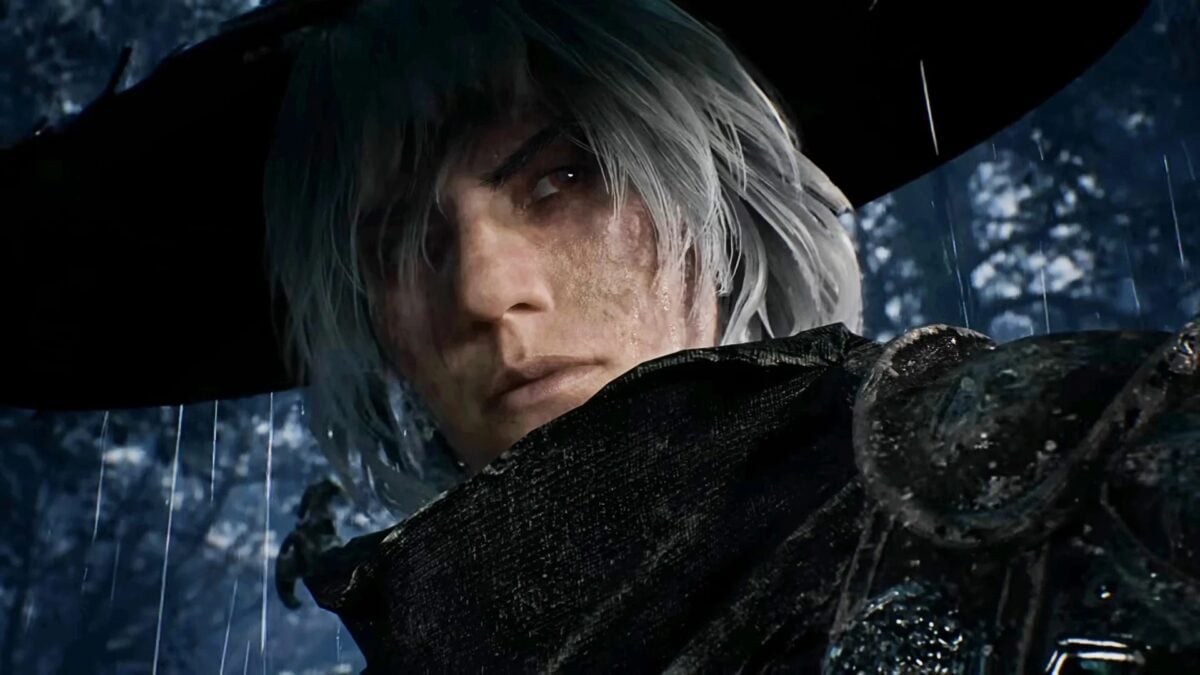
S-Game Studio, the developer behind the action-RPG Phantom Blade Zero, issued a definitive statement rejecting the use of generative AI technologies. This move comes amid significant industry backlash following the announcement and subsequent mockery of Nvidia’s DLSS 5 upscaling tech, which was widely criticized for generating uncanny, often exaggerated visual artifacts—dubbed "slopface"—on non-player characters. The studio asserted that its commitment to human artistry outweighs any perceived technological advantage, stating that every piece of content in the game was crafted by actual artists.
The declaration was a pointed pivot away from the mainstream tech hype cycle. While Phantom Blade Zero was listed in a blog post as a title slated to support the advanced DLSS 5 feature, the developers made it clear that the game’s core identity would remain rooted in human craftsmanship. This stance positions the title not merely as a competitor in the grimdark action genre, but as a philosophical statement on the value of labor in a rapidly automating creative landscape.
The studio detailed specific elements of the game's development process to substantiate this claim. These details include character models derived from 3D scans of the cast, meticulously recorded voice acting in both Chinese and English, and even weapon replicas that were forged by real-world blacksmiths. These tangible, labor-intensive processes serve as a direct counter-narrative to the perceived ease and algorithmic nature of AI-generated assets, establishing a high bar for authenticity in modern game development.
The Value Proposition of Human Craftsmanship
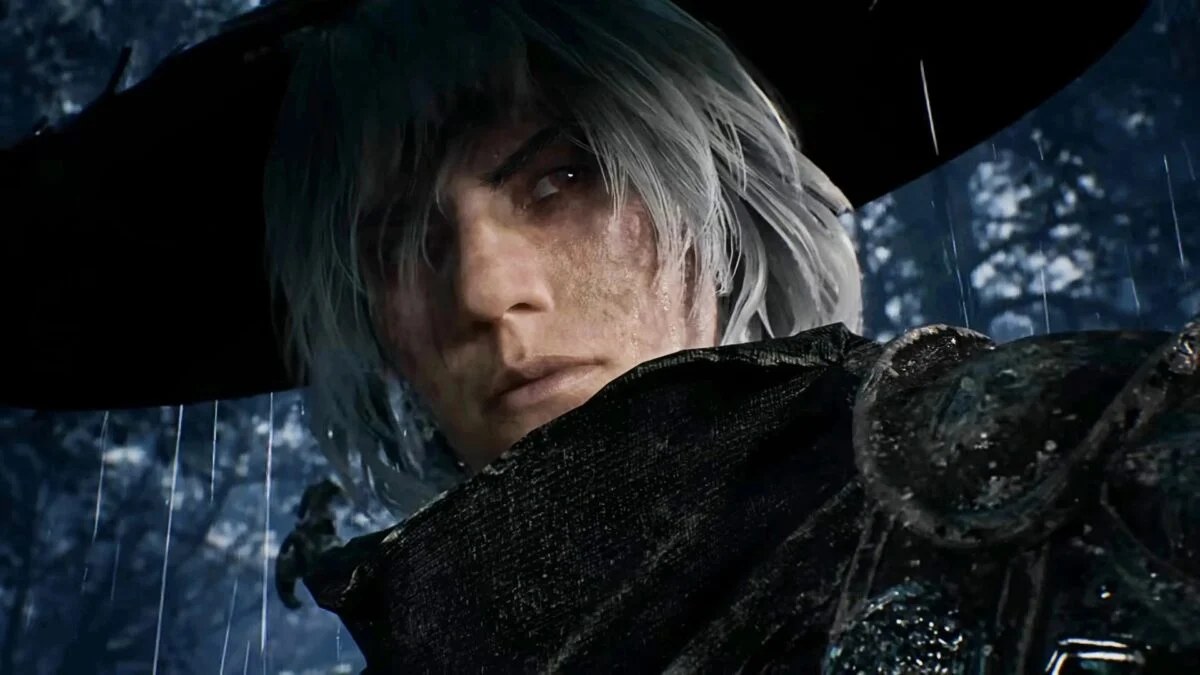
The Value Proposition of Human Craftsmanship
The decision to bypass advanced generative AI tools is more than a mere technical preference; it represents a calculated economic and artistic positioning. By emphasizing the physical labor involved in the game’s creation—from the scanning of character anatomy to the forging of bespoke weapons—S-Game Studio is establishing a clear value proposition. The message is that human artistry is not merely a means to an end, but the primary commodity.
In an industry increasingly reliant on rapid iteration and machine learning pipelines, the commitment to manual processes introduces friction, which paradoxically becomes a unique selling point. The development team framed this commitment as a form of quality control against the inherent unpredictability of AI. Where generative models can produce volume quickly, they risk compromising the "original creative intent" of the artists. This concern speaks to a fundamental tension in the tech sector: the trade-off between scale and soul.
Furthermore, the focus on "authentic kung fu techniques" and traditional swordplay grounds the game in a specific, highly curated cultural aesthetic. This specificity suggests that the developers are not simply aiming for a generic "Souls-like" experience; they are aiming for a bespoke, tactile martial arts simulation. This level of detail requires human expertise to translate into gameplay mechanics, ensuring that the combat feels grounded and intentional rather than procedurally generated.
Navigating the DLSS 5 Controversy
The timing of the statement cannot be overstated. The public backlash against DLSS 5, particularly the mockery surrounding the visual fidelity of AI-enhanced NPCs, provided the perfect catalyst for S-Game Studio’s declaration. The widespread ridicule of the tech—specifically the "yassified slopface" phenomenon—highlighted a perceived gap between technological capability and aesthetic quality.
The industry has often treated upscaling and AI enhancements as automatic improvements, assuming that higher computational power equates to better art. The DLSS 5 debacle served as a public correction, demonstrating that raw technological horsepower does not guarantee artistic success. By rejecting the technology outright, Phantom Blade Zero is effectively insulating itself from the hype cycle and the associated critical failure points.
This rejection is a strategic move that speaks directly to the anxieties of both the developer and the consumer. Developers are wary of being associated with technology that might fail spectacularly in the public eye. Consumers, meanwhile, are becoming increasingly sophisticated, recognizing the difference between a genuine artistic achievement and a polished algorithmic facsimile. The studio’s statement functions as a preemptive defense, allowing them to control the narrative surrounding the game's visual quality and mechanical depth.
The Future of Labor in AAA Gaming
The stance taken by Phantom Blade Zero sets a potentially significant precedent for the AAA gaming sector. As AI tools become more accessible and powerful—capable of generating everything from complex textures to entire character concept sheets—the line between "assisted" and "generated" content will continue to blur.
The developers are implicitly arguing that the value of a game lies not in the tools used to build it, but in the intent and skill of the people who wield those tools. This argument challenges the prevailing economic model that often prioritizes speed and efficiency over the painstaking, iterative process of human refinement.
For other studios facing similar pressures, the Phantom Blade Zero model suggests a path of differentiation. Instead of merely integrating the latest tech—be it advanced ray tracing or next-gen upscaling—they could instead emphasize the unique, non-scalable human elements of their production. This could manifest as deeper lore built through extensive historical research, or combat systems designed around complex, physically modeled martial arts, rather than simply optimized for graphical output.