
Overview
Mark Rosewater, a principal architect of some of Magic: The Gathering’s most complex and successful expansions, has finally revealed a personal side project that has been in development for nearly three decades. The game, titled Mood Swings, is set to debut exclusively through the Magic: The Gathering Secret Lair store, marking a significant moment for both the designer and the broader collectible card game space. Rosewater, who has spent his career leading design teams for MTG, has always maintained a focus on expanding the multiverse, but Mood Swings represents a deliberate pivot toward accessibility.
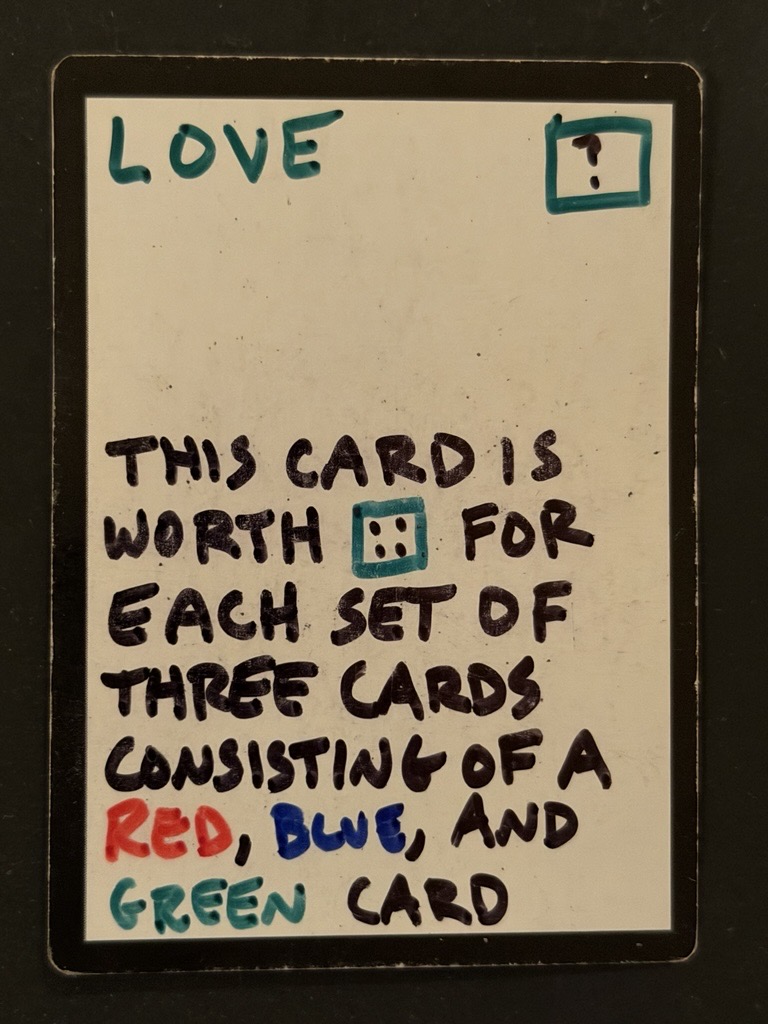
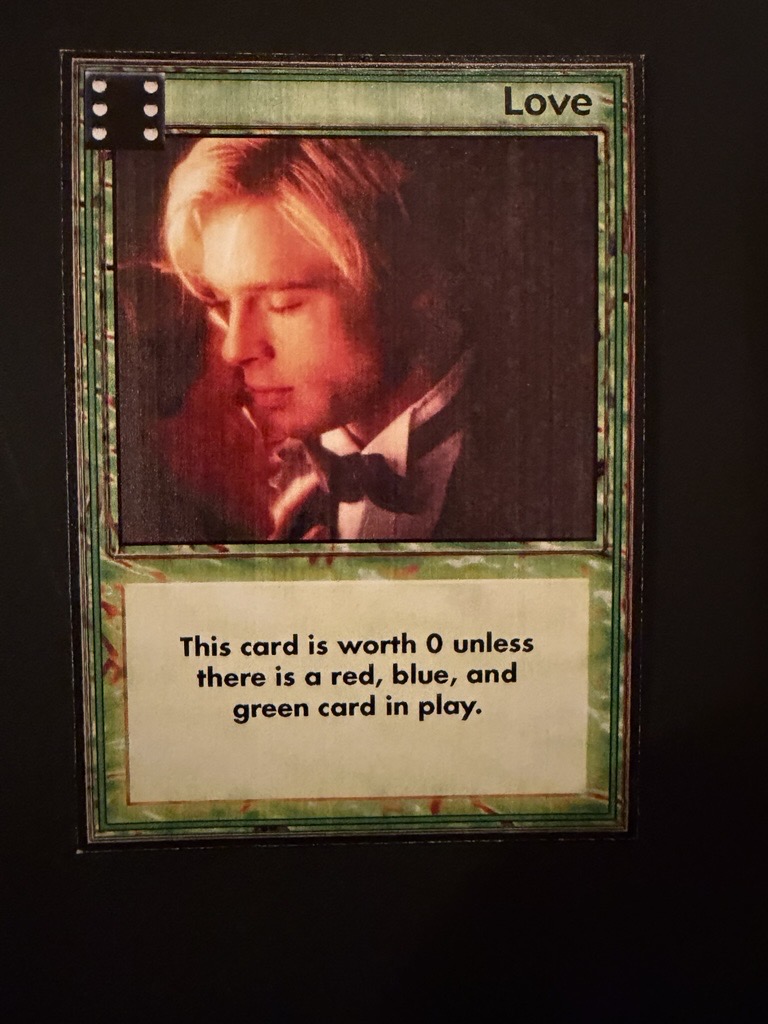
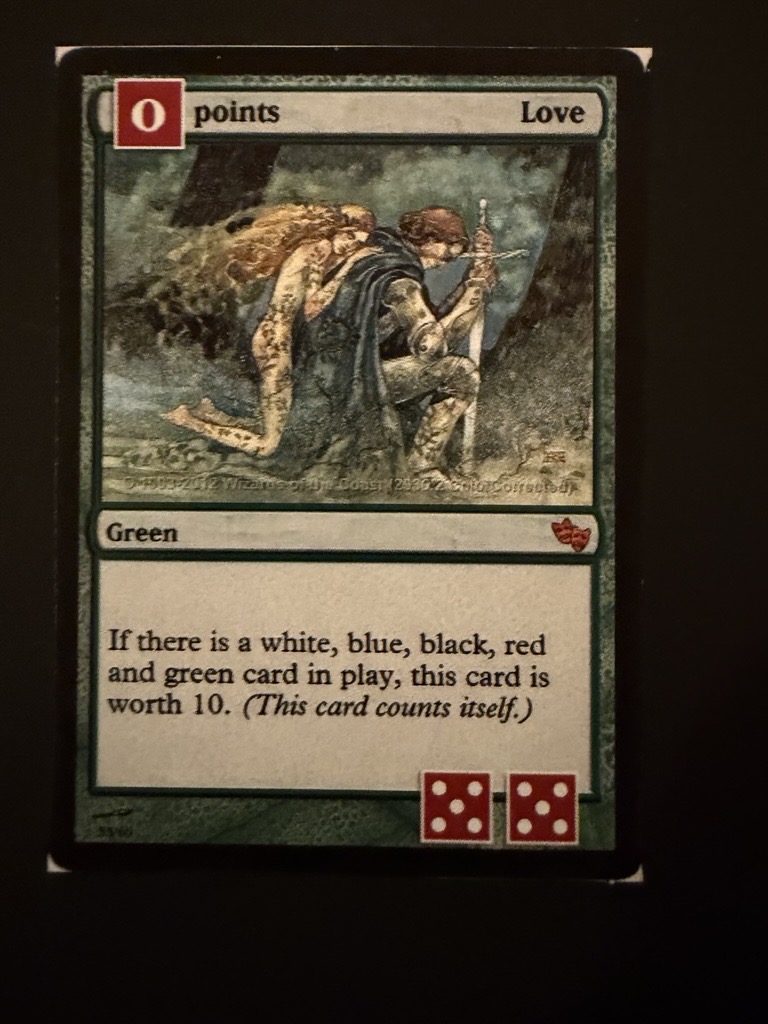
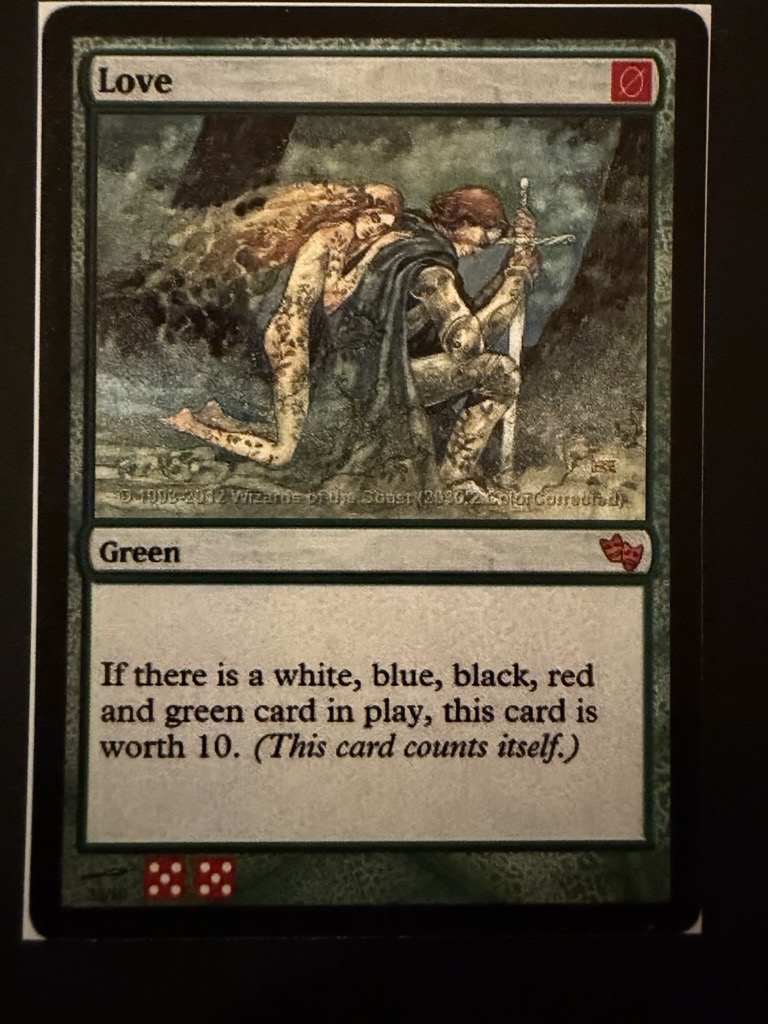
The core concept of Mood Swings is presented as a direct response to the perceived complexity of established TCGs. While the official ruleset is built around a single 45-card deck, the full launch suite will feature over 100 unique cards. The gameplay mechanics are designed around emotional states, with each card bearing a name corresponding to a mood, such as Patience, Hostility, or Cheer, and carrying associated power and point values.
The game is structured for two to four players, requiring each participant to play one mood card per turn. The round concludes after all powers have resolved, and the objective is to accumulate the highest total point value on the board. The first player to secure three successful rounds wins the overall match. This structure suggests a highly focused, resource-management experience that contrasts sharply with the deep, multi-faceted systems found in the flagship MTG titles.
The Design Philosophy: Simplifying Complexity
The Design Philosophy: Simplifying Complexity
The most notable element of Mood Swings is the explicit attempt to streamline the TCG experience. Rosewater has stated that while Magic is an incredible game, its depth can sometimes be overwhelming. Mood Swings is positioned as his personal effort to create a more approachable alternative. This focus on simplicity is a critical angle for industry observers, as it shows a growing fatigue within the player base regarding the sheer mechanical weight of modern TCGs.
The mechanics revolve around the idea of emotional resonance, where the "mood" dictates the card's function. By limiting the core interaction to playing a single mood per turn and resolving powers for points, the game appears to distill the essence of card battling down to a more immediate, visceral contest. It moves away from complex resource curves, multi-turn board states, and esoteric card interactions, favoring a clear, round-based scoring system.
This shift in design philosophy suggests a market recognition that while high-fantasy, deep-system games like MTG maintain a dedicated following, there is a significant appetite for more casual, emotionally driven, and mechanically light card games. Mood Swings is an attempt to capture that gap, creating a product that feels familiar to MTG veterans but operates with the streamlined simplicity of a party game.

Steam Deck LCD
Portable PC gaming baseline for Steam Deck and verified-game stories
Affiliate links. We may earn a commission at no extra cost to you.
The Industry Implications: Legacy and Nostalgia
Beyond the gameplay, the reveal carries significant industry weight due to the historical context and the specific visual cues incorporated into the product. The inclusion of a First Edition logo symbol on the official Secret Lair page is a particularly telling detail. This symbol has not been seen from Wizards of the Coast in 24 years, linking the new title to the nostalgic aesthetics of early TCG print runs.
The use of this long-retired branding element suggests that while Mood Swings is a distinct IP, it is being carefully integrated into the broader, established visual language of the Magic brand. This isn't just a standalone project; it is a calculated piece of IP extension. The fact that the first edition will be available on the Secret Lair website on June 1 further solidifies its status as a premium, limited-release collectible, appealing directly to the high-value, dedicated collector segment.
Furthermore, the 28-year development cycle itself is a powerful statement about the dedication of the designer. It suggests that the concept has been refined, iterated, and protected from market pressures for decades, culminating in a release that is both highly anticipated and highly controlled. This longevity elevates the game from a simple side project to a genuine piece of design history within the TCG space.
What It Means
The unveiling of Mood Swings signals a potential strategic diversification for the Magic: The Gathering brand. By launching a mechanically simpler, mood-based game, Wizards of the Coast is testing the waters for a more casual entry point into the TCG ecosystem. This move acknowledges that the core audience for MTG is not monolithic; it includes players who enjoy the complexity but also those who seek a quick, engaging, and emotionally resonant card experience. The success of Mood Swings could pave the way for future, less mechanically demanding titles, broadening the IP's appeal without diluting the core complexity that defines the flagship game.
# Tags Magic: The Gathering, TCG, Card Games, Secret Lair, Mark Rosewater, Gaming, Board Games, Collectible Cards