Overview
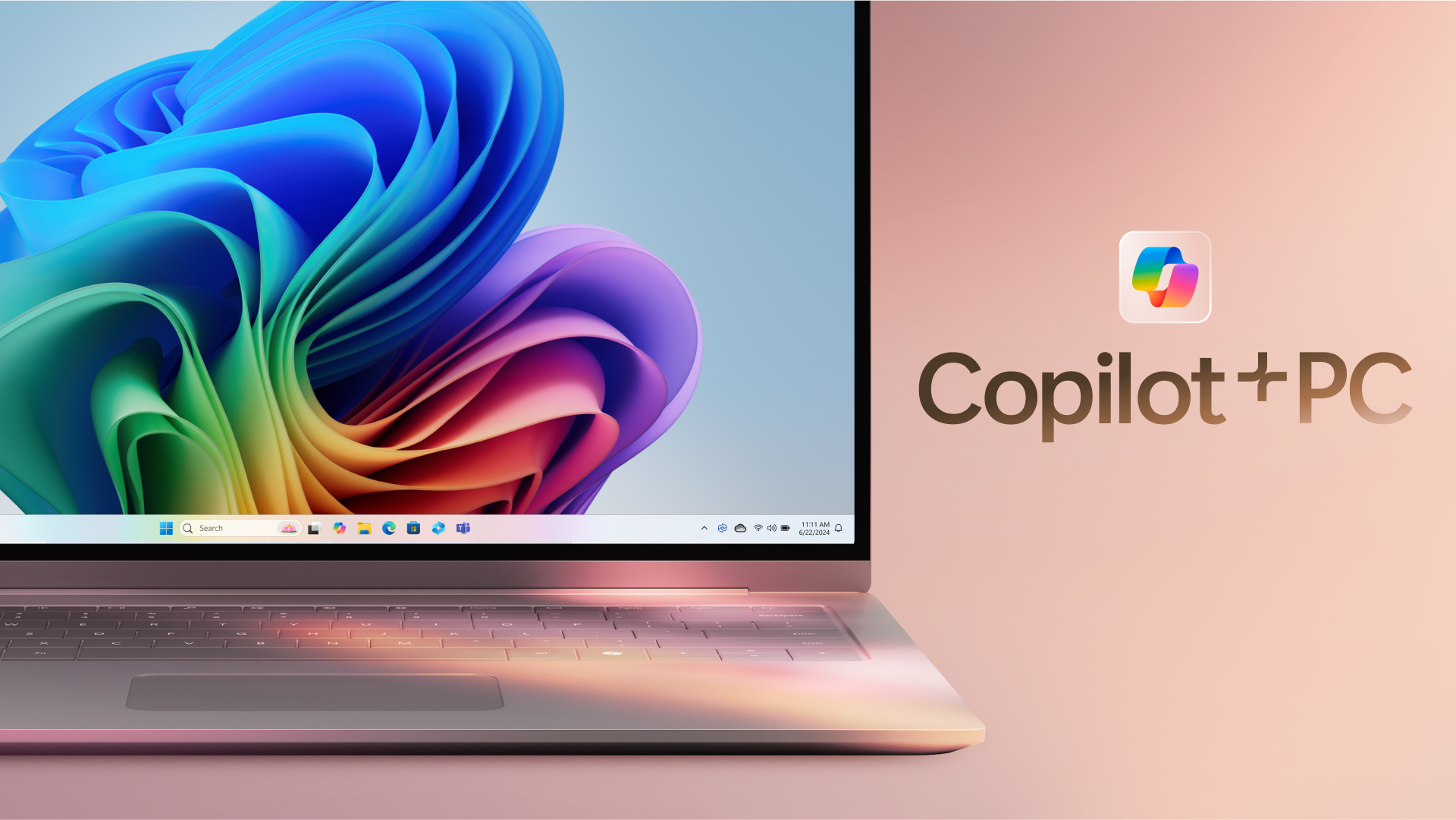
Mozilla recently criticized Microsoft’s integration of Copilot into its ecosystem, arguing that the AI assistance crosses the line from helpful feature to intrusive default setting. The browser developer positioned itself as a defender of user autonomy, suggesting that Microsoft’s approach threatens the core experience of web browsing by making AI assistance feel mandatory rather than optional. This criticism arrives amid a broader industry struggle over who controls the next generation of browser functionality.
The timing of the critique is notable, occurring just as Mozilla reinforced a key point of user control within Firefox itself. The organization confirmed that while Firefox is implementing advanced AI enhancements, users retain the ability to disable these features entirely. This dual messaging—criticizing a major competitor while reassuring users about internal settings—paints a complex picture of the modern browser landscape.
The battleground is no longer simply about speed or compatibility; it is about the architecture of intelligence. As AI models become deeply embedded into operating systems and applications, the ability for users to opt out of data collection and AI-driven suggestions is becoming a critical differentiator between browsers.
The Conflict Over Default AI Integration

The Conflict Over Default AI Integration
The core of Mozilla’s complaint centers on the perceived aggressiveness of Microsoft’s Copilot deployment. The developer argues that embedding powerful, generative AI tools as default features within a major browser suite moves beyond mere utility and encroaches upon the fundamental browsing experience. Such integrations risk creating a "walled garden" effect, where the browser becomes less a window to the open web and more a curated, AI-filtered portal designed to push specific, often paid, services.
Industry observers have noted that the pressure to monetize AI capabilities is driving platform owners to make these features deeply integrated and difficult to bypass. When AI is presented as the primary way to interact with the web—whether through summarization, content generation, or integrated search—the user’s choice is subtly diminished. Mozilla’s stance serves as a public warning against the normalization of mandatory, AI-driven workflows.
This dynamic reflects a wider trend in tech where the line between "enhancement" and "feature creep" is constantly blurred. While AI promises efficiency gains, the implementation details determine whether the user gains control or simply accepts a new set of digital constraints imposed by the platform owner.
Reaffirming User Control in Firefox
In a move that directly counters the narrative of mandatory AI adoption, Mozilla stressed the granular control available within Firefox. The organization confirmed that the new AI enhancements are designed with user choice at the forefront. Users can actively manage which AI features are active and, crucially, can disable them entirely if they prefer a more traditional, unaugmented browsing experience.
This reassurance is a strategic counter-narrative. By emphasizing the ability to opt out, Mozilla attempts to position Firefox not merely as an alternative to Chrome or Edge, but as a sanctuary for digital privacy and user agency. The ability to toggle AI features suggests that the technology is intended to augment, not dictate, the browsing process.
The technical ability to disable these enhancements is a significant point for privacy-conscious users. It suggests that the underlying data processing and AI models are modular, allowing the core browser functionality to remain intact even when the advanced features are deactivated. This commitment to user choice is central to Mozilla’s brand identity and its appeal to users wary of Big Tech overreach.
The Future of Browser Sovereignty
The tension between Mozilla’s critique and its own internal assurances highlights the immense challenge facing the browser industry: how to integrate revolutionary technology like generative AI without sacrificing the core principles of openness and user sovereignty. The market is clearly moving toward AI-assisted browsing, making the fight for user control more critical than ever.
If major players like Microsoft continue to embed AI tools so deeply that they become functionally inseparable from the browser experience, it could create a significant barrier to entry for competitors focused on privacy. Conversely, if Mozilla successfully establishes itself as the bastion of user control, it could solidify its niche as the preferred choice for users who prioritize autonomy over cutting-edge, but potentially invasive, functionality.
The next few years will likely see a bifurcation of the browser market. One segment will embrace deep, AI-first integration, prioritizing convenience and advanced features. The other segment, championed by developers like Mozilla, will emphasize transparency, user control, and the ability to strip away layers of technological complexity when desired.