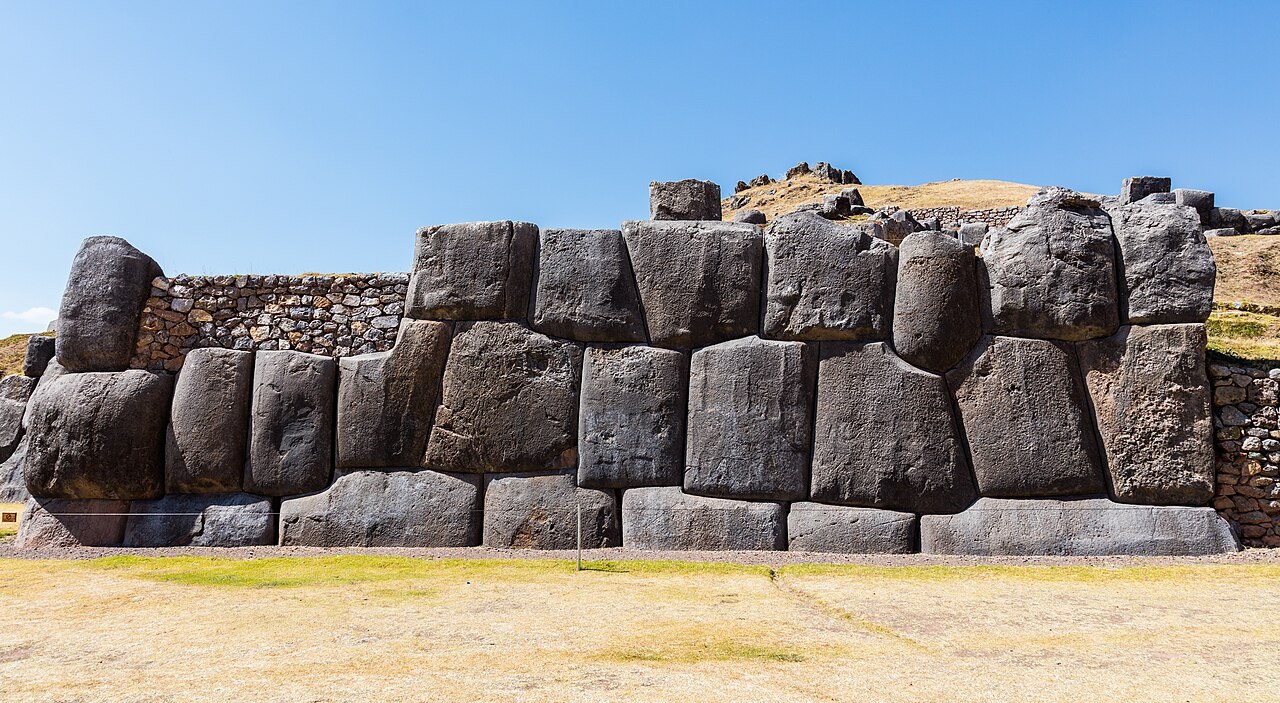
Unraveling the Secrets of Ancient Construction Methods
The standard explanation for sites like Puma Punku and Sacsayhuaman is that ancient builders quarried massive stone blocks, transported them over rough terrain, and fit them together with precision using copper tools and manual labor. It has never been a fully satisfying answer.
A growing body of material science research points to a different method: geopolymer technology. The theory is that Pre-Inca civilizations cast these blocks in place using a chemical process similar to modern concrete, mixingite rock powder with organic binders to create synthetic stone that hardens into shapes indistinguishable from natural rock.
When we look at the megaliths—the massive, precisely fitted stone structures—we are looking at a puzzle of staggering proportions.
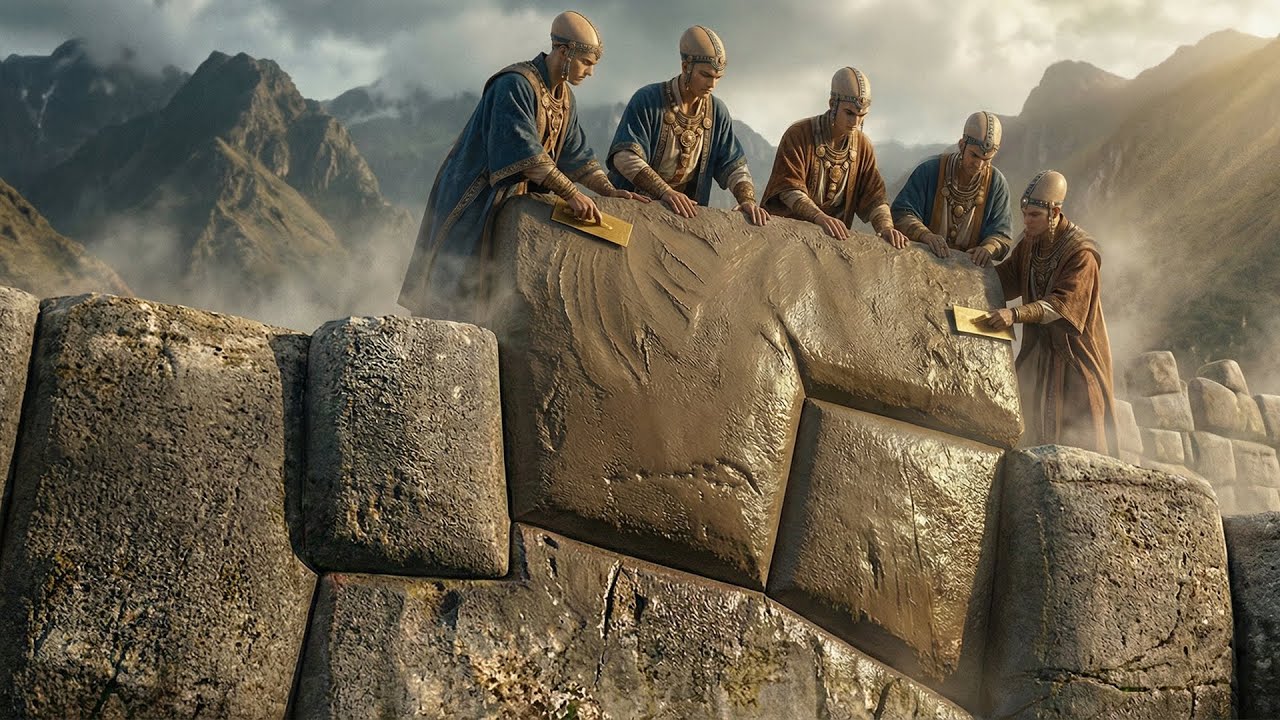
The Engineering Impossibility of the Megaliths
When we look at the megaliths—the massive, precisely fitted stone structures—we are looking at a puzzle of staggering proportions. We aren't talking about stacking large rocks; we are talking about cutting, shaping, and positioning blocks of stone that often weigh dozens, if not hundreds, of tons, with tolerances measured in millimeters.
The challenge isn't just moving the stone; it's the precision.
Sites like Puma Punku are notorious for their perfectly cut, interlocking blocks. These aren't rough-hewn pieces; they are engineered components. The joints are so tight that they require specialized tools—tools that, according to conventional models, simply did not exist in the pre-Inca era.
Geopolymer: The Forgotten Super-Material
So, what exactly is a geopolymer, and why is it the key to unlocking these ancient mysteries?
In simple terms, a geopolymer is a synthetic inorganic polymer. It is a revolutionary bonding agent that can be created by activating aluminosilicate materials (like volcanic ash or certain clays) with an alkaline solution. The resulting material is a binder that hardens into an incredibly strong, durable, and chemically stable solid.
Crucially, geopolymer technology is not limited to modern concrete. It represents a highly sophisticated understanding of chemical reactions and material science.