Overview
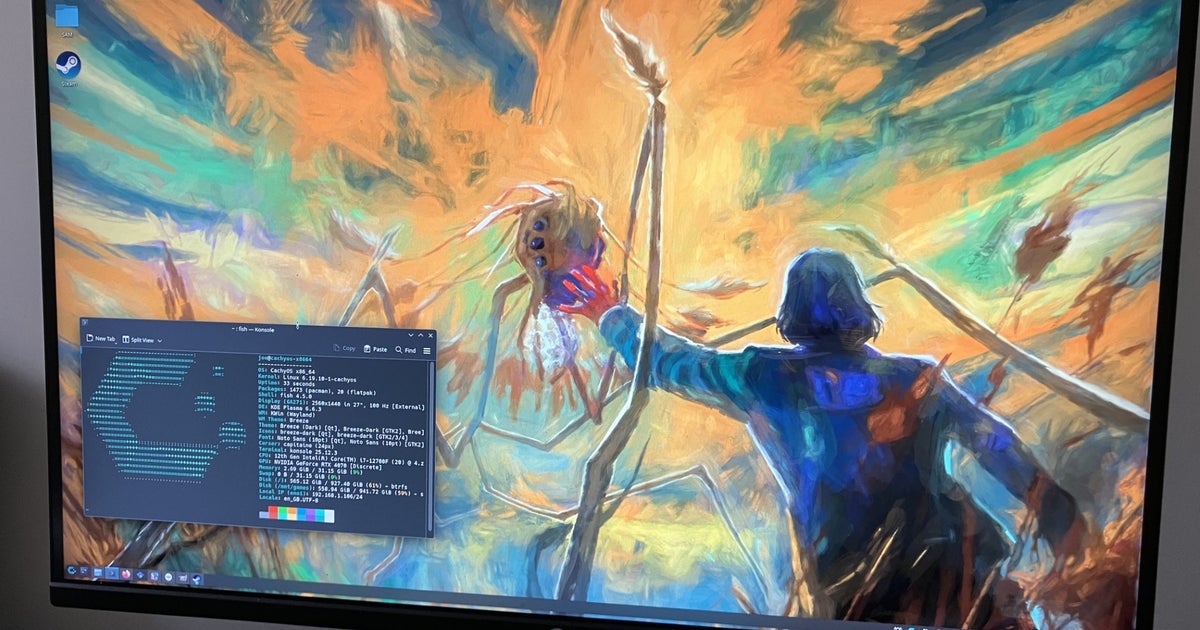
The landscape of PC gaming is undergoing a fundamental shift, moving away from Windows as the undisputed operating system. Linux, once relegated to niche servers and academic computing, has matured into a robust, high-performance platform capable of running modern AAA titles. The advancements in compatibility layers and native support have made the transition from the familiar environment of C: drives to the /mnt/s structure of Linux far more seamless than previous generations suggested.
This evolution is not merely a technical curiosity; it represents a genuine shift in the core architecture of PC gaming. Major industry players and hardware manufacturers are now acknowledging the viability of Linux, treating it not as an alternative, but as a legitimate, first-class gaming OS. The combination of Valve’s Steam Deck efforts, the improvements in Proton, and the general stability of modern Linux distributions has created an ecosystem that is highly compelling to power users and dedicated gamers alike.
For years, the perceived barrier to entry for Linux gaming was the notorious "it just doesn't work" problem. That era is over. Today, the focus is on performance parity and, in some cases, outright superiority. The technical improvements are substantial enough that the argument for Linux as a primary gaming OS is no longer based on promise, but on demonstrable, measurable capability.
Proton and Compatibility Layers Have Reached Maturity
Proton and Compatibility Layers Have Reached Maturity
The single most critical development enabling Linux gaming is the maturation of compatibility layers, most notably Valve’s Proton. Proton is not a simple wrapper; it is a sophisticated translation layer that allows Windows-native games to run efficiently on Linux kernels. Its continuous refinement has dramatically reduced the reliance on workarounds and manual configuration.
Where early versions of Proton struggled with specific DirectX calls or proprietary anti-cheat systems, modern iterations handle complex game engines and high-fidelity graphical demands with impressive fidelity. The ability to run titles that were previously considered "Windows-only" is now routine, often requiring minimal user intervention beyond initial setup. This level of compatibility means that the gaming library available on Linux is expanding exponentially, challenging the historical dominance of the Windows platform.
Furthermore, the underlying Linux kernel itself has seen massive improvements in hardware support. Modern distributions offer out-of-the-box support for cutting-edge GPUs, advanced networking protocols, and peripherals that were previously sources of instability or required complex proprietary drivers. This stability is a core advantage; a gaming session on a well-tuned Linux setup is less likely to be derailed by unexpected OS-level conflicts compared to the historically volatile nature of Windows updates.
The Ecosystem Advantage: Stability and Open Source Control
The appeal of Linux extends far beyond just running games. It offers a superior level of control and stability that is inherently appealing to the power user. Unlike proprietary operating systems that often prioritize telemetry and integration with specific corporate hardware, Linux is fundamentally open source. This architecture allows the community to audit, modify, and improve the core components—including the graphics stack and kernel drivers—at an unprecedented pace.
This open nature translates directly into a more predictable and customizable gaming experience. Users are not locked into a specific vendor's update cycle or feature set. They can select distributions optimized for gaming, manage their own dependencies, and tailor the entire system from the bootloader up. For the technically minded gamer, this level of control is a significant draw, offering a clean, efficient environment free from the bloatware and background services that often plague Windows installations.
Moreover, the rise of the Steam Deck has acted as a massive, real-world proving ground for this entire ecosystem. The Deck proved that a Linux-based, portable gaming experience was not only possible but commercially viable. This market validation spurred massive investment into Proton and the underlying Linux tooling, creating a positive feedback loop that benefits all PC gamers, regardless of whether they are playing on a desktop or a handheld.
Beyond Gaming: A Comprehensive Platform for Creators and Developers
While the focus remains on gaming, the benefits of running a high-performance Linux environment are not confined to AAA titles. The platform’s inherent strengths make it an ideal environment for content creation, development, and general productivity.
For developers, the command-line interface (CLI) and the vast repository of open-source tools are unmatched. Compiling code, managing containers (like Docker), and interacting with backend services are often more streamlined and native on Linux than they are on Windows. This makes the operating system a true "one-stop shop" for the modern digital creator.
For streamers and content producers, the stability of Linux means fewer unexpected crashes during long broadcast sessions. The ability to run multiple, resource-intensive applications—a game, a streaming encoder, and a video editor—simultaneously without significant resource contention is a hallmark of a well-optimized Linux setup. This versatility ensures that the operating system remains relevant to the entire spectrum of digital work, cementing its place as a foundational technology, not just a gaming niche.