Overview
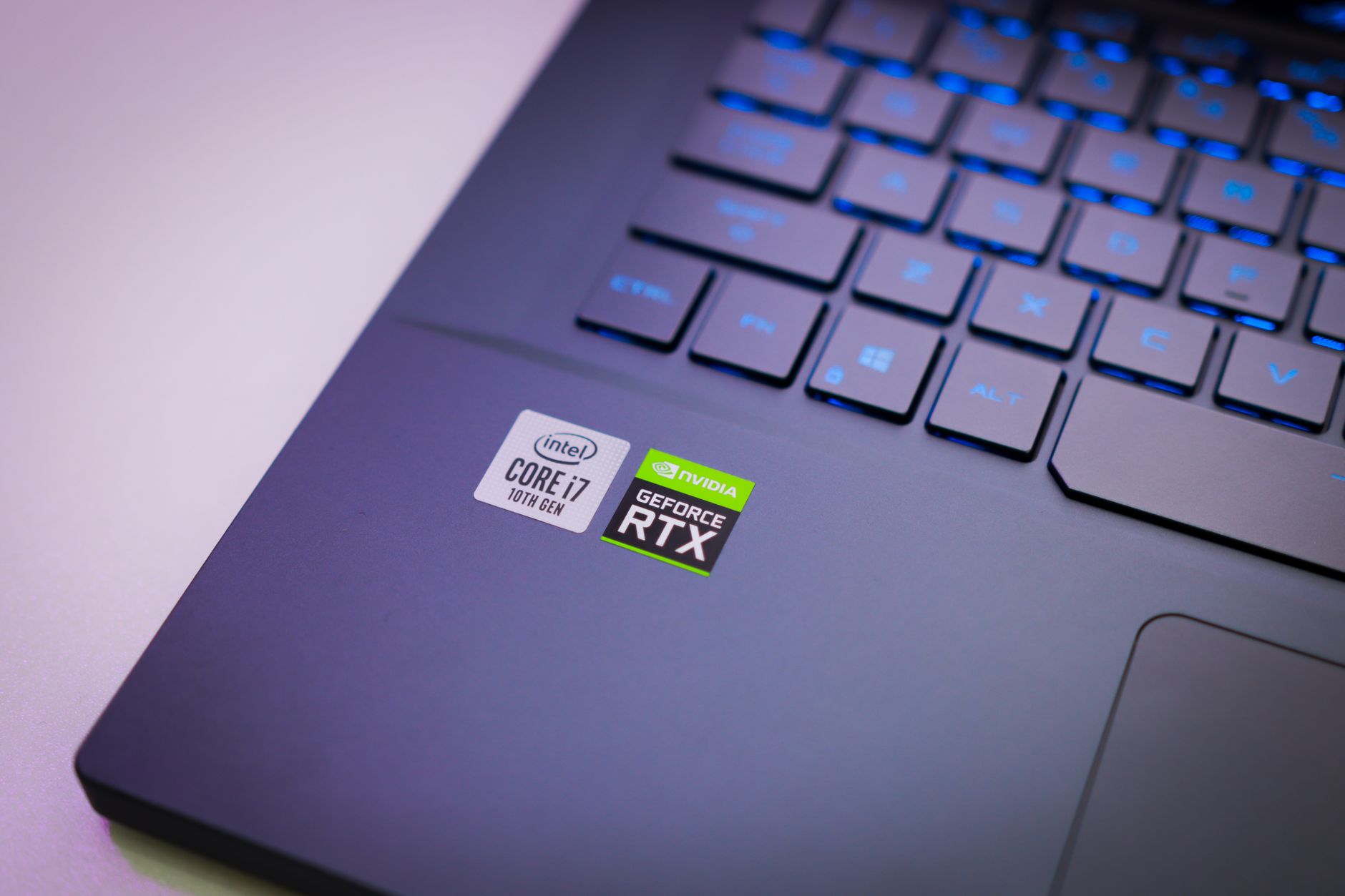
The high-end mobile gaming market just saw a significant disruption with the availability of the Lenovo Legion Pro 7i. This machine packages the powerful RTX 5090 graphics card and a vibrant OLED display into a single unit, priced at $3,199. The most striking element of the deal is the cost structure: the entire laptop package is positioned at a price point that undercuts the standalone cost of a desktop RTX 5090 graphics card by an estimated $800.
This pricing anomaly suggests a major push into making flagship-level performance accessible without the typical premium associated with top-tier mobile workstations. For enthusiasts and professionals needing maximum compute power in a portable chassis, the Legion Pro 7i presents a compelling value proposition that warrants immediate attention.
Unpacking the Mobile Powerhouse Architecture

Unpacking the Mobile Powerhouse Architecture
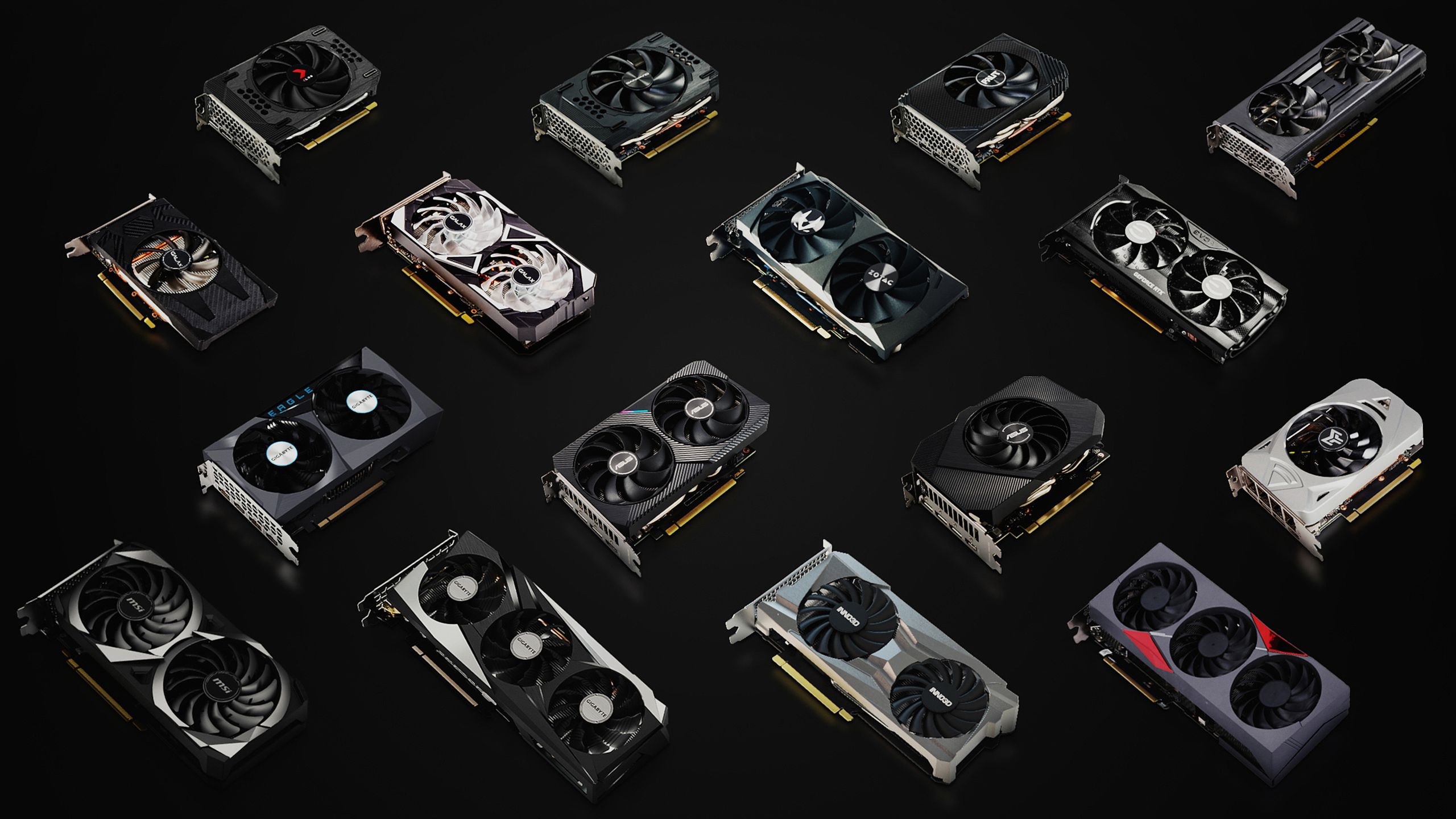
The core appeal of the Legion Pro 7i lies in its ability to deliver desktop-grade performance metrics within a laptop form factor. The inclusion of the RTX 5090 means the machine is equipped with a next-generation GPU designed to handle the most demanding AAA titles and professional rendering workloads.
While desktop GPUs often pull maximum power through robust cooling solutions and massive PSUs, the mobile implementation requires extreme efficiency. The RTX 5090 in this chassis must maintain peak performance while managing thermal output, a feat of engineering that defines the laptop's capability. This level of power density is crucial for users who cannot afford to be tethered to a wall socket.
Furthermore, the pairing of this raw GPU muscle with an OLED screen elevates the machine beyond a simple gaming rig. OLED technology delivers perfect blacks, infinite contrast ratios, and near-instantaneous response times. For content creators, video editors, or even competitive gamers, the visual fidelity provided by the OLED panel is a substantial upgrade over traditional IPS or even mini-LED displays, ensuring that the visual experience matches the computational power.

The Value Proposition: Portability vs. Desktop Power
The financial angle of the deal—saving an estimated $800 compared to the cost of the bare RTX 5090 card—is the primary draw for consumers. Historically, the cost differential between a complete, optimized desktop build and a comparable high-end laptop was substantial, with the premium often covering the perceived loss of raw power or the cost of the chassis itself.
This pricing structure suggests Lenovo is aggressively targeting the segment of users who require maximum performance on the go but are sensitive to the full cost of a dedicated mobile workstation. The laptop is not just a collection of components; it is a fully integrated, optimized system. The inclusion of the OLED screen, the CPU, RAM, cooling system, and chassis design is bundled into a price that forces a re-evaluation of the traditional mobile computing cost model.
For the power user, this means eliminating the compromise between portability and performance. Instead of choosing between a thin, efficient machine that struggles with complex tasks, or a massive desktop replacement that requires constant power management, the Legion Pro 7i aims to occupy the sweet spot. It is a powerful statement that high-end computing doesn't have to be prohibitively expensive or physically demanding.
Implications for the Future of Mobile Workstations
The availability of such a high-spec machine at this price point signals a maturing and potentially disruptive phase in the mobile computing market. As AI and machine learning become integrated into consumer workflows, the demand for powerful, portable compute units only increases.
The RTX 5090 is not merely a gaming card; it is a critical accelerator for AI workloads, deep learning, and complex simulation. By making this level of GPU power accessible in a laptop chassis, Lenovo is positioning the Legion Pro 7i as a viable tool for professionals—from architects running complex CAD models to data scientists training localized AI models—who previously relied on cloud services or desktop setups.
This shift implies that the barrier to entry for professional-grade mobile compute is lowering. Manufacturers are becoming increasingly adept at thermal management and power efficiency, allowing them to pack more performance into smaller, more manageable form factors. The industry is moving away from treating high-performance laptops as niche gaming devices and toward recognizing them as indispensable, primary professional tools.