Overview
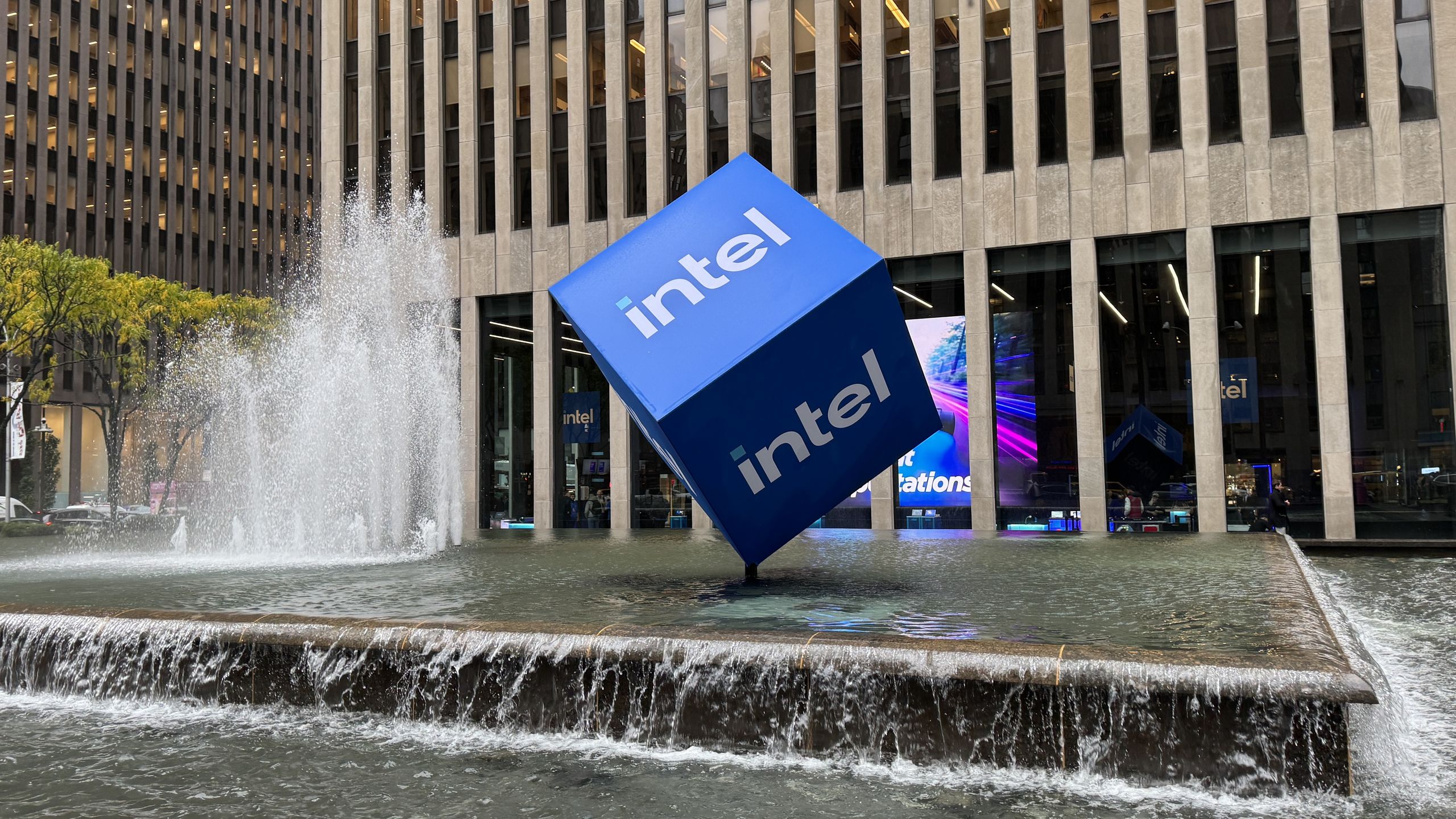
Intel’s market capitalization has surged, topping $300 billion and marking the highest valuation in over two and a half decades. The massive jump reflects a critical shift in investor sentiment, moving the company from a period of structural doubt to one of aggressive, profitable resurgence. This valuation is not merely a cyclical rebound; it is a direct acknowledgment of Intel’s renewed commitment to dominating the high-performance computing landscape through its CPU architecture, advanced AI roadmaps, and, most crucially, its foundry services.
The momentum appears to be fueled by a confluence of factors, including high-profile industry endorsements, such as the rumored tie-in with Musk’s TeraFab initiative. While external partnerships provide immediate validation, the underlying strength lies in Intel's execution of its IDM 2.0 strategy. The company is successfully repositioning itself as a foundational pillar of the next generation of silicon manufacturing, challenging the long-held dominance of external foundry players.
The Validation of the Foundry Model
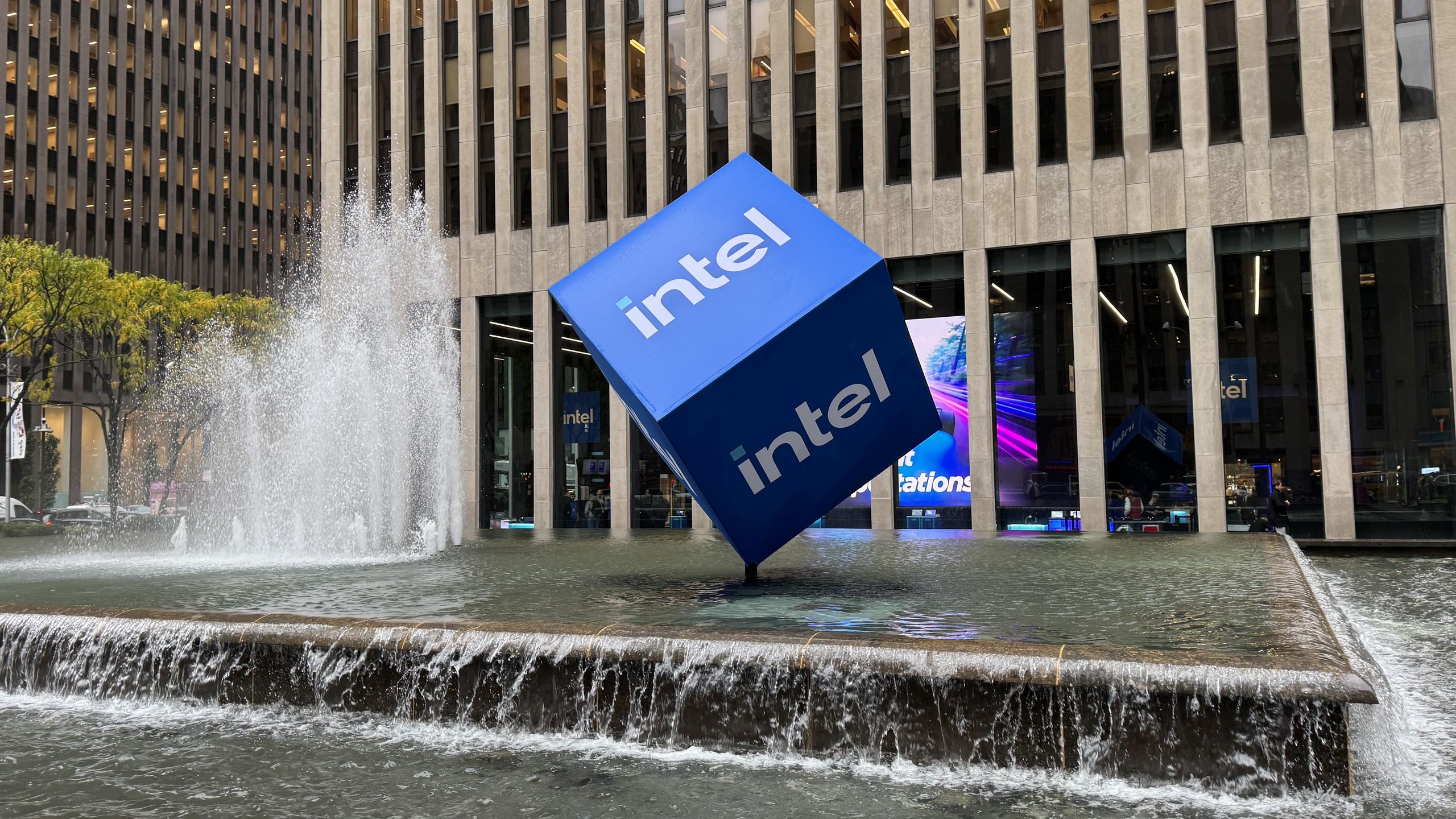
The Validation of the Foundry Model
The most significant pillar supporting the $300 billion valuation is the renewed focus on Intel Foundry Services (IFS). Historically, the semiconductor industry has seen a clear bifurcation between design and manufacturing, with external foundries becoming the industry standard. Intel’s aggressive push to re-establish itself as a leading foundry is a monumental undertaking that requires massive capital expenditure and technological leaps.
The market’s willingness to assign such a premium valuation suggests investors view IFS not as a defensive measure, but as a core, high-growth revenue stream. By offering its advanced process nodes—and potentially leveraging the expertise gained from partnerships like the one with TeraFab—Intel aims to attract chip designers who require reliable, cutting-edge manufacturing capacity. This foundry capability allows Intel to capture value both from its own CPU sales and from third-party clients, diversifying its revenue base far beyond the traditional chip sales model.
AI and CPU Momentum Driving Performance
The second critical driver is the perceived strength of Intel’s CPU and AI portfolio. As AI integration becomes mandatory across enterprise and consumer devices, the demand for specialized, high-throughput processing units accelerates. Intel has systematically invested in optimizing its architectures to handle the unique demands of machine learning and accelerated computing.
The narrative surrounding Intel’s CPUs has shifted from merely competing on clock speed to competing on architectural efficiency and specialized accelerators. The company’s roadmap emphasizes hybrid architectures, combining traditional CPU cores with dedicated AI processing units (NPUs). This approach is crucial because modern AI workloads are rarely handled by a single type of core; they require a cohesive, multi-faceted processing ecosystem.
Furthermore, the market recognizes that Intel's deep integration of its manufacturing process with its design capabilities provides a unique advantage in optimizing these complex, heterogeneous computing stacks. This internal synergy allows for quicker iteration and more efficient power management—factors that are paramount in the increasingly power-constrained AI data center environment.
The Strategic Importance of External Partnerships
The visibility provided by high-profile external endorsements, such as the rumored connection to Musk’s TeraFab project, serves to de-risk Intel’s transition and validate its technological trajectory. These partnerships are more than just marketing boosts; they are crucial indicators of industry confidence.
When major, highly visible players begin to tie their future hardware development to Intel’s capabilities, it provides tangible proof points for the company’s technology stack. Such endorsements signal that Intel’s advanced packaging techniques and process nodes are meeting the stringent demands of the most demanding users in the tech ecosystem.
This validation helps Intel overcome the historical perception of being a lagging competitor. Instead, the narrative is shifting toward Intel as a resilient, vertically integrated powerhouse capable of adapting its manufacturing backbone to meet the hyper-specific needs of the AI era. The ability to secure these large-scale, high-profile deals is essential for sustaining the high capital expenditure required to remain at the forefront of semiconductor technology.