Overview
SEO Title Text-to-XR: How Abra Built the Future of Spatial Computing Before Google (Vision Pro, AR, Desktop Demo)
Meta Description Discover the revolutionary power of Text-to-XR. In this deep dive, we explore how Abra developed a groundbreaking platform that generates immersive, multi-platform spatial experiences—from Apple Vision Pro to Android AR—using nothing but a text prompt.
Featured Image [Thumbnail URL: https://i.ytimg.com/vi/NPQ7hlIktE/hq720.jpg?sqp=-oaymwE2CNAFEJQDSFXyq4qpAygIARUAAIhCGAFwAcABBvABAfgBgmAAtAFigIMCAAQARhIDUoEzAP&rs=AOn4CLDvJzjlrGSvxiTWHy7SBgD2O2h7g]
What Exactly is Text-to-XR? Demystifying Generative Spatial Computing
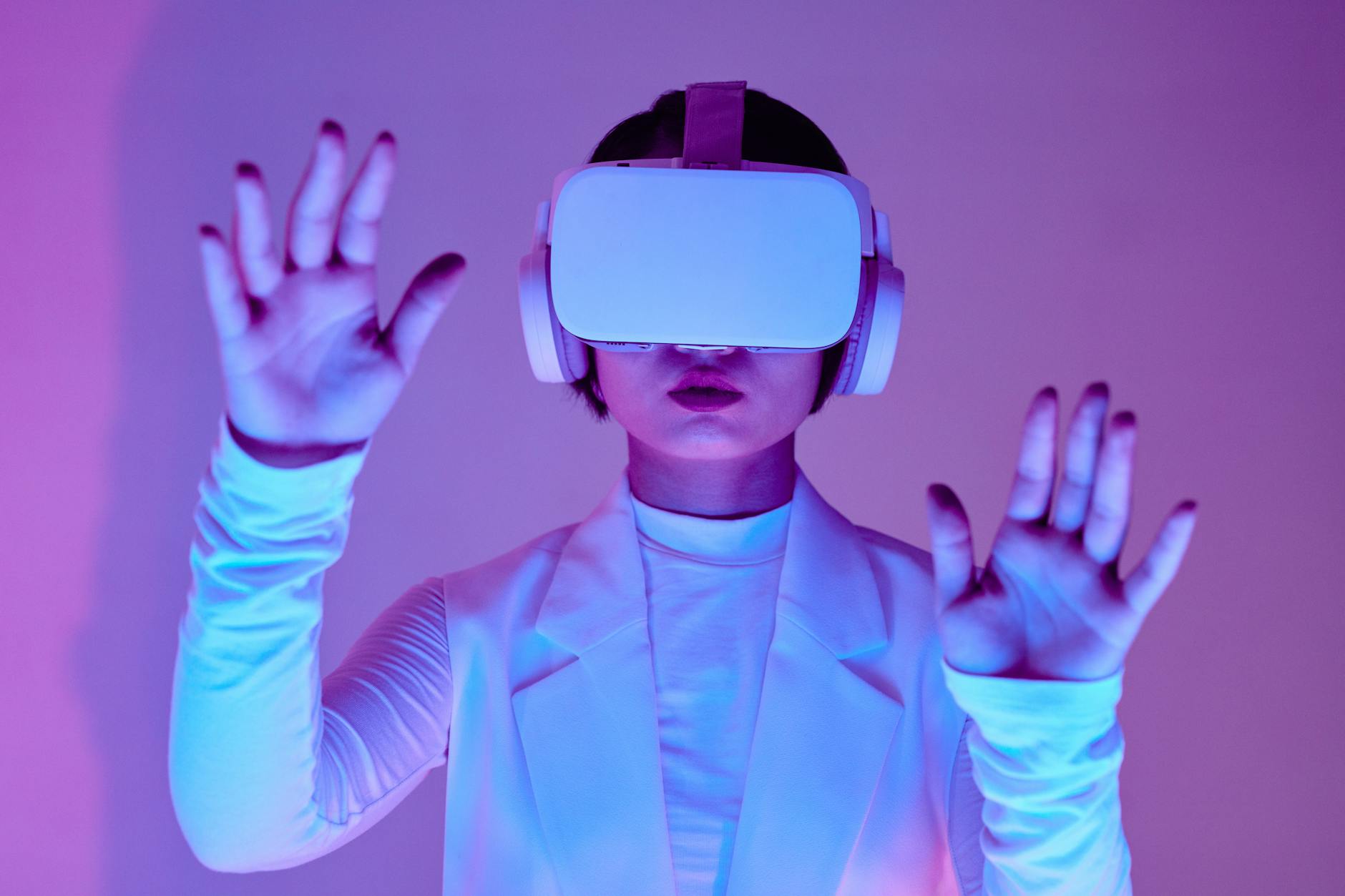
What Exactly is Text-to-XR? Demystifying Generative Spatial Computing
At its core, Text-to-XR is the ultimate convergence of Large Language Models (LLMs) and 3D generative AI. Traditionally, creating an XR experience involves a painstaking, multi-step process: conceptualizing the idea, modeling the assets (characters, environments, objects), rigging the models, writing the interaction logic, and finally, deploying the code for specific operating systems.
Text-to-XR collapses this entire pipeline into a single, intuitive command.
Imagine telling the system: "Create a whimsical, Victorian-era detective solving a mystery in a foggy London street, optimized for a first-person perspective." Instead of needing a team of artists and programmers, the system interprets that prompt and outputs a fully functional, interactive, and visually coherent spatial environment.
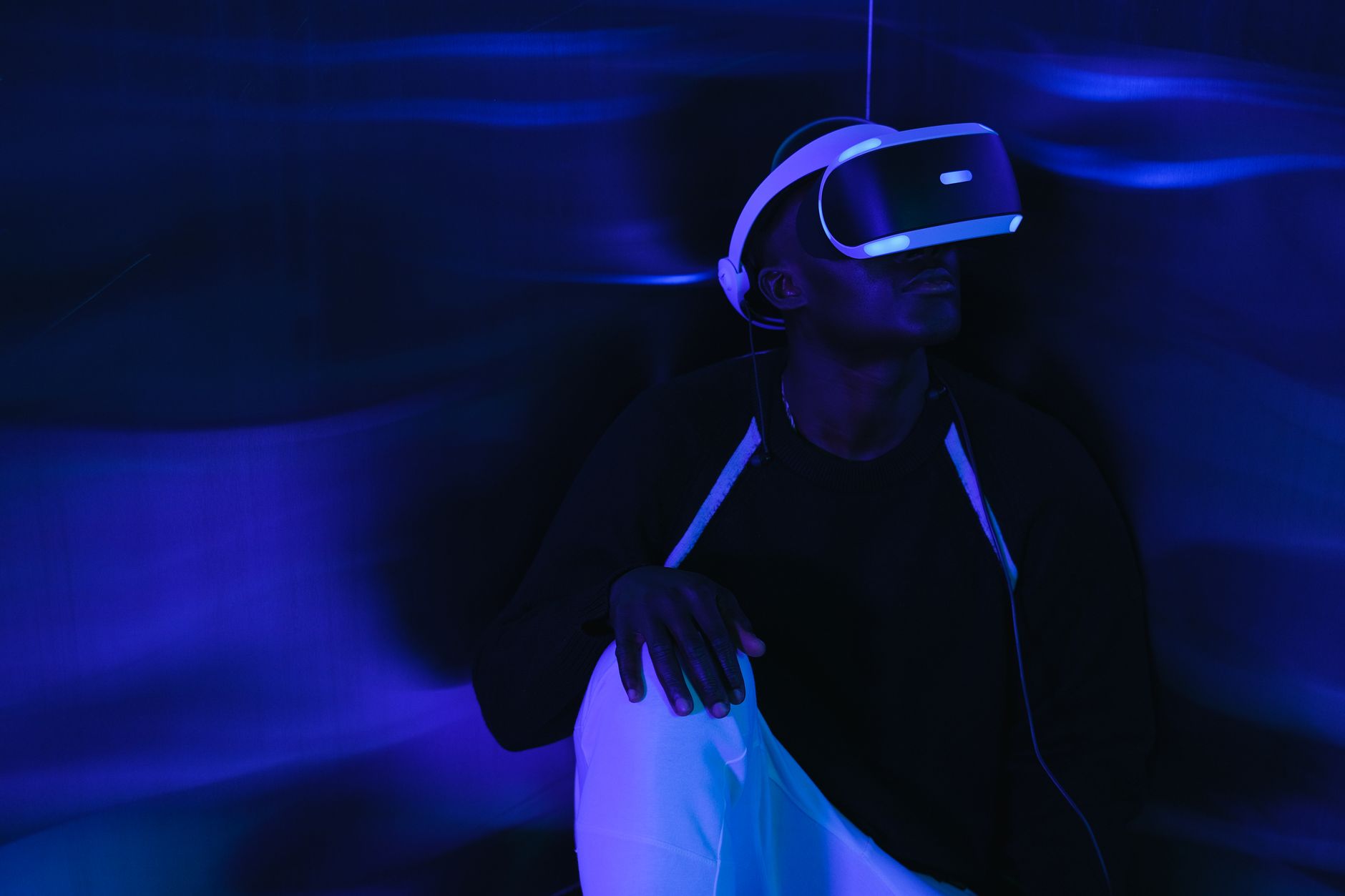
The Multi-Platform Challenge: Why Abra’s Demo is a Technical Feat
The true measure of any revolutionary tech is its versatility. Many early generative AI tools are limited to a single output format or platform. Abra’s platform, however, tackles the most significant headache for modern developers: platform fragmentation.
The modern XR developer must often maintain separate codebases and asset pipelines for at least three distinct environments:
Apple Vision Pro (VisionOS): Requires specific understanding of spatial anchors, depth mapping, and the unique "passthrough" experience. Android AR (ARCore): Requires optimization for mobile processing power and diverse camera inputs. Desktop/Web: Needs to function reliably on traditional monitors and input methods.
Redefining the Developer Workflow: The Future of Creative Industries
The impact of Text-to-XR extends far beyond novelty; it fundamentally restructures the creative economy.
For independent developers, this means the ability to prototype and launch complex ideas in hours, rather than months. It turns the concept artist into the primary creator, while the AI handles the heavy lifting of engineering and asset creation.
For industries like architecture, education, and entertainment, the implications are staggering: