Overview
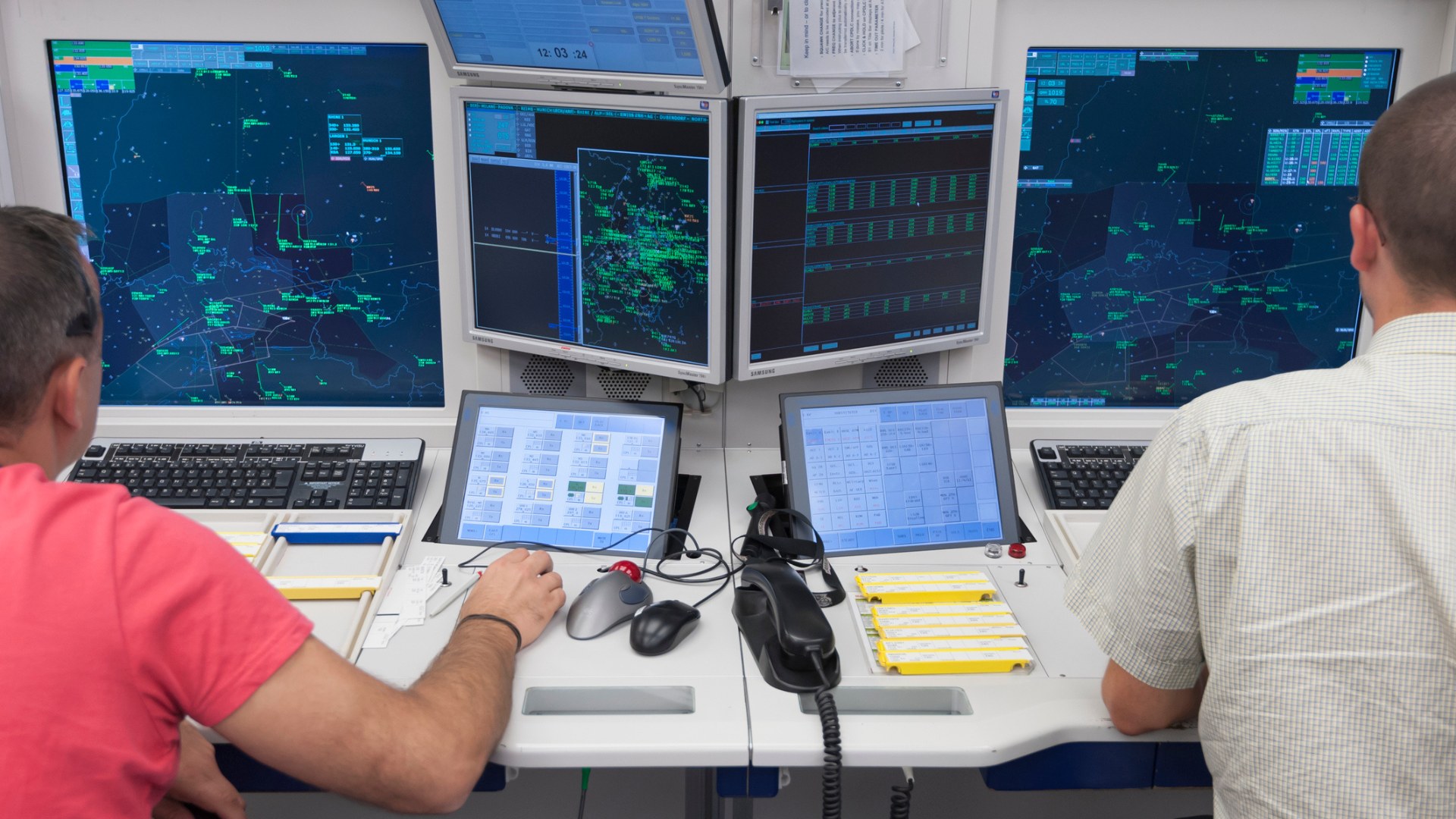
The Federal Aviation Administration (FAA) is tapping into the gaming community, recognizing that the cognitive skills honed in complex video game environments translate directly to critical infrastructure roles. The agency has begun courting gamers for air traffic control (ATC) positions, creating a professional pipeline that promises an average annual salary of $155,000 after three years of specialized training. This development signals a major shift in how high-stakes industries view the value of digital fluency and advanced simulation skills.
The FAA's interest is not merely anecdotal; it is backed by a massive hiring effort, with the agency preparing to vet and onboard approximately 8,000 applicants. This scale indicates a systemic need for personnel who possess specific, quantifiable skills—skills that modern gaming titles are designed to cultivate. The narrative moves beyond viewing gaming as mere entertainment, positioning it instead as a sophisticated training ground for complex operational management.
This trend confirms a growing industrial acceptance of simulation technology (sim-tech) and the proficiency gained through immersive digital experiences. For the tech and gaming sectors, the FAA's initiative serves as a powerful validation point, demonstrating that the cognitive load management, pattern recognition, and rapid decision-making inherent to gaming are highly valuable assets in real-world, safety-critical environments.
The Transferability of High-Level Gaming Skills
The Transferability of High-Level Gaming Skills
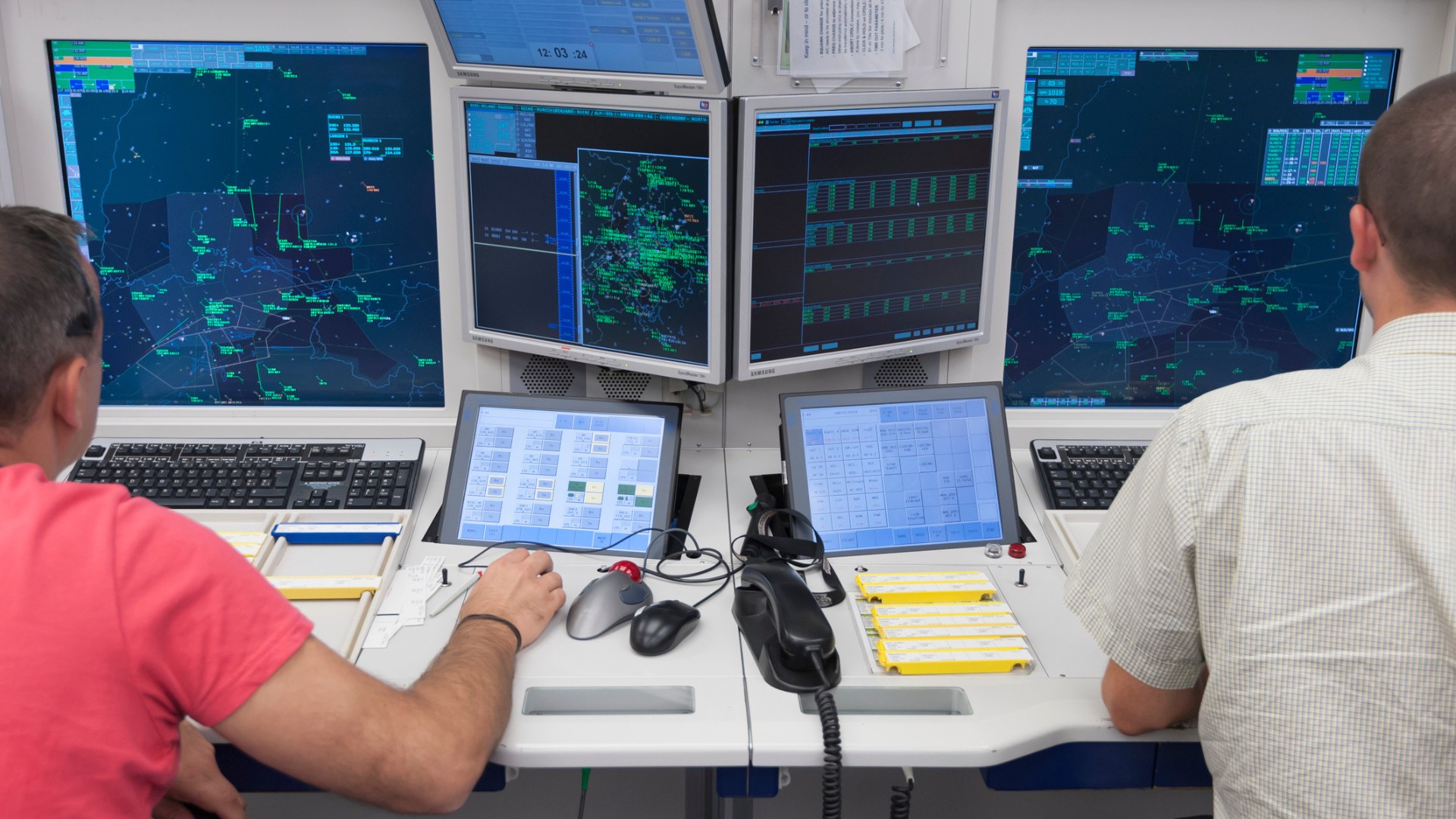
The skills required to operate effectively in modern, complex video games mirror several core competencies needed for air traffic control. ATC is a job defined by managing immense amounts of real-time data, coordinating multiple moving entities, and maintaining composure under extreme pressure. Gamers, particularly those involved in high-fidelity simulation or competitive multiplayer environments, routinely practice these exact skills.
Pattern recognition is perhaps the most obvious transfer. In a game like a flight simulator or a complex strategy title, players must track multiple variables—enemy positions, resource depletion, structural integrity, or air traffic flow—simultaneously. This ability to process vast, overlapping data streams and predict potential failure points is the bedrock of effective ATC. Furthermore, the competitive nature of many games forces players to develop exceptional reaction times and decision-making under duress, skills that are non-negotiable when coordinating aircraft in restricted airspace.
Beyond raw processing power, the FAA is seeking candidates who demonstrate superior cognitive load management. ATC controllers must maintain a high level of focus across multiple tasks without succumbing to fatigue or distraction. Gaming environments, especially those requiring sustained engagement over long periods, train the brain to filter noise, prioritize threats, and maintain procedural adherence—all critical elements of aviation safety protocols. The FAA is essentially recognizing that the modern gamer is not just a consumer of digital content, but a highly trained cognitive operator.
The Rigor of the FAA Selection Process
The fact that the FAA is preparing for 8,000 applicants underscores the sheer volume and seriousness of the opportunity. This is not a simple hiring initiative; it involves a highly structured, multi-stage vetting process that merges traditional aviation requirements with an assessment of digital aptitude. The process is designed to filter for individuals who can transition from the abstract world of virtual reality to the literal, life-or-death stakes of the real airspace.
The curriculum and training modules are expected to be incredibly demanding, requiring candidates to master not only procedural knowledge but also the psychological resilience needed to handle catastrophic scenarios in a controlled environment. The $155,000 average salary after three years reflects the high value placed on this specialized skill set and the intensive investment required for training. This compensation structure suggests that the FAA views the successful completion of the program as the acquisition of a highly specialized, difficult-to-replicate professional capability.
This process acts as a powerful feedback loop for the tech industry. By formalizing the assessment of gaming skills, the FAA is implicitly validating the entire sector. It moves the conversation away from whether gaming is "real enough" for professional application and toward establishing concrete, measurable metrics for skill transfer. The emphasis is on the process of learning and adaptation, a skill set that is increasingly valuable across all tech verticals, from cybersecurity to logistics management.
The Rise of Simulation in Professional Training
The FAA's move is symptomatic of a broader, accelerating trend: the professional adoption of advanced simulation technology across industries. Historically, specialized training required expensive, physical infrastructure—flight simulators, operating room mannequins, industrial machinery. Today, sophisticated software and virtual reality (VR) platforms are making these simulations more accessible, cost-effective, and scalable.
This shift is particularly pronounced in fields dealing with complex systems, such as infrastructure management, disaster response, and advanced manufacturing. Companies are increasingly using digital twins and immersive training modules because they allow for the safe repetition of high-risk scenarios. Instead of waiting for a real-world failure to teach a lesson, organizations can simulate thousands of failure points in a controlled digital space.
For the gaming and tech sectors, this represents a massive market opportunity. The tools developed for high-end gaming—physics engines, AI pathfinding, rendering technology, and complex user interfaces—are now the foundational technologies for professional corporate training. This integration solidifies the gaming industry's role not just as entertainment, but as a core engine for technological innovation and workforce development. The convergence of entertainment technology and critical infrastructure training is perhaps the most significant economic trend in the tech space today.