Overview
SEO Title: Copilot Disclaimer, Starlink 10K, Perplexity Lawsuit: Navigating the Wild West of Modern AI Tech
Meta Description: From OpenAI's latest disclaimers to Starlink's massive deployment and the legal battles surrounding Perplexity, we break down the critical AI shifts defining the future of technology. Don't get left behind.
Featured Image: (A composite image showing a futuristic AI interface overlaying a satellite constellation, with a subtle legal gavel icon.)
Introduction: The Velocity of Change

Introduction: The Velocity of Change
We are living through a technological Cambrian explosion. The pace of innovation in Artificial Intelligence, satellite connectivity, and computational power is no longer measured in quarters—it's measured in weeks. Every week brings a new breakthrough, a new model, and often, a new set of legal headaches.
The tech landscape is currently a mix of dazzling promise and profound caution. On one hand, we have the promise of universal, instantaneous connectivity via mega-constellations like Starlink. On the other, we have the cautionary disclaimers popping up on every major AI tool, reminding us that the magic is still fragile. And woven through it all is the high-stakes drama of corporate lawsuits, as industry leaders like Perplexity and OpenAI fight over the very definition of knowledge and intellectual property.
If you feel overwhelmed by the sheer volume of AI news, you are not alone. This deep dive cuts through the hype cycle to give you a comprehensive understanding of four critical shifts: the necessary caution surrounding AI tools, the monumental scale of global connectivity, the intense competition in search, and the corporate restructuring that is reshaping the giants of the industry.

The Guardrails of Generative AI: Understanding the Copilot Disclaimer
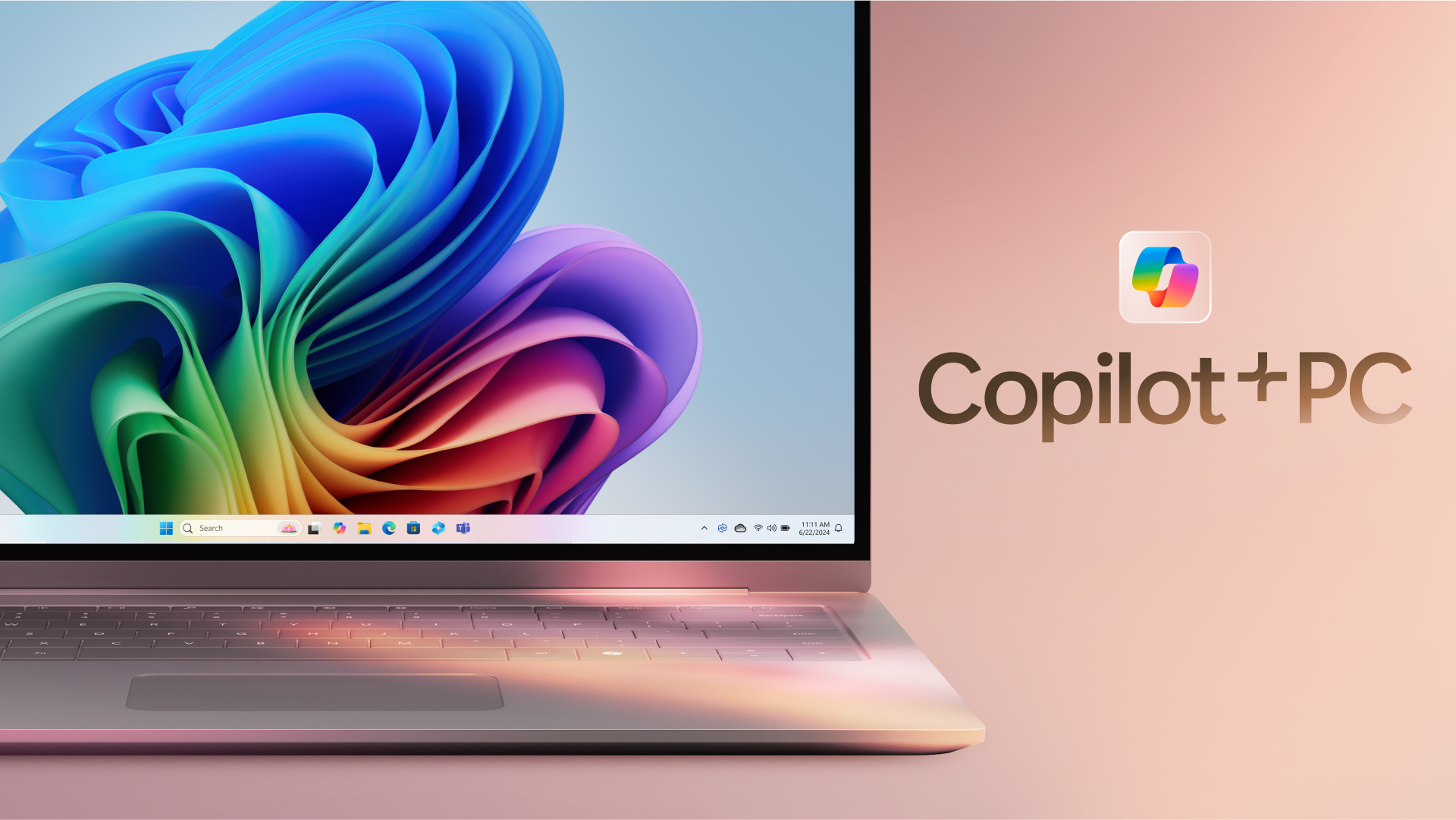
The most immediate and perhaps most overlooked piece of news is the proliferation of disclaimers. Whether it’s Copilot, ChatGPT, or other advanced generative tools, the increasing legal warnings about the limitations of the output are not mere corporate boilerplate—they signal a fundamental shift in how we must interact with AI.
These disclaimers are essentially the industry admitting that AI, while incredibly powerful, is not infallible. They are acknowledging the risk of "hallucination"—the phenomenon where an AI confidently presents false or fabricated information as fact.
For the average user, this means a critical shift in workflow. You can no longer treat AI output as gospel. You must adopt a new, mandatory layer of human skepticism. If an AI gives you a citation, you must verify the source. If it provides a legal summary, you must consult a lawyer.
Connecting the Globe: The Starlink 10,000 Satellite Milestone
While the AI news dominates the headlines, the physical infrastructure powering the next wave of digital life is happening silently, in the vacuum of space. SpaceX’s Starlink constellation is rapidly approaching and surpassing the 10,000 satellite mark, marking a monumental achievement in global connectivity.
This isn't just about having "more satellites"; it's about fundamentally changing the economics and feasibility of global internet access. Traditional terrestrial internet infrastructure is prohibitively expensive to deploy in remote regions, developing nations, or areas prone to natural disasters. Starlink bypasses these geographical limitations entirely.
By deploying thousands of low-Earth orbit (LEO) satellites, Starlink offers broadband internet with unprecedented speed and reliability to areas previously deemed "unconnectable." This has massive implications for everything from remote medical telemedicine and educational access to stabilizing economies in conflict zones.