Overview
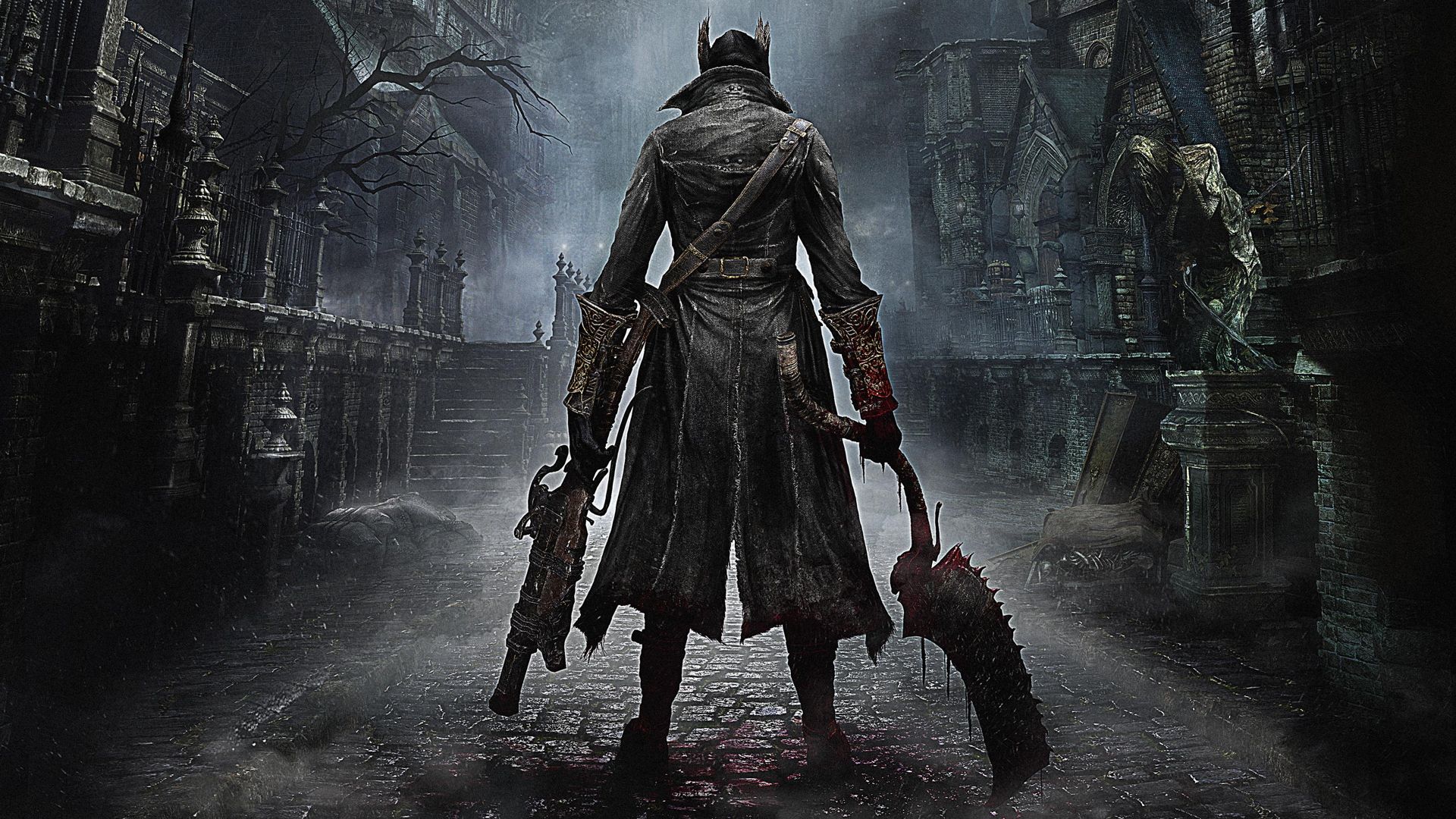
The confirmation of an official R-rated animated movie based on FromSoftware’s Bloodborne represents a significant, and perhaps unexpected, development in the handling of beloved, complex video game intellectual property. The project, reportedly spearheaded by a dedicated YouTuber superfan, suggests a new, decentralized model for adapting dark, mature-themed games for the screen. This development moves beyond the traditional studio-controlled cinematic adaptation, placing a unique emphasis on fan passion and granular detail.
The nature of the announcement—that a superfan’s work is central to the production—is the most immediate point of interest. It implies that the creative vision for this adaptation is deeply rooted in the community’s understanding of the lore, the atmosphere, and the mature, gothic horror elements that define Yharnam. For a title as dense and atmospheric as Bloodborne, where ambiguity and cosmic dread are core mechanics, fan involvement could prove to be both a boon and a creative risk.
This shift challenges the established norms of AAA game adaptation. Historically, major IPs have been handled by large studios with a focus on broad appeal, often diluting the specific tone or thematic weight that makes the source material unique. The involvement of a superfan, however, suggests a commitment to authenticity that might bypass traditional corporate caution, favoring visceral horror and complex lore interpretation instead.
The Appeal of R-Rated Horror in Animation
The Appeal of R-Rated Horror in Animation
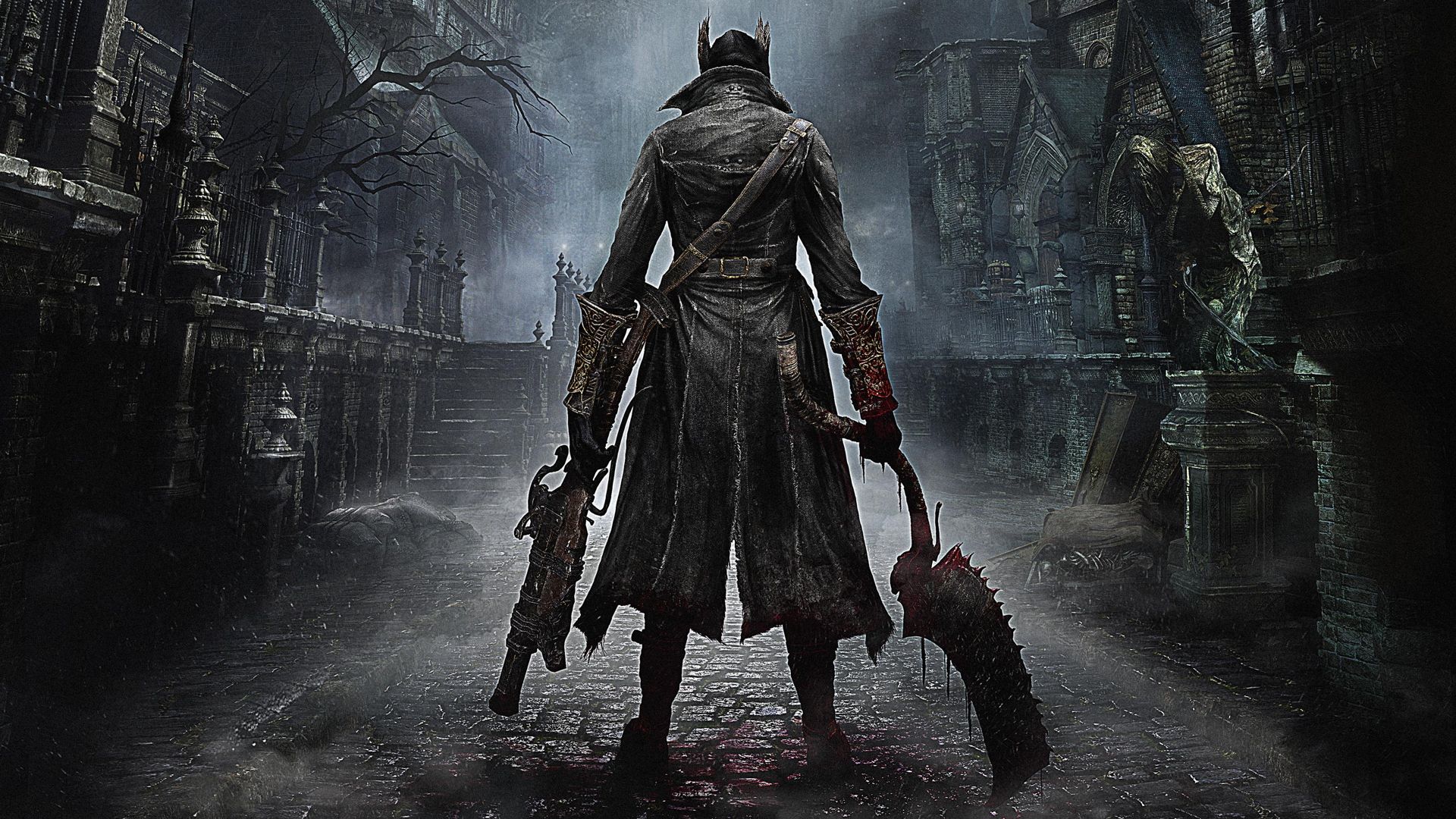
The decision to classify the adaptation as R-rated is critical, defining the scope and tone of the entire project. Unlike previous attempts at cinematic adaptations that often toned down the graphic violence, psychological distress, or mature themes, an R-rating allows the movie to lean fully into the cosmic horror and visceral body horror that are hallmarks of Bloodborne.
This commitment to mature content is not merely a marketing choice; it is a necessity for translating the Bloodborne experience. The game thrives on its unsettling atmosphere, the brutality of its combat, and the existential dread of its cosmology. To sanitize these elements for a PG-13 or even a PG rating would fundamentally betray the source material’s artistic intent. The animation medium, when executed correctly, can handle this level of visceral detail, allowing for highly stylized depictions of the Great Ones and the beasts of Yharnam that would be difficult or impossible to achieve in live-action.
Furthermore, the animation format itself offers creative freedom. Unlike the constraints of practical effects or the limitations of human performance, animation allows the creators to visualize the purely theoretical aspects of the lore—the shifting reality, the dream logic, and the sheer scale of the cosmic threats—with unparalleled imaginative scope. This technical capability elevates the project from a mere retelling to a true piece of speculative horror cinema.
Fan-Driven Development and IP Ownership
The most novel aspect of this development is the reported role of the YouTuber superfan in the production. This dynamic points toward a future where fan enthusiasm and deep knowledge are recognized as legitimate creative assets, rather than just consumer feedback.
In the current landscape of gaming, where community engagement is paramount, the acceptance of a fan-driven project signals a potential shift in how major publishers view their intellectual property. Instead of viewing the fan as merely a consumer, the studio (or the IP holder) is potentially recognizing them as a specialized creative resource. This model bypasses the traditional gatekeepers of Hollywood development, allowing a highly passionate, knowledgeable individual to guide the narrative.
This mechanism is particularly potent for lore-heavy titles like Bloodborne. The superfan is not just a fan; they are a deep-dive scholar of the game’s hidden mechanics, its cryptic references, and its philosophical underpinnings. Their involvement suggests a narrative structure that prioritizes lore fidelity and thematic consistency over mainstream commercial appeal. It is a direct nod to the dedicated segment of the gaming audience that treats the source material as high art, not just entertainment.
Implications for FromSoftware’s Cinematic Future
For FromSoftware, this animated project could set a crucial precedent for how their vast and intricate catalog of games—including Dark Souls, Elden Ring, and others—are adapted for external media. If the project succeeds in maintaining the challenging, mature tone of the games, it validates a model that prioritizes artistic integrity over mass market accessibility.
This success could pave the way for a more nuanced and less commercially diluted approach to IP expansion. Rather than forcing a blockbuster, action-adventure narrative that appeals to the broadest possible audience, the studio could explore animated, R-rated, lore-focused entries. Such a strategy would treat the game world as a rich, cinematic universe rather than just a set of playable levels.
The challenge, of course, remains massive. Translating the feeling of being in Yharnam—the oppressive atmosphere, the sense of inevitable doom, the visceral struggle for survival—into a two-dimensional animated format requires immense skill. The production must balance the necessary stylistic exaggeration of animation with the grounded, oppressive horror that defined the original gameplay experience. The success of this endeavor will define the next decade of FromSoftware’s multimedia strategy.