Overview
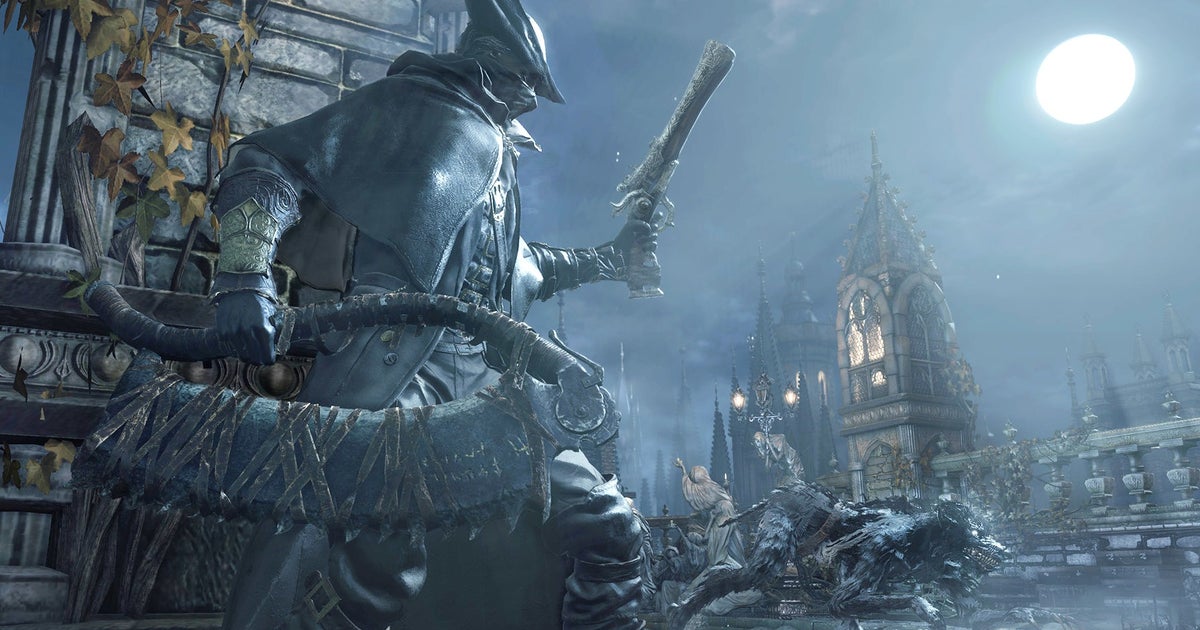
Sony Pictures has officially greenlit an R-rated animated feature adaptation of the critically acclaimed PlayStation title, Bloodborne. The project’s co-production deal with prominent YouTube creator JackSepticEye immediately signals a blend of high-budget cinematic IP development and modern digital creator engagement, a potent mix for the gaming industry. The announcement confirms that the film will retain the dark, gothic horror elements and mature thematic material that defined the original FromSoftware experience, moving far beyond the sanitized adaptations seen in other major franchises.
This development is significant because it moves beyond simple merchandise tie-ins or video game remasters. An animated feature film requires a deep commitment to world-building and tone, suggesting that the studio intends to treat Bloodborne not just as source material, but as a standalone cinematic universe. The R-rating designation is crucial, indicating that the project will embrace the visceral horror, mature violence, and complex narrative ambiguity that made the game a cult classic among hardcore gamers.
The involvement of JackSepticEye, a creator known for his deep dives into gaming culture and his massive digital following, adds a unique layer of market validation. His participation suggests that the adaptation aims to resonate directly with the core, digitally native gaming audience, bridging the gap between traditional Hollywood IP development and the modern streaming/YouTube content ecosystem.
The Significance of the R-Rating and Animated Format
The Significance of the R-Rating and Animated Format
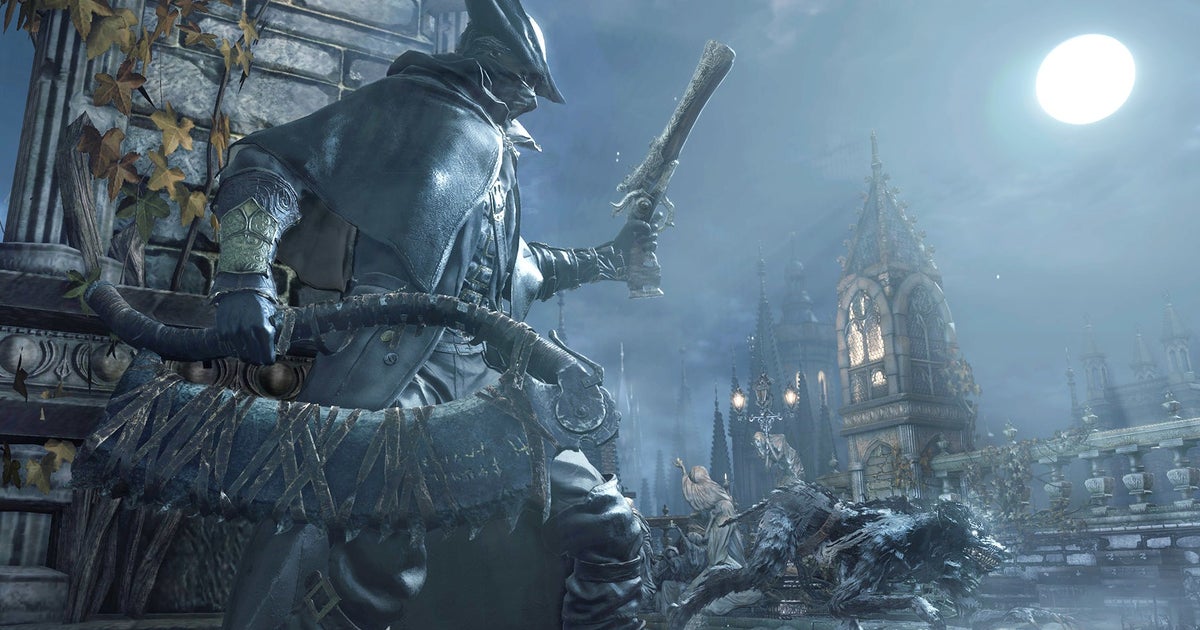
The decision to make the adaptation R-rated is arguably the most defining aspect of the announcement. Many video game IPs, when translated to film, are forced into PG-13 territory to maximize mainstream appeal, often stripping away the very elements—the cosmic dread, the visceral combat, the existential horror—that define the source material. By committing to an R-rating, Sony signals a confidence in the source material's darkness and a willingness to cater to an adult audience.
Animation, while a different medium from live-action, offers a unique opportunity to realize the most outlandish and Lovecraftian elements of Yharnam’s lore. The ability to exaggerate creature designs, visualize the rapid descent into madness, and depict the sheer brutality of the Hunter’s tools without the constraints of real-world physics or budget limitations is a major artistic advantage. This format allows the creators to lean heavily into the body horror and gothic elements that distinguish Bloodborne from other FromSoftware titles.
Furthermore, the animated format allows for a level of narrative control that might be impossible in a live-action setting. The story can be meticulously crafted to explore the lore in deep, non-linear ways, potentially focusing on the mystery of the Great Ones or the nature of the Old Blood, rather than simply replicating the gameplay loop. This suggests a narrative ambition that treats the film as a piece of high-concept horror cinema, rather than a video game retelling.
JackSepticEye's Role in IP Modernization
The co-production deal with JackSepticEye is a strategic move that speaks volumes about how major IP holders are now approaching audience engagement. In the modern media landscape, direct communication with the core consumer through established digital personalities is more valuable than traditional marketing campaigns. SepticEye’s involvement is not merely a publicity stunt; it represents an effort to build cultural credibility and immediate fan buy-in.
Digital creators like SepticEye function as trusted cultural gatekeepers for their audiences. Their endorsement lends an air of authenticity and deep understanding of the source material that a traditional studio partnership might lack. For a niche, cult-favorite title like Bloodborne, whose appeal relies heavily on community discussion and deep lore dives, having a recognized, respected voice within the gaming community involved is a powerful marketing asset.
This collaboration models a broader trend: the blurring of lines between gaming, streaming, and cinema. Major IP holders are realizing that the most effective way to monetize their intellectual property is by integrating the digital content creator economy. It suggests that the future of gaming IP adaptation involves less reliance on Hollywood gatekeepers and more direct partnership with the communities that sustain the fandom.
Implications for Future Gaming Adaptations
The Bloodborne project, particularly its structure and co-production model, sets a potential precedent for how other major gaming IPs might be adapted. If this film proves successful, it validates a model where the source material's artistic integrity—including its mature themes and challenging nature—is prioritized over mass-market accessibility.
For developers and IP holders, this means that the "Hollywoodization" of games may be evolving. Instead of simply aiming for the broadest possible audience, there is a growing market segment that actively seeks out adaptations that respect the source material's challenging nature. This is a boon for niche, highly atmospheric, or mature-themed games that have historically struggled to find cinematic representation.
The success of this model could encourage other studios to pursue similar high-risk, high-reward adaptations. Instead of defaulting to a live-action, action-comedy take, the industry might see more animated or R-rated horror/sci-fi adaptations that treat the source material with the gravity and artistic ambition it deserves. This shift represents a maturation of the gaming IP market.