Overview
Bain Capital's data center unit has initiated the removal of a tenant suspected of participating in a major illicit trade of advanced AI processors. The action follows allegations that the tenant, identified as Megaspeed, was involved in the smuggling of high-end Nvidia GPUs, violating critical US export controls aimed at restricting advanced technology transfer to China. The move signals a hardening stance among major infrastructure providers regarding compliance and the integrity of the global AI supply chain.
The incident brings into sharp focus the immense geopolitical pressures surrounding semiconductor technology. Megaspeed was previously alleged to have acquired and planned to distribute roughly $2 billion worth of cutting-edge AI processors. This massive volume of hardware, if successfully moved, would represent a significant circumvention of existing US government restrictions designed to limit China's access to the most powerful computational tools.
The removal of the tenant is not merely a commercial eviction; it is a direct response to the intersection of corporate real estate management and national security concerns. It establishes a clear precedent that data center infrastructure providers are increasingly taking on the role of compliance gatekeepers, actively policing the flow of high-value, restricted technology.
Data Center Compliance Becomes Geopolitical Frontline

Data Center Compliance Becomes Geopolitical Frontline
The incident highlights a critical shift in the operational risk profile for data center operators. Historically, these facilities were viewed primarily as neutral, high-capacity utility providers. Now, the movement of advanced AI hardware—particularly chips like those from Nvidia—has transformed the physical infrastructure into a sensitive geopolitical frontline.
The sheer scale of the alleged operation, involving billions of dollars in specialized hardware, suggests a sophisticated, well-funded effort to bypass established trade regulations. Such smuggling operations require deep knowledge of global logistics, customs procedures, and the specific technical specifications of restricted components. The involvement of a major data center unit, which typically serves highly regulated enterprise clients, underscores the depth of the alleged circumvention.
For the industry, this raises questions about the due diligence protocols required of all tenants. Data center operators are now faced with the challenge of distinguishing between legitimate, high-volume research and state-sponsored or illicit technology diversion. The enforcement action taken by Bain Capital serves as a powerful signal to the market: compliance failures related to restricted technology will carry immediate and severe operational consequences.
The $2 Billion Nvidia Puzzle and Export Controls
The core of the controversy revolves around the alleged movement of massive quantities of Nvidia GPUs. These processors are not commodity hardware; they are specialized computational engines that power the most advanced AI models, making them central to global technological competition. The $2 billion valuation anchors the severity of the alleged violation.
US export controls, particularly those implemented following geopolitical tensions, are designed to slow the development of advanced AI capabilities within rival economies. These controls often restrict the sale of high-performance chips and the associated design software. The alleged attempt to move such a large cache of hardware represents a direct challenge to the efficacy and reach of these restrictive measures.
The implications for the semiconductor market are profound. If such large-scale illicit distribution proves successful, it undermines the entire framework of international tech regulation. Conversely, the swift and decisive action by a major data center unit suggests that the compliance mechanisms are proving robust, at least in the physical infrastructure layer. This reinforces the necessity for end-to-end tracking and verification within the supply chain.
Supply Chain Integrity and AI Infrastructure Risk
The incident serves as a stark warning about the vulnerabilities inherent in the global AI supply chain. The demand for compute power is accelerating faster than the regulatory and physical infrastructure can reliably support it. This gap creates lucrative opportunities for illicit actors.
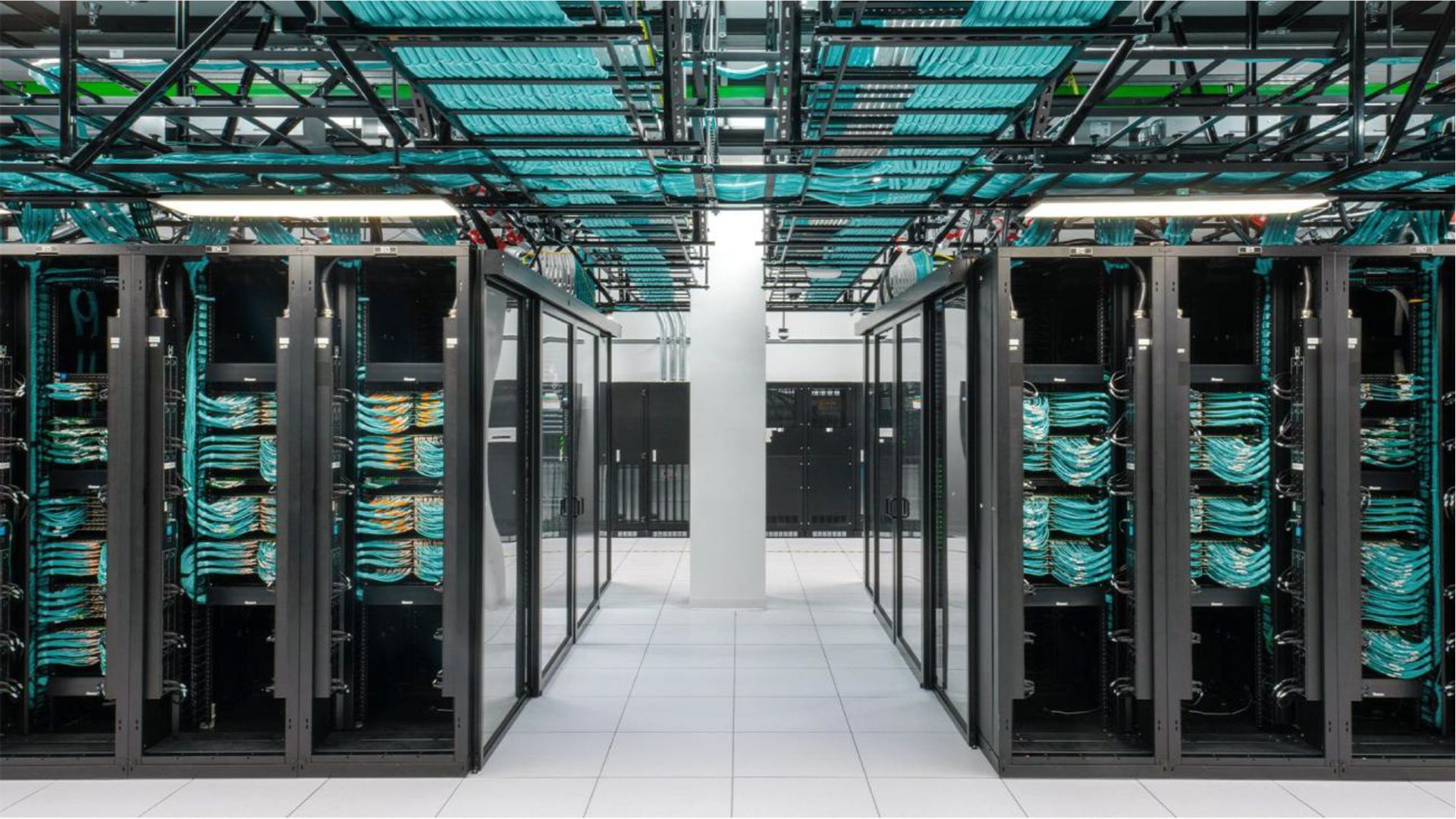
Data centers are the physical manifestation of this compute demand. When a facility houses tenants handling restricted technology, the risk profile increases exponentially. The removal of the tenant forces the industry to re-evaluate its internal security architecture, moving beyond simple physical access control to incorporating deep compliance vetting of the tenant's end-use case and ultimate destination of the hardware.
Furthermore, the incident points to the increasing integration of regulatory risk into the cost of doing business in the tech sector. Companies operating data centers must now budget not just for power and cooling, but for advanced compliance monitoring, legal risk assessment, and geopolitical intelligence gathering. This elevates the operational overhead for all players in the compute space.