Overview
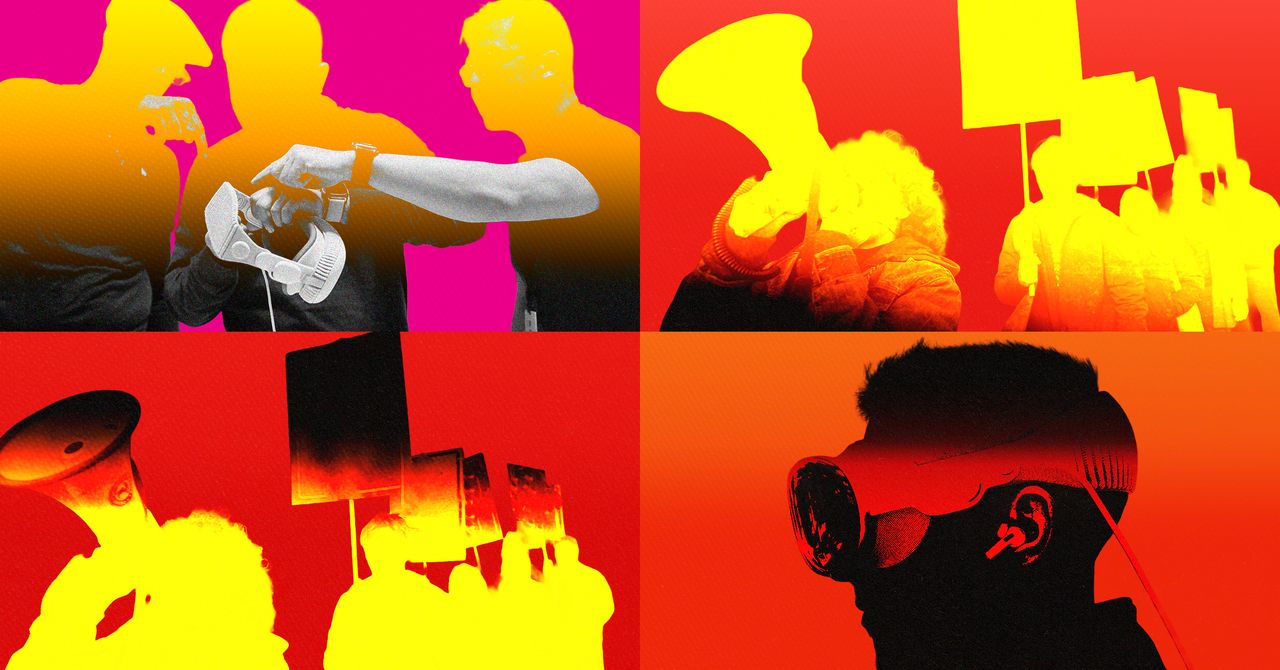
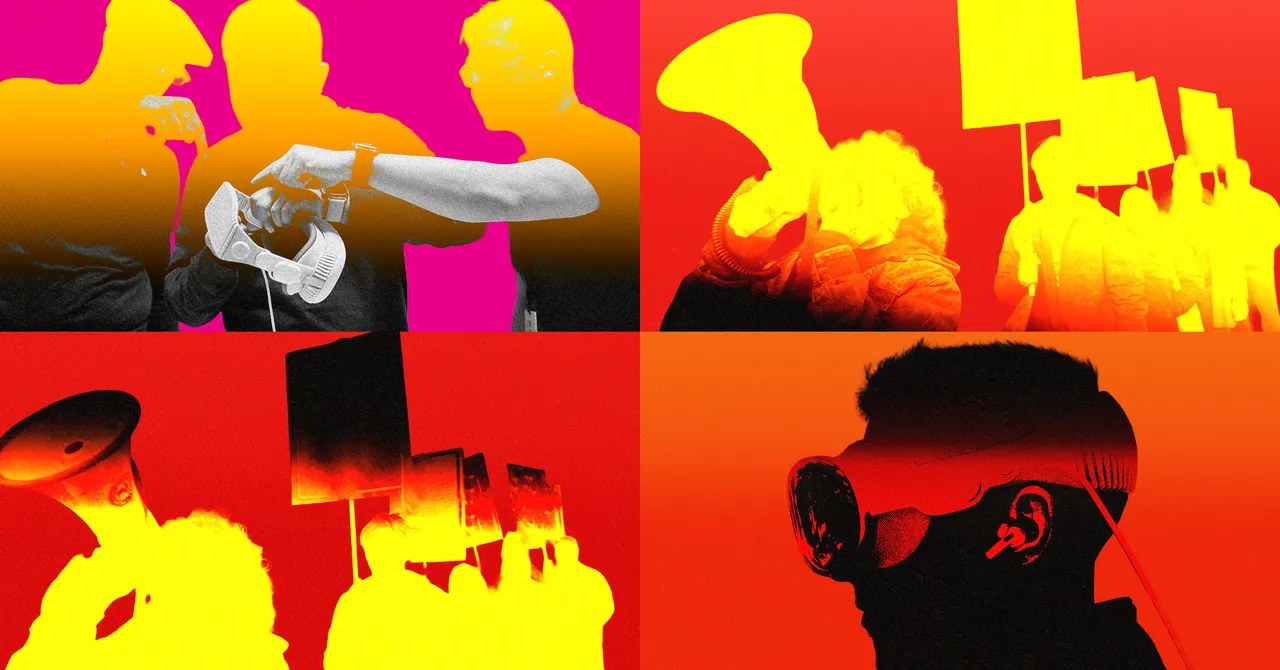
The Apple Vision Pro launch exposed organizational tension that the company's usual polish could not fully hide. Reports describe friction between hardware, software, and services divisions over the product's core identity: was it a revolutionary computing platform or an expensive display accessory?
The complexity of spatial computing, combining high-fidelity displays with real-time, low-latency interaction, proved to be as much an organizational challenge as a technical one. The disagreements were not about bugs or timelines but about fundamental product direction.
The Engineering Nightmare of Spatial Computing
The Engineering Nightmare of Spatial Computing
The core technical challenge underpinning the Vision Pro’s rollout was the integration of multiple, previously disparate technologies into a single, cohesive user experience. Unlike previous Apple devices, which focused on optimizing a single input/output method (touchscreen), the Vision Pro demanded mastery over hand gestures, eye tracking, and multi-display spatial anchoring. This required unprecedented coordination between micro-display engineering, advanced sensor arrays, and the operating system itself.
Sources indicate that the integration of these components created a massive operational bottleneck. Developing the necessary software layers—the APIs and developer tools—to support true spatial interaction proved far more difficult than simply building the hardware shell. The system required developers to think in three dimensions, a conceptual leap that demanded a complete rethinking of existing application architecture. This was not a simple port of existing iOS functionality; it necessitated the creation of entirely new computational paradigms.
Furthermore, the reliance on external, specialized supply chains added another layer of complexity. The manufacturing tolerances required for the micro-OLED displays and the advanced sensors were extremely tight. Any deviation in the supply chain or in the calibration process could compromise the core promise of the device: perfect, invisible immersion. The sheer weight of these technical dependencies amplified the internal stakes, making every development cycle a high-stakes negotiation between engineering feasibility and market expectation.
Navigating Internal Power Dynamics
The tensions observed during the rollout were not solely technical; they were deeply organizational. The introduction of a platform that fundamentally alters how humans interact with digital information challenged established departmental silos within Apple. The product required deep, functional cooperation between the hardware design teams (responsible for the physical form factor), the software teams (responsible for the OS and app ecosystem), and the services teams (responsible for content and developer support).
Historical accounts of Apple often emphasize its centralized control and singular vision. However, the Vision Pro’s scope demanded a degree of cross-functional autonomy and rapid iteration that traditionally runs counter to the company's highly controlled development model. This created friction points: who owns the user experience when the input method is constantly changing? Does the hardware team dictate the limits of the software, or does the software team define the necessary hardware specifications?
The internal debates suggest a struggle for architectural ownership. Some factions pushed for the device to be marketed primarily as a computing device—a successor to the Mac—while others advocated for its role as an entertainment or communication tool. This disagreement over the primary value proposition created a strategic misalignment, forcing leadership to manage conflicting visions of the company's next decade. The internal conflict was thus less about if the product would succeed, and more about what the product fundamentally represented to Apple’s identity.
The Developer Ecosystem and Market Adoption
The success of any platform hinges on its developer ecosystem. For the Vision Pro, the challenge was not just convincing consumers to buy the device, but convincing developers to build complex, high-fidelity applications for it. This required a monumental effort in education, tooling, and incentive creation.
The rollout exposed the gap between Apple’s internal technical capability and the readiness of the external developer community. Creating a viable developer experience (DX) for spatial computing is exponentially harder than creating one for a standard mobile OS. Developers needed new mental models, new coding languages, and a clear understanding of the physical limitations and opportunities of the device.
The internal pressure to accelerate developer adoption likely fueled much of the reported tension. If the hardware was revolutionary but the software was sparse, the entire venture risked being perceived as a niche, expensive gadget rather than a foundational computing shift. This dynamic forced Apple to rapidly shift resources from pure hardware refinement to building out the developer infrastructure, a pivot that requires massive capital expenditure and a change in corporate focus.