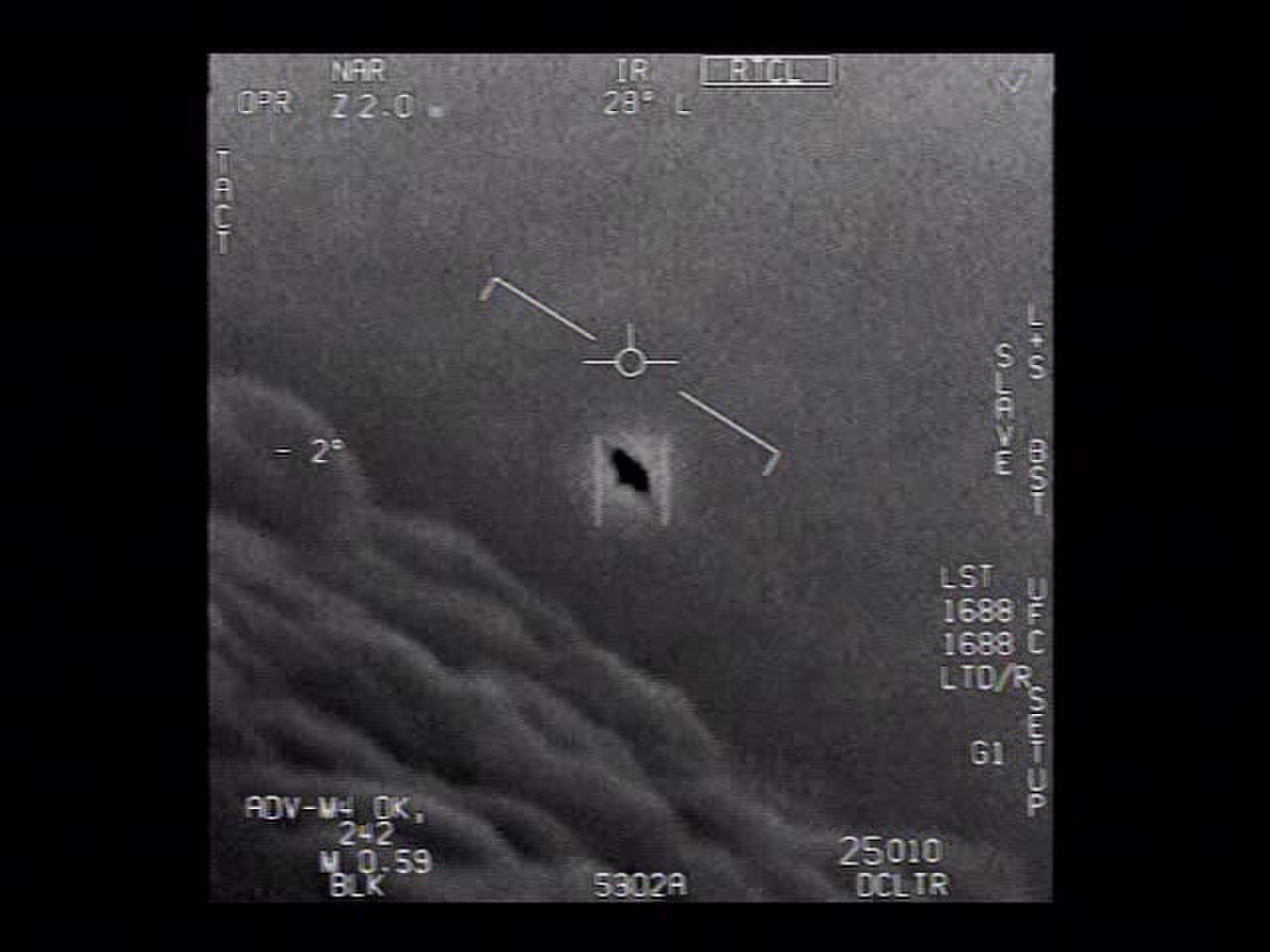
The enduring mystery beyond modern technology
In the age of hyper-connectivity, AI breakthroughs, and crypto-fueled speculation, we expect answers. We expect the next major tech paradigm shift, the perfect algorithm, or at least a definitive explanation for why the last patch notes for reality are so vague.
But when you start digging into the history books—the ones that predate satellites, radar, and even reliable photographic film—the narrative gets messy. We’re talking about records of aerial phenomena that don't fit neatly into the "weather balloon" or "experimental aircraft" box. These aren't just fringe theories; they are documented, repeated sightings across disparate cultures and millennia.
The question isn't if these events happened, but what they were. And the official explanations are often thin, requiring a suspension of disbelief that even the most dedicated conspiracy theorist would balk at. This isn't about tin-foil hats; it's about pattern recognition. It's about the historical record suggesting that humanity has consistently encountered something outside its known technological sphere.
Before the advent of the Cold War or the first jet engine, people were already seeing things that defied local physics.
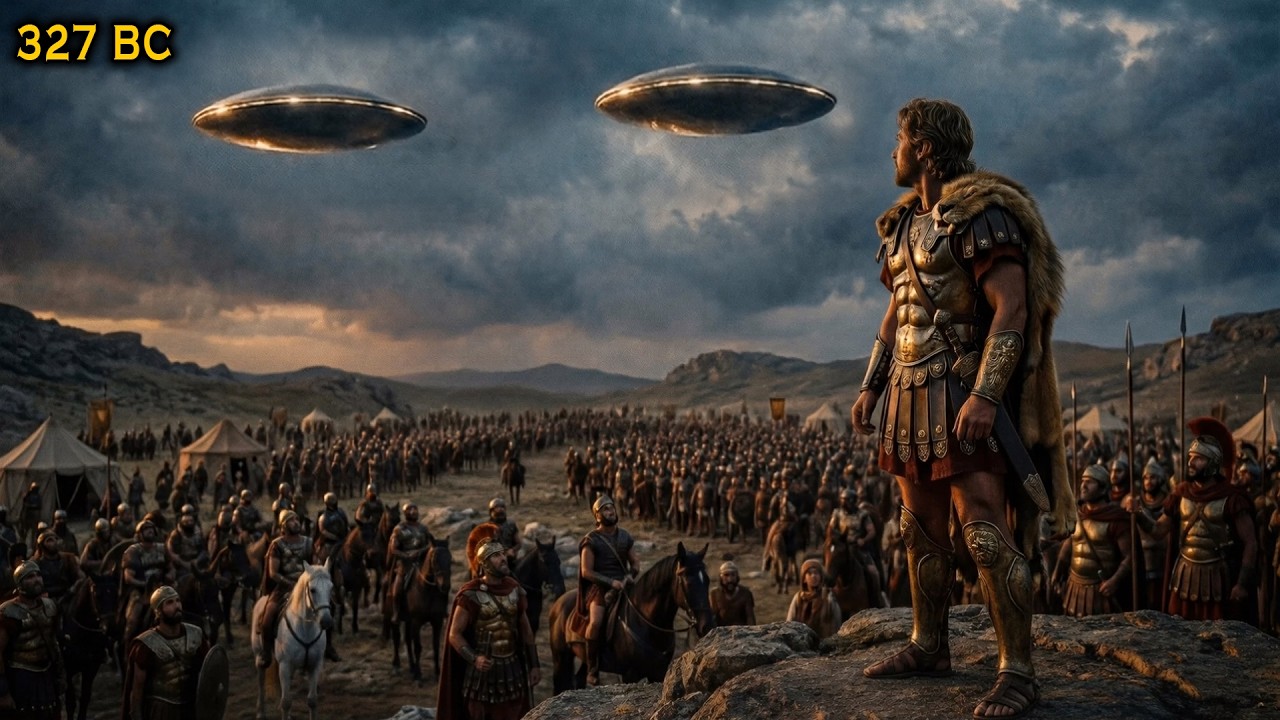
H2 Section 1: Pre-Modern Accounts: When the Sky Was Already Strange
Before the advent of the Cold War or the first jet engine, people were already seeing things that defied local physics. The earliest records of unexplained aerial phenomena (UAP) are often dismissed as misidentification—balloons, meteors, or hallucination. But when you look at the consistency of the descriptions, a pattern emerges.
Consider the accounts from ancient civilizations. We see descriptions of luminous objects, silent craft, and non-human intelligence interacting with human settlements. These aren't vague myths; they are detailed observations recorded by cultures that had no framework for understanding what they saw.
One of the most compelling examples comes from archaeological and anthropological records. These accounts often describe beings or craft that moved with impossible grace, exhibiting propulsion methods that defy known terrestrial physics. The common thread across these wildly separated cultures—from Mesoamerica to the Pacific islands—is the encounter with advanced, non-human technology.
H2 Section 2: The Mid-Century Spike: From Roswell to the Pentagon
If ancient records establish the pattern, the mid-20th century provided the flashpoint. The Cold War was a time of intense technological secrecy, making it the perfect environment for both advanced human testing and, potentially, external encounters.
The Roswell incident remains the quintessential example. While the official narrative has been repeatedly revised—from a weather balloon to debris—the sheer volume of conflicting testimony, the classified nature of the initial reports, and the subsequent decades of cover-ups have created a persistent, undeniable vacuum of information. This vacuum is where the speculation lives, and for good reason.
Beyond Roswell, the records become more technical. We move from vague descriptions of lights to detailed accounts of radar signatures, flight paths, and physical encounters. The Pentagon, for instance, has issued numerous reports acknowledging UAP sightings, often stating that the phenomena are "unidentified" rather than "unknown." This subtle but critical distinction is key. It means the data exists, it was recorded by sophisticated instruments, but the data set lacks a definitive identifier.