Navigating the Nuances of AI and Creativity
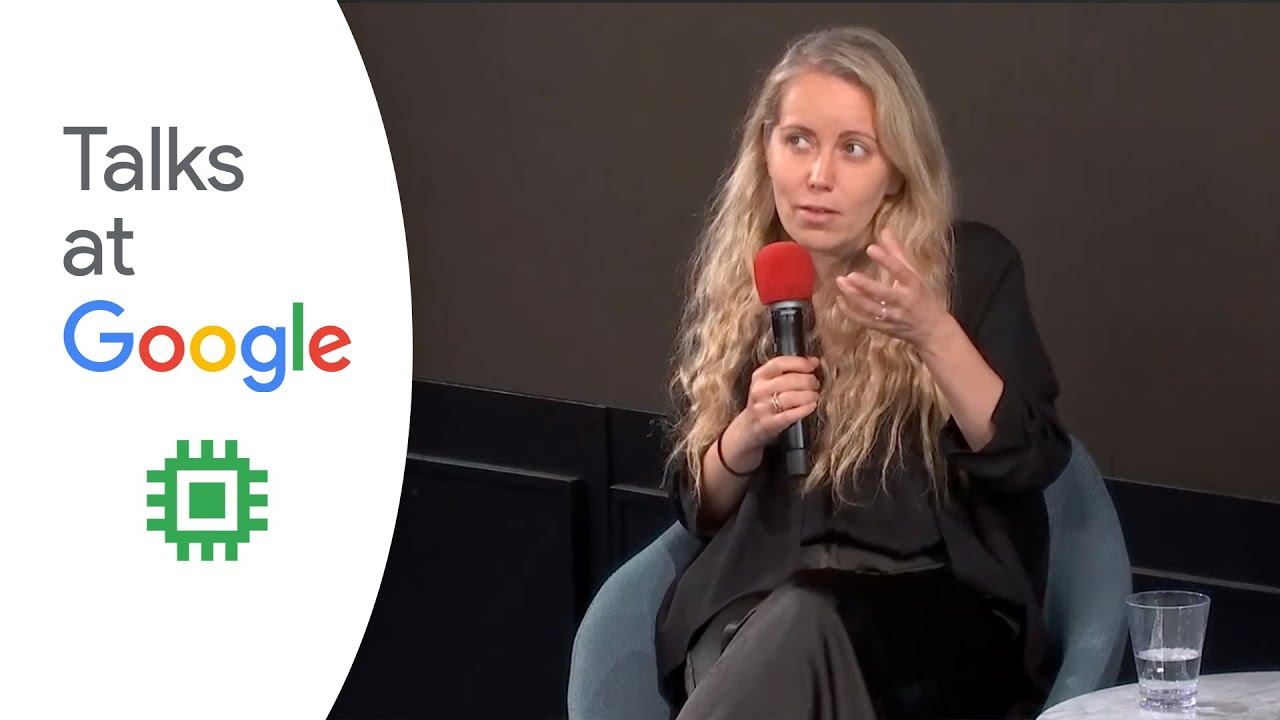
The AI conversation usually lands in one of two places: it will either save everything or replace everyone. Maya Ackerman's talk, Creative Machines: AI, Art and Us, makes a more useful argument, AI is most powerful when it works alongside human creativity, not instead of it.
For anyone building tools, making content, or writing code, the takeaway matters. The best results come from treating AI as a collaborator that handles the mechanical work while humans steer the creative direction.
The most immediate takeaway from the conversation around AI is the fundamental change in the definition of "creative work." Historically, creativity was measured by execution—the sheer skill required to master a medium, whether it was oil paint, complex code, or a perfect musical chord.
The Shift from Creation to Curation
The most immediate takeaway from the conversation around AI is the fundamental change in the definition of "creative work." Historically, creativity was measured by execution—the sheer skill required to master a medium, whether it was oil paint, complex code, or a perfect musical chord. AI has effectively automated the execution layer.
This is the critical pivot point. If the machine can handle the technical heavy lifting—generating the perfect gradient, writing the boilerplate code, or remixing a thousand variations of a melody in seconds—then the value shifts upstream. The value moves from the how to the what and the why.
Ackerman argues that the most valuable human skill in the age of generative AI is not the ability to generate content, but the ability to curate it. Curating implies taste, judgment, context, and a deep understanding of what resonates emotionally or intellectually. A prompt engineer is, in essence, a high-level curator. They aren't just typing words; they are directing a massive, complex, algorithmic engine toward a specific, meaningful outcome.
Redefining Intelligence: Beyond the Algorithm
When we talk about "creative machines," we often default to thinking about pattern recognition—the ability of a Large Language Model (LLM) to predict the next most statistically probable word or pixel. But Ackerman pushes us to consider a broader definition of intelligence.
True human intelligence, and what the machine still lacks, is embodied understanding—the ability to connect abstract concepts with lived, messy, emotional reality. AI is brilliant at correlation, but it struggles with causation rooted in subjective human experience.
Consider the difference between a perfect, algorithmically generated piece of art and a piece of art that resonates with the specific cultural trauma or triumph of its time. The machine can mimic the style of Van Gogh, but it cannot replicate the existential desperation that drove Van Gogh to paint.