The Rise of the Addictive Roguelite Genre
If you’ve spent any time in the gaming sphere over the last few years, you’ve inevitably stumbled into the gravitational pull of Vampire Survivors. It’s the perfect blend of simple mechanics and addictive, escalating chaos. You pick a character, you collect weapons, and suddenly, you’re a bullet-hell god mowing down endless waves of enemies until your fingers cramp up and you’re ready for round two.
It’s a formula that has been copied, remixed, and adapted for nearly every conceivable IP—from Castlevania to various modern gaming franchises. It’s undeniably successful, and that success has made it a goldmine for publishers looking for a low-overhead, high-engagement hit.
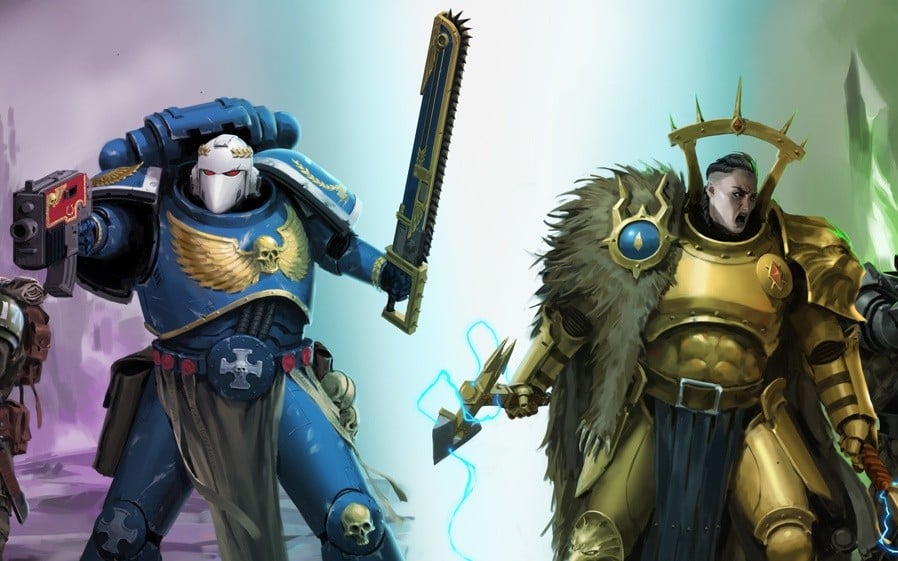
Enter Games Workshop (GW). The behemoth of tabletop gaming, known for the grim darkness of the 41st Millennium and the epic scale of Age of Sigmar, has decided to jump into the fray. They aren't just making a cameo; they are dropping their own standalone, officially branded roguelite: Warhammer Survivors.
The Mechanics of Mayhem: What is *Warhammer Survivors*?
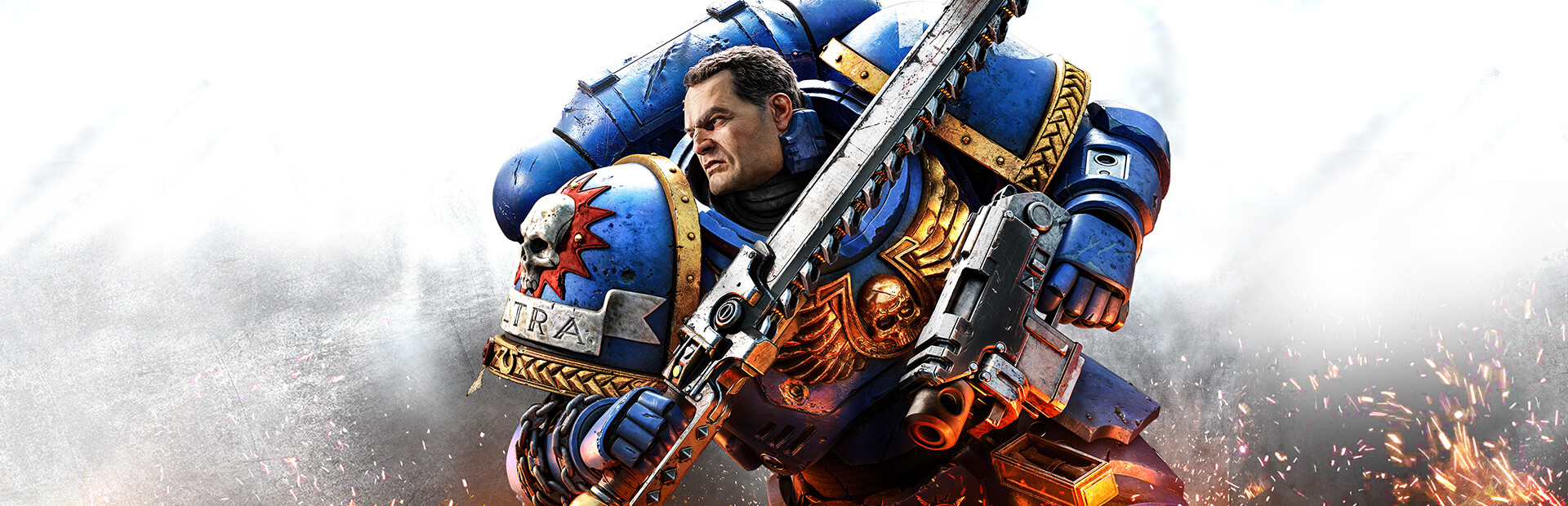
The Mechanics of Mayhem: What is *Warhammer Survivors*?
At its core, Warhammer Survivors is a direct homage to the genre that defined the modern roguelite experience. The premise is straightforward: you are thrust into a universe of relentless war, and your goal is survival.
The genius of the Vampire Survivors model is its simplicity. You don't need complex combat inputs or elaborate combos. You just move, and the weapons and passive abilities you acquire do the heavy lifting. It’s a system built around exponential scaling and satisfying power creep.
GW is taking that engine and filling it with the deep lore and recognizable assets of its two massive universes. This means the playable roster won't be generic placeholders. You can expect characters and weapons pulled directly from both Warhammer 40,000 and Age of Sigmar.
Beyond the Skin: Why This Matters for GW
For a company like Games Workshop, which relies heavily on the high-fidelity, complex, and often expensive experience of the physical tabletop model, pivoting to a simple, arcade-style digital game is a calculated risk. But the potential payoff is massive.
The key difference between a simple skin-job and a successful adaptation is synergy. A good Warhammer Survivors game won't just slap a Space Marine model onto a Vampire Survivors map. It needs to integrate the core concepts of the lore into the mechanics.
Imagine playing as a Tech-Priest. His weapons shouldn't just be random projectiles; they should feel like salvaged, over-engineered servo-skull weaponry, perhaps requiring a resource management element that reflects his mechanical nature. Or think about a Chaos Lord—his abilities could involve temporary corruption or unpredictable, devastating bursts of power.
The Switch Factor: Platform and Accessibility
The decision to target the Nintendo Switch 1 and 2 is also significant. The Switch is a platform known for its accessibility and its ability to host highly addictive, casual, yet deep experiences.
For a genre like this, which thrives on pick-up-and-play sessions, the Switch is ideal. You can grab it during a short break, play for 20 minutes of pure chaos, and then put it down without feeling like you’ve committed to a 40-hour RPG slog.
The fact that the game is slated for the Switch 1 and 2 suggests a commitment to portability and broad market reach. It positions Warhammer Survivors not just as a niche game for dedicated GW fans, but as a genuinely fun, accessible experience for the wider gaming audience who might otherwise never touch a miniature or a rulebook.