Overview
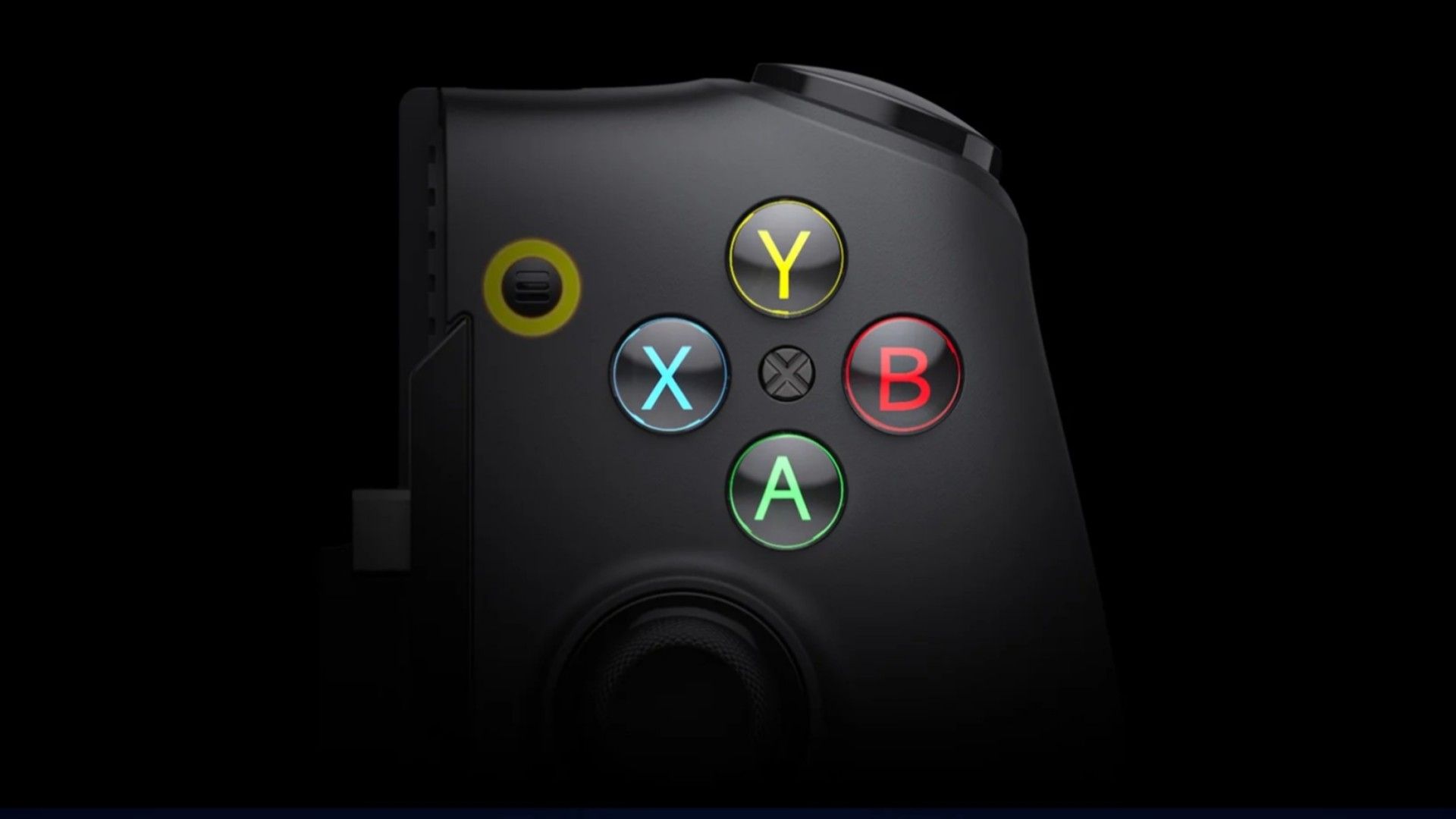
The mobile gaming sector has long been defined by a fundamental compromise: powerful, portable screens paired with inherently imprecise touch inputs. For over two decades, developers and hardware manufacturers have struggled to bridge the gap between console-grade control fidelity and the convenience of a smartphone screen. This new peripheral, however, appears to have engineered a simple, yet profound, solution that finally addresses a 24-year-old industry grievance.
The core problem has always been the lack of tactile, dedicated, and customizable input methods that don't feel bolted on. Previous attempts—from generic Bluetooth sticks to oversized clip-on modules—have often sacrificed ergonomics or functionality for novelty. They failed to replicate the depth of input available on dedicated console hardware, forcing complex action games into a simplified, often frustrating, touch paradigm.
This latest controller design shifts the conversation away from mere compatibility and toward true integration. By optimizing the physical interface for modern smartphone dimensions, it offers a level of responsiveness and customizable mapping that previous generations of mobile accessories could only dream of.
Redefining Mobile Input Fidelity
Redefining Mobile Input Fidelity
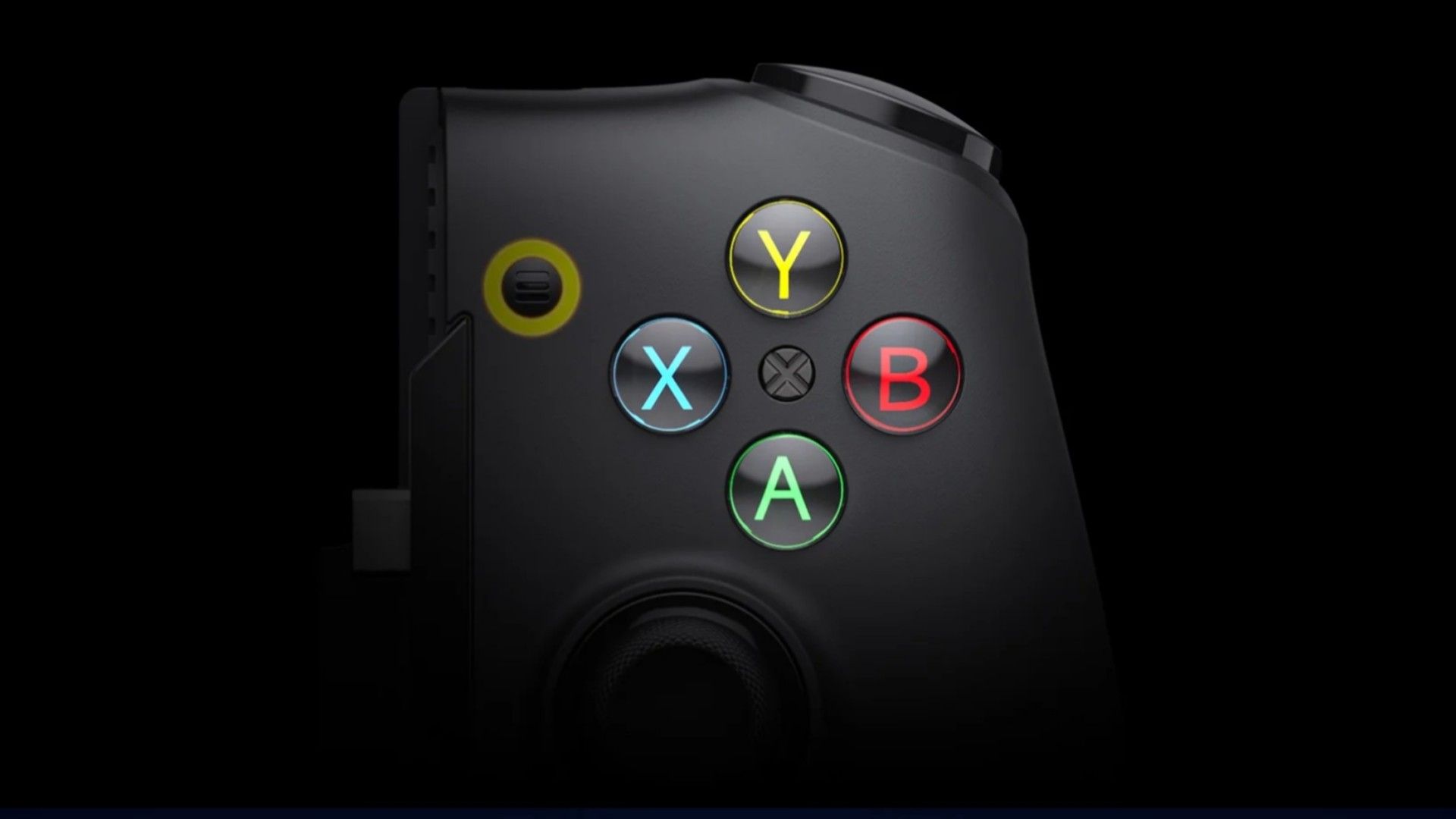
The primary innovation centers on how the device maps physical inputs to the mobile operating system, moving beyond simple directional pads. Unlike previous generations of controllers that merely added buttons, this model incorporates advanced haptic feedback mechanisms and customizable trigger resistance, mimicking the feel of high-end console hardware.
The engineering breakthrough is not just the addition of sticks and buttons, but the way it manages latency and input precision. By utilizing a proprietary connection protocol, the controller minimizes the typical lag associated with Bluetooth streaming, ensuring that the digital input registered by the game engine is virtually instantaneous. This level of fidelity is crucial for genres like competitive shooters or rhythm games, where milliseconds dictate success or failure.
Furthermore, the design addresses the issue of physical size and weight. Instead of bulky, universal attachments, the controller is engineered to feel like a cohesive extension of the phone itself. This thoughtful approach to ergonomics is critical; a controller that forces the user into an unnatural grip or adds excessive bulk quickly becomes unusable, regardless of its technical specifications.
The Impact on Genre Depth and Gameplay
The implications of this hardware leap extend far beyond simply offering more buttons. It fundamentally changes the ceiling for mobile game design. When input limitations are removed, developers are freed to build deeper, more complex gameplay loops that were previously relegated to dedicated console ports.
Consider the action RPG genre. Historically, these games required complex management of movement, combat abilities, and inventory interaction simultaneously. On touchscreens, this often resulted in clunky, menu-driven combat. With a dedicated, high-fidelity controller, developers can now implement true analog movement and multiple, simultaneous action inputs—allowing for the kind of fluid, responsive combat that defines the genre on PC or console.
Similarly, simulation and racing titles benefit immensely. The inclusion of variable-resistance triggers, for example, allows a mobile racing game to simulate the gradual build-up of engine resistance or the delicate pressure needed for precise braking, adding a layer of physical realism that simple digital button presses cannot achieve. This moves mobile gaming from a casual time-killer to a platform capable of supporting true, demanding gaming experiences.
Industry Adoption and Competitive Landscape
The market for mobile gaming accessories has historically been fragmented, dominated by niche, often proprietary solutions. The emergence of a standardized, high-performance controller forces the industry to reassess its own limitations.
For manufacturers, this represents a clear opportunity to elevate the perceived value of mobile gaming. Instead of relying solely on the sheer volume of titles, the focus shifts to the quality and depth of the interactive experience. This competitive pressure is beneficial for the ecosystem as a whole, pushing developers to optimize their games for deeper control schemes rather than just for touch-screen accessibility.
However, the success of this peripheral also highlights the ongoing challenge for smartphone manufacturers. While the controller solves the input problem, the industry still needs to address the underlying issue of power efficiency and thermal management when running graphically intensive, controller-optimized games. The hardware must keep pace with the software demands.