Overview
The speculation surrounding a Marvel's Spider-Man 3 sequel intensified after a deleted Instagram story posted by Ben Jordan, the face model for Peter Parker in the Insomniac series. The image, which showed Jordan in motion capture gear posing with web-shooter gestures, coupled with the caption "IYKYK" and a spider emoji, was enough to confirm what many industry observers consider an inevitability. Given the monumental success of the first two titles, the demand for a third installment is not merely high—it is a commercial mandate.
While the deleted post itself is circumstantial evidence, it signals that development efforts are already underway. Insomniac Games, a studio renowned for its technical prowess and ability to handle massive open-world action, has a proven track record of delivering top-tier superhero experiences. The question, therefore, shifts from if the game is coming to when and on what platform it will land.
The timeline presents a complex technical challenge. The interval between the first and second games was approximately five years. If Insomniac adheres to a similar development cycle, the release window for Spider-Man 3 could push the title well into the late 2020s, potentially beyond the expected lifecycle of the current generation of PlayStation hardware.
The Weight of the Insomniac IP Machine
The Weight of the Insomniac IP Machine
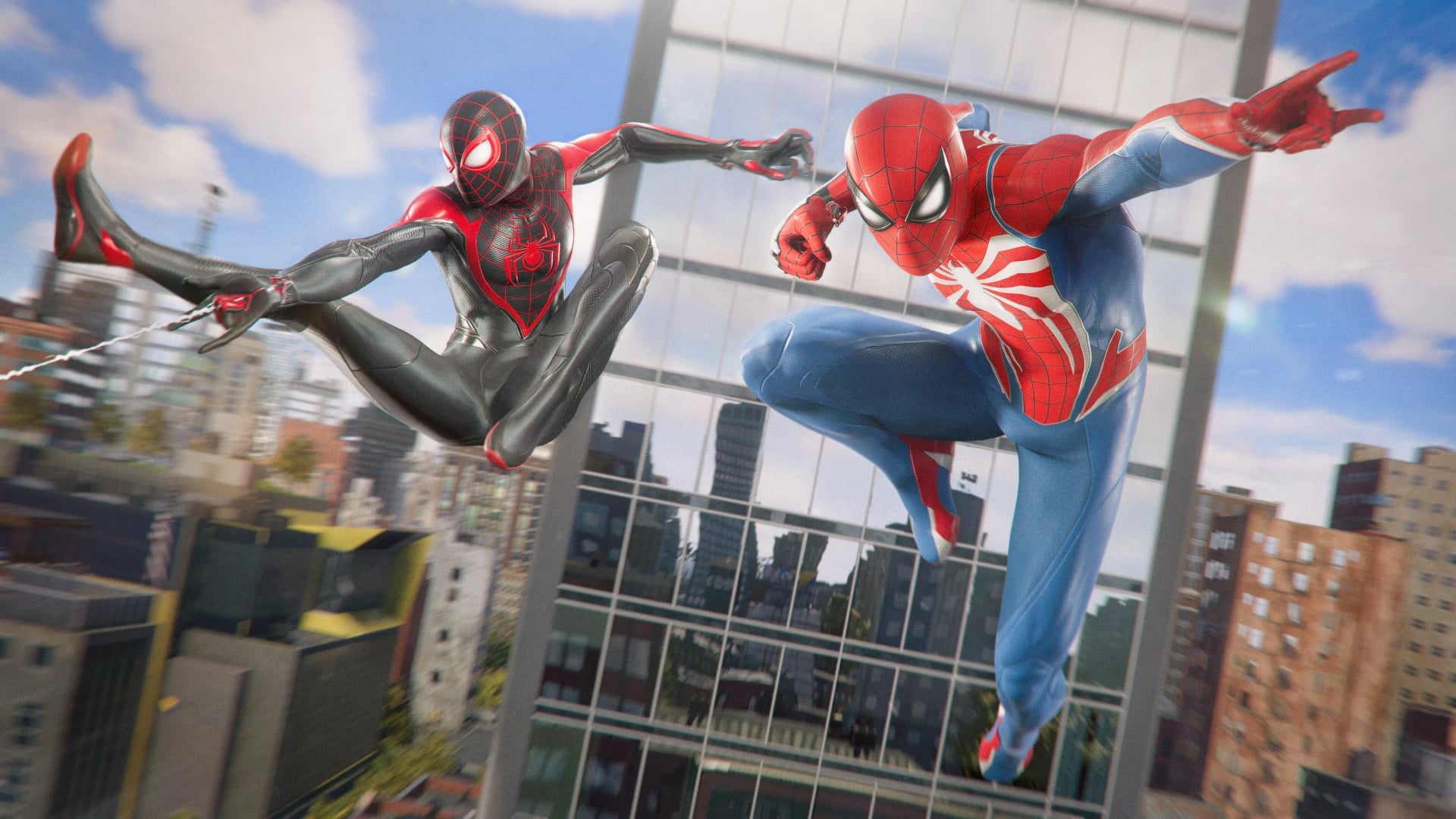
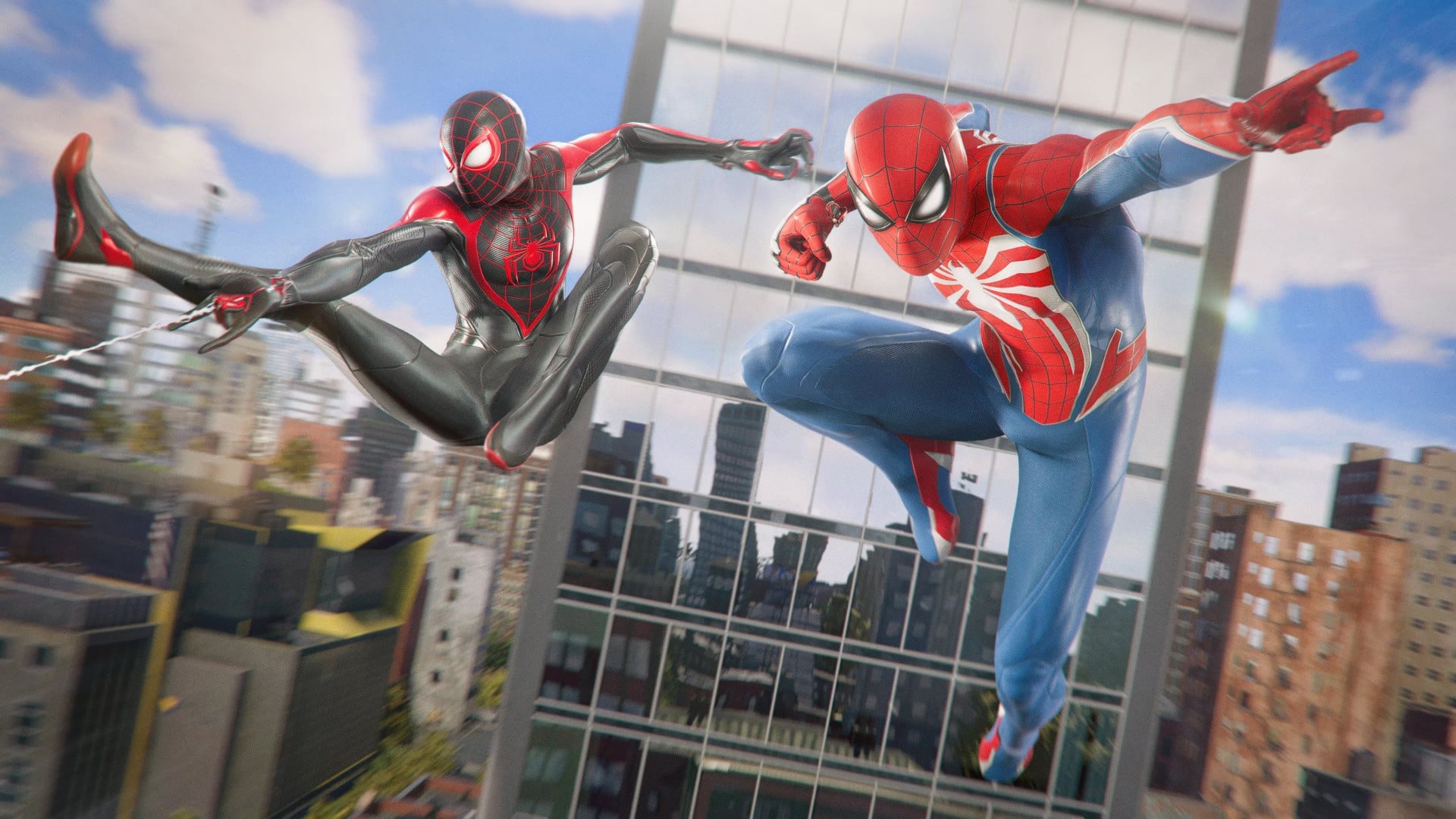
The sheer commercial gravity of the Spider-Man IP cannot be overstated. Insomniac Games has successfully established a blueprint for modern superhero gaming, blending fluid traversal mechanics with deep narrative arcs. The initial titles set a standard for first-party PlayStation action games that few competitors can match.
The studio's recent focus on Marvel's Wolverine suggests a continued commitment to maximizing the franchise potential within the Marvel universe. However, the Spider-Man brand remains the flagship property. The development team is acutely aware of the global appetite for Peter Parker’s adventures, a factor that makes the continuation of the series a strategic priority for Sony Interactive Entertainment.
The narrative conclusion of Marvel's Spider-Man 2 left several threads dangling, particularly concerning the fate of key villains and the broader implications of the characters' lives in New York. These narrative loose ends provide fertile ground for a third chapter, offering opportunities for expanded lore, deeper character dives, and a more complex villain roster than previous entries.
Technical Hurdles and the Console Cycle Question
The most pressing technical question surrounding Spider-Man 3 is its target platform. Will the sequel be optimized for the PS5, or will it be designed with a view toward the next generation of hardware?
The time required to build a sprawling, open-world title like the Spider-Man games is immense. Considering the five-year gap between the first and second entries, a realistic development timeline suggests that Spider-Man 3 could easily target a release date of Fall 2028 or later. This places the title squarely in the speculative window for the PlayStation 6.
If Insomniac aims for a PS6 launch window, the game must be built with next-generation architecture in mind, potentially requiring significant shifts in graphical fidelity, physics modeling, and sheer scale. Developing for a console that has not yet been revealed introduces layers of risk and complexity that the studio must navigate.
The Challenge of Sustaining Quality
While the franchise's success is undeniable, the critical reception to Marvel's Spider-Man 2 highlighted certain narrative weaknesses. Reviewers and players alike noted issues with pacing, the handling of side missions, and the overall narrative structure, suggesting that the story, while visually spectacular, occasionally felt rushed or overly reliant on spectacle over substance.
The challenge for Spider-Man 3 is therefore not merely to replicate the success of the previous game, but to elevate the storytelling. The franchise needs to prove that it can sustain the high level of gameplay polish while delivering a narrative that feels as rich and emotionally resonant as the original trilogy.
Furthermore, the industry has seen a rise in complex, character-driven open-world titles from various developers. For Insomniac, the pressure is on to maintain its status as the gold standard for AAA superhero gaming, ensuring that the next installment feels like a genuine evolution, not just an iteration.