Overview
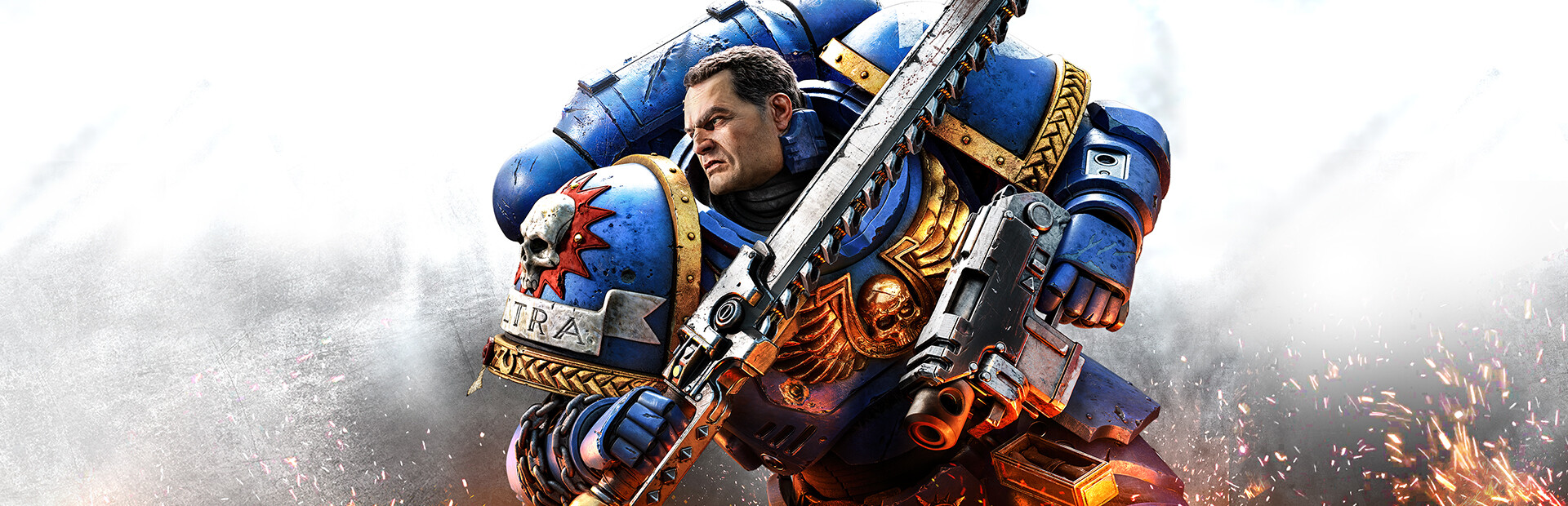
The digital storefront of Steam has become the dumping ground for a significant portion of the Warhammer IP, suggesting a coordinated effort to saturate the market with related titles. This sudden availability of multiple games—ranging from tactical skirmishers to grand strategy experiences—marks a pivotal moment for both the tabletop gaming industry and digital distribution platforms. The sheer volume of releases suggests that Games Workshop (GW) and its partners are aggressively pursuing Steam revenue streams, potentially prioritizing accessibility over cohesive product rollout.
This wave of releases is not merely a collection of peripheral titles; it represents a strategic push to capture the casual gamer who might otherwise overlook the deep lore and complex mechanics of the core tabletop experience. The availability of multiple entry points, however, raises questions about the overall quality control and the long-term narrative cohesion of the digital offerings.
The immediate implication is a massive, if somewhat overwhelming, content library for players already invested in the Warhammer universe. While the availability is a boon for the IP's visibility, the industry must now analyze whether this flood of content translates into sustained, high-quality player engagement or simply creates a temporary spike in sales figures.
The Digitalization of Tabletop Warfare
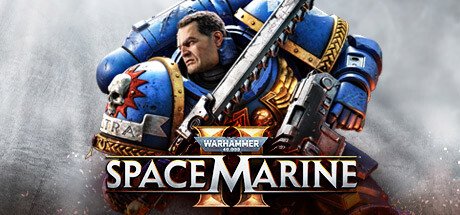
The Digitalization of Tabletop Warfare
The core development signaled by the Steam drop is the accelerating digitalization of previously physical, niche gaming experiences. Historically, Warhammer titles were gatekept by the physical purchase of rulebooks, miniatures, and specialized equipment. Steam’s integration bypasses these traditional barriers, making complex, lore-heavy systems available to a global audience with a single click.
This shift fundamentally changes the economic model for GW. Instead of relying solely on the high-margin sale of plastic miniatures, the publisher can now monetize the experience itself through digital storefronts. This model allows for a lower barrier to entry for new players, who can test the waters of Warhammer combat mechanics without committing to a full army roster or a physical game box.
However, the breadth of the titles suggests a fragmented approach. Rather than releasing one definitive, modern entry point, the strategy appears to be one of breadth—covering different eras, factions, and scales of combat. This scattergun approach maximizes potential sales across various demographics but risks diluting the brand's central identity and confusing the consumer regarding which title represents the definitive, current-generation experience.
Market Saturation and IP Monetization Tactics
The sheer volume of titles dropping simultaneously points toward a calculated effort in IP monetization. When a major IP like Warhammer floods a platform, the goal is typically market saturation—ensuring that no matter how a potential customer approaches the genre, a Warhammer title is available and visible.
From a business perspective, this is highly effective. By offering multiple price points and mechanical focuses, GW can capture revenue from the hardcore strategist, the casual skirmisher, and the lore enthusiast alike. The data suggests that the Steam platform is viewed not just as a sales channel, but as a critical component of the overall IP ecosystem, rivaling the physical store shelf.
Critics of this model argue that it devalues the core physical product. If the digital experience is too polished and accessible, it may diminish the perceived value and necessity of the premium, physical miniatures and rulebooks that have long been the backbone of the hobby. The industry must navigate the delicate balance between digital accessibility and maintaining the premium, tactile nature of the hobby.
The Future of Warhammer Gaming on Steam
Looking ahead, the sustained presence of Warhammer on Steam suggests a permanent integration into the digital gaming landscape. This is not a temporary promotional dump; it represents a structural change in how the IP is managed and consumed.
The long-term implications involve a deeper reliance on digital updates and expansions. Instead of waiting for a major physical box release, the expectation for content updates—new rulesets, new units, new campaign arcs—will increasingly be set by the digital patch cycle. This allows for a faster, more responsive content pipeline, which is crucial for maintaining the engagement of a dedicated, but often niche, player base.
The success of this strategy hinges on the platform's ability to manage complexity. Warhammer is inherently deep, involving complex rulesets, massive lore, and multiple factions with distinct mechanics. If the digital implementations fail to capture this depth while remaining user-friendly, the market saturation effort will stall, leaving a mountain of underutilized titles.