What Handheld Mode Boost actually does
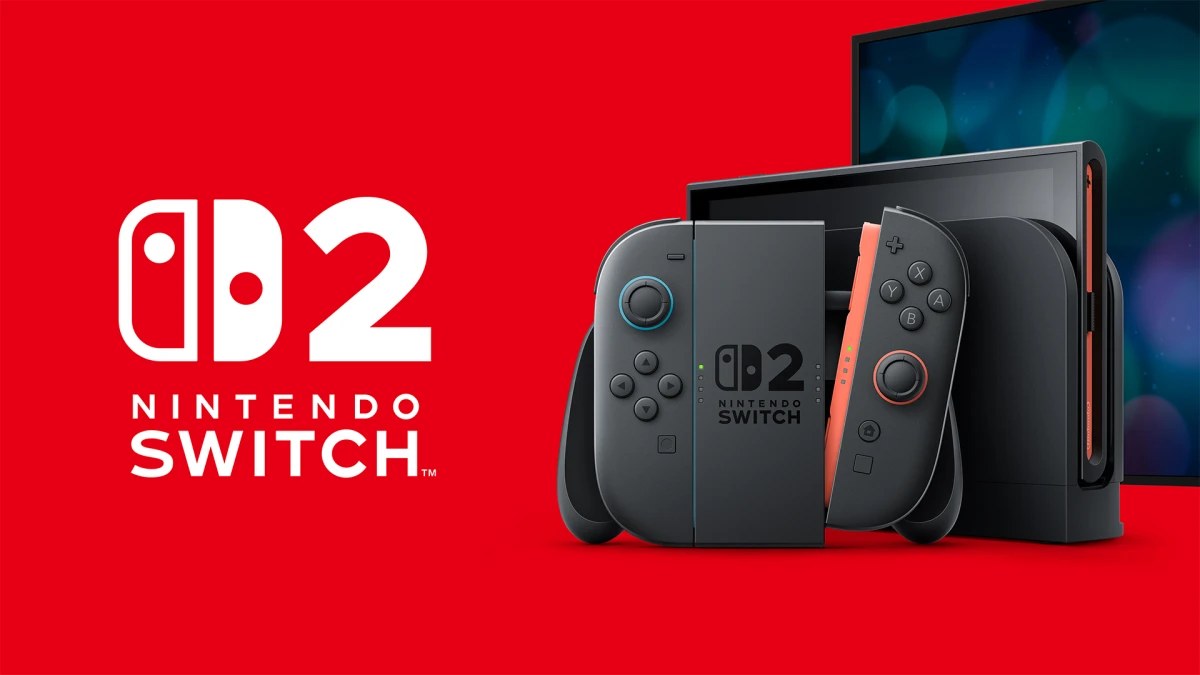
Handheld Mode Boost is a Switch 2 system-level setting that upscales and re-renders original Switch games to 1080p in handheld mode, instead of the sub-720p output the original hardware shipped with. The mechanism appears to be a combination of real-time resolution upscaling and additional GPU headroom — Switch 2 is effectively running the games the way they would have looked if the original Switch had been more powerful.
The feature works on the existing library without per-title updates. That is the key detail. Nintendo did not have to ask developers to ship patches, nor did they have to re-release the catalog. The emulation layer handles it at the system level, which means day-one Switch 2 owners are getting an improved version of every original Switch game they already own.
Switch 2's Handheld Mode Boost runs original Switch games at 1080p.
Why this is a bigger deal than the marketing suggests
The original Switch's handheld resolution was a real pain point for the eight years the console was in market. Zelda BOTW handheld looked meaningfully worse than docked. Xenoblade 3's text got hard to read at small sizes. Third-party ports ran at sub-720p dynamic resolutions that dropped into the 540-ish range during heavy scenes. Handheld Mode Boost fixes all of that at once, for the entire library, without requiring anything from the player.
Nintendo barely mentioned this at Switch 2's reveal. That is characteristic — they tend to under-sell features that are technically boring-sounding, even when the player-impact is large. But word-of-mouth on Handheld Mode Boost has been strong in the first weeks post-launch, and it is becoming one of the features that Switch 2 owners cite unprompted when explaining why the upgrade was worth it.
What this signals about Switch 2's backward-compat approach
The Handheld Mode Boost detail suggests Nintendo spent real engineering effort on making the original Switch library look and play better on Switch 2, rather than just running it at parity. That is a notable shift from their historical pattern — Nintendo has typically been minimalist about backward compatibility, giving you access to the old library but not actively improving it.
Switch 2 is different. The library improvements appear to include not just resolution upscaling but also reduced loading times, better thermal behavior during long handheld sessions, and more consistent frame pacing. Each of those is a small thing. Collectively, they make playing the original Switch library on Switch 2 feel like a legitimate upgrade rather than a nostalgia trip.
The long-tail implications for Switch 2's value proposition
Nintendo's pitch for Switch 2 always had to answer the question "why upgrade now, given how much of my library works on my existing Switch?" The new first-party titles answer part of it. Handheld Mode Boost answers the rest. Existing Switch owners are not just getting access to new games — they are getting a better version of the games they already own, automatically.
That calculus matters a lot for the holiday 2026 buying decision. For parents looking at a Switch-for-kids purchase, Switch 2 is now the default recommendation even if the household already has a Switch, because the original Switch library will look and run better. That is a distribution tailwind Nintendo did not have in the lead-up to the Switch 2 launch, and it is materially affecting sales curves.
What to watch as the library grows
The feature is currently system-level and covers the original Switch library. The question is whether it extends to future title updates — will Switch 2 patches for existing games also get additional enhancements beyond what Handheld Mode Boost delivers? Nintendo has not committed to a consistent policy, and different publishers are handling their Switch 2 patches differently.
The other open question is whether Handheld Mode Boost will eventually get tweaked for specific games. Right now it's a generic system-level enhancement. If Nintendo ships per-title profiles that push specific games to higher quality than the generic Boost can achieve, the backward-compat story gets even stronger. Watch for that kind of refinement over the next year.