Overview
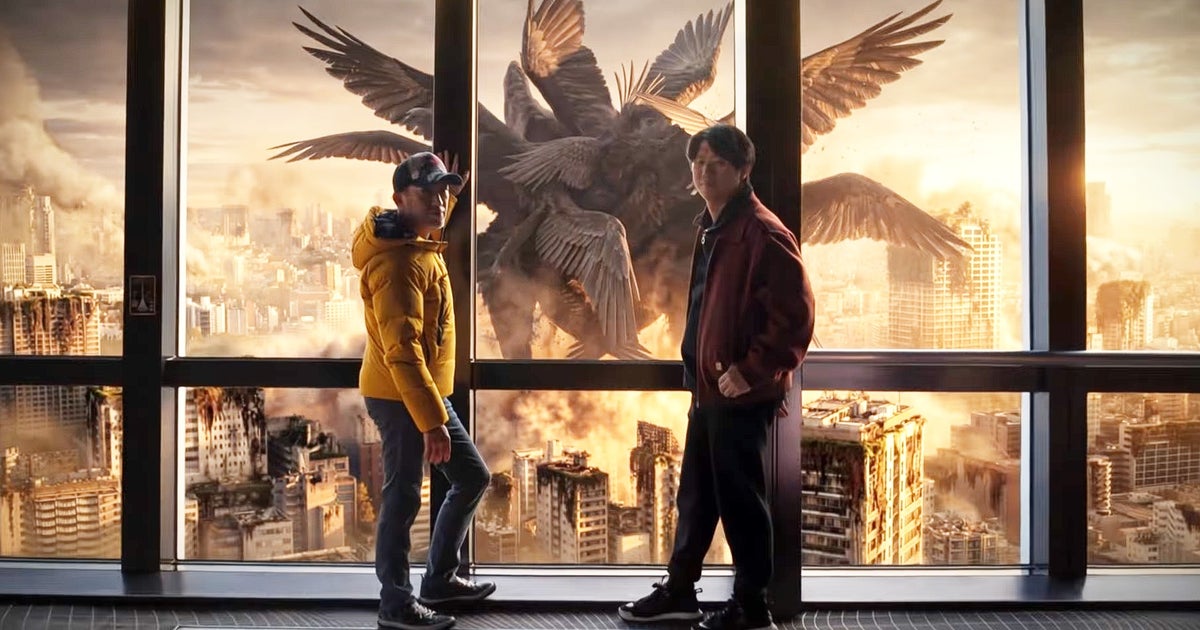
The development house responsible for the action sci-fi title Stellar Blade has completed a significant corporate maneuver, acquiring Unbound, the new studio helmed by Resident Evil creator Shinji Mikami. This move instantly repositions the acquiring entity within the global gaming landscape, signaling a deep commitment to genre expansion beyond high-octane action. The pairing represents a fascinating, potentially volatile fusion: the polished, modern spectacle of a AAA sci-fi blockbuster meeting the foundational, often claustrophobic tension of classic survival horror design.
This acquisition is not merely a financial transaction; it is a calculated creative gamble. It places the technical prowess and massive production budget of the Stellar Blade team directly alongside the decades of expertise that defined the Resident Evil franchise for a generation. Industry observers are already dissecting the potential synergy, recognizing that the combined entity possesses both the market appeal of a current-gen action IP and the deep, respected pedigree of a genre master.
The immediate implication is a potential overhaul of the acquiring studio's creative mandate. While Stellar Blade established the company as masters of visually stunning, combat-heavy gameplay, the addition of Unbound suggests a deliberate pivot toward mastering tension, resource management, and narrative dread—elements that defined Mikami's early work and remain cornerstones of the survival horror genre.
Merging AAA Polish with Horror Fundamentals
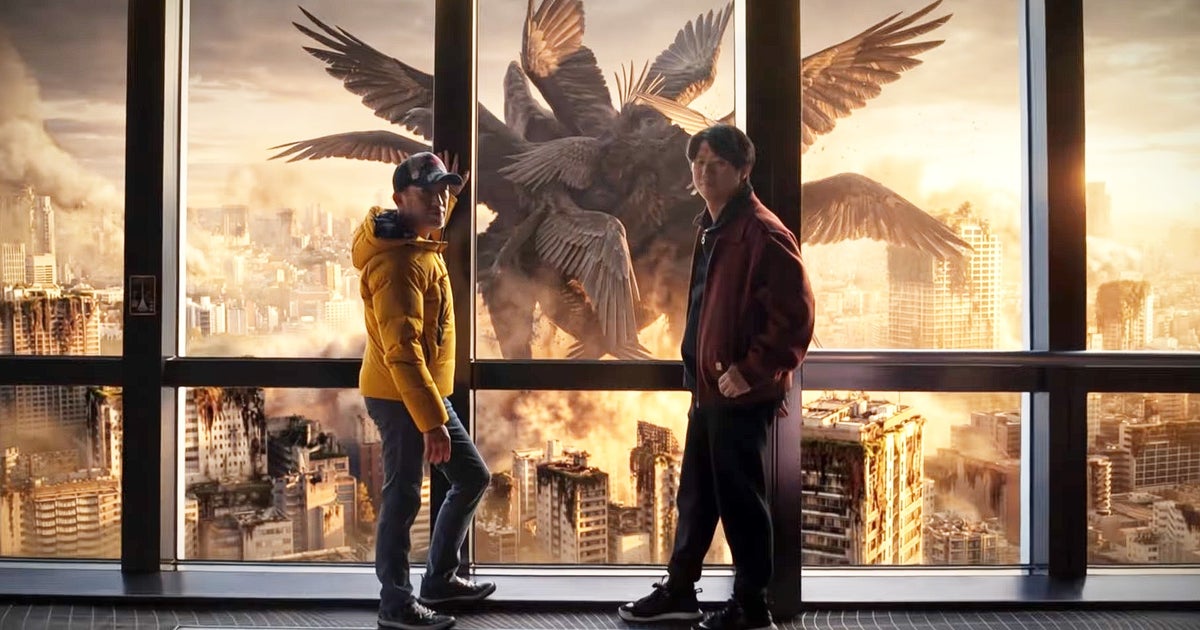
Merging AAA Polish with Horror Fundamentals
The technical capabilities of the Stellar Blade developer are undeniable. The title itself showcased a level of graphical fidelity and fluid, combat-focused mechanics that places it firmly among the industry's most ambitious action titles of the current generation. This studio excels at creating polished, high-stakes action experiences that demand cutting-edge engine utilization and sophisticated combat systems.
Shinji Mikami, conversely, built his career on a different set of principles. While Resident Evil has evolved dramatically, its enduring appeal rests on moments of vulnerability, limited resources, and the psychological dread of encountering the unknown. Unbound brings with it the institutional knowledge of how to build a genuinely terrifying experience, one that prioritizes atmosphere and puzzle-solving over sheer combat throughput.
The challenge, and the opportunity, lies in the synthesis of these two philosophies. Can the polished, acrobatic combat loop designed for Stellar Blade's scale be effectively married to the confined, resource-scarce environments that Mikami’s design ethos favors? The potential outcome is a genre-bending title: a survival horror experience that retains the visceral, modern action feel expected of a major AAA release, but grounds it in the meticulous, tension-building structure of classic horror.
The Resurgence of Classic Horror Design
The industry has seen a cyclical pattern of horror design. After the open-world, action-heavy interpretations of the genre, there has been a noticeable, and perhaps overdue, appetite for the more contained, puzzle-driven horror that defined the genre's golden age. Mikami's involvement is a direct response to this market craving.
By acquiring Unbound, the Stellar Blade developer is essentially buying a master class in tension. This expertise is invaluable in an industry where IP fatigue is a constant threat. It suggests that the studio recognizes that simply having a beautiful engine and a skilled combat director is insufficient; true longevity requires a deep understanding of what makes a player genuinely afraid.
The focus shifts from spectacle to systemic dread. The implication is that future projects under the combined umbrella will likely feature a more pronounced emphasis on environmental storytelling, enemy design that forces tactical retreat rather than aggressive confrontation, and narrative structures that reward careful exploration and puzzle-solving. This is a significant departure from the open-ended combat focus that defined the initial Stellar Blade marketing.
Strategic Implications for IP Development
From a business standpoint, the acquisition is a masterstroke in talent and IP acquisition. It allows the Stellar Blade developer to instantly diversify its portfolio and mitigate the risk associated with relying on a single, highly polished action IP. By securing Unbound, they are not just buying a studio; they are acquiring a decades-long relationship with one of gaming's most respected creative minds.
This move signals a maturation of the developer's corporate strategy. They are moving beyond the "hit-and-run" cycle of developing one massive, successful title. Instead, they are building a sustainable creative engine capable of servicing multiple, distinct genres. The ability to pivot between sci-fi action and survival horror demonstrates a high level of creative confidence and financial backing.
Furthermore, the acquisition positions the combined entity as a major player capable of competing not just with other AAA action studios, but with the specialized, high-quality horror houses that have historically defined the genre. The message to competitors is clear: the developer is serious about genre mastery, not just graphical fidelity.