Overview
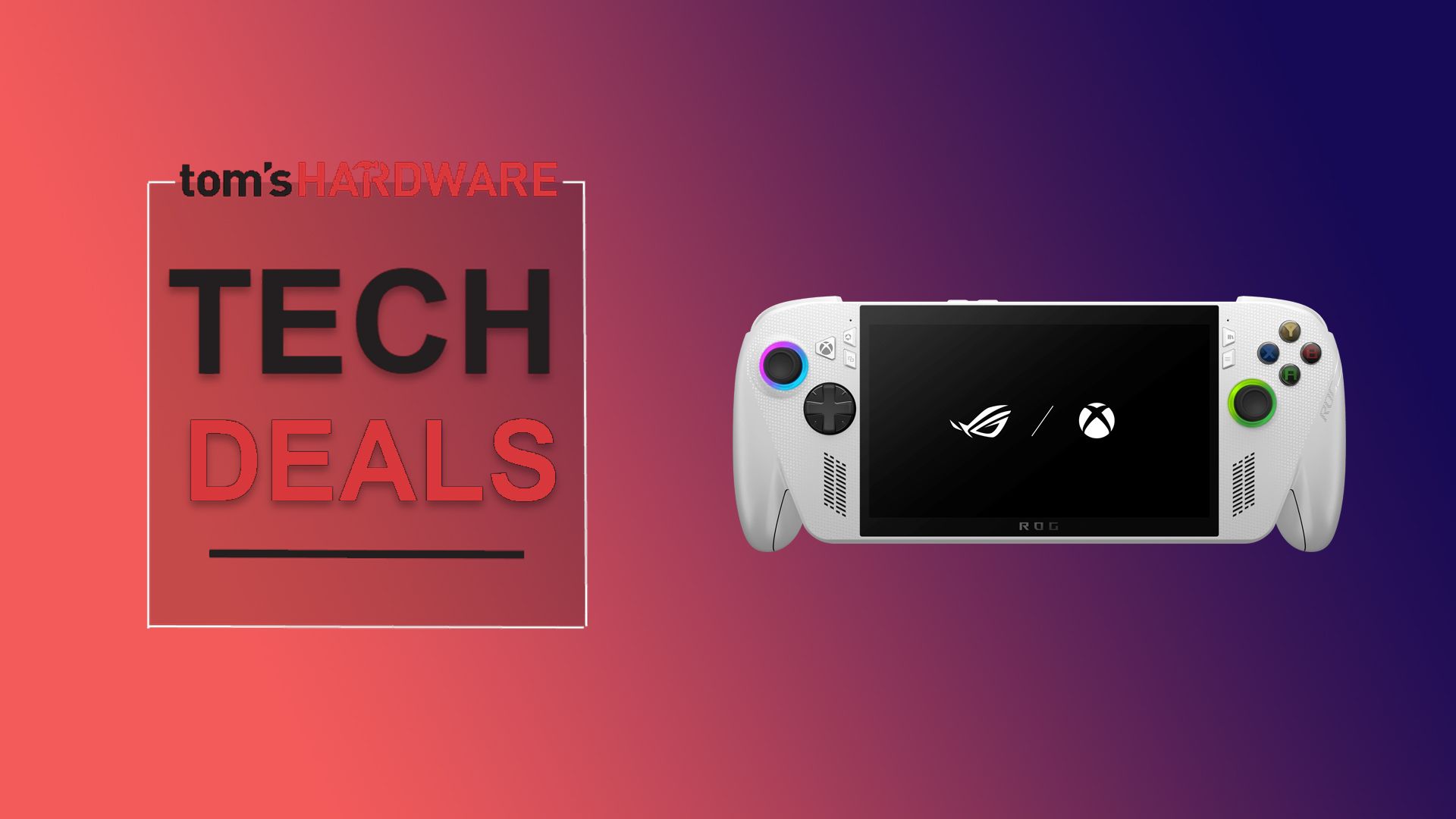
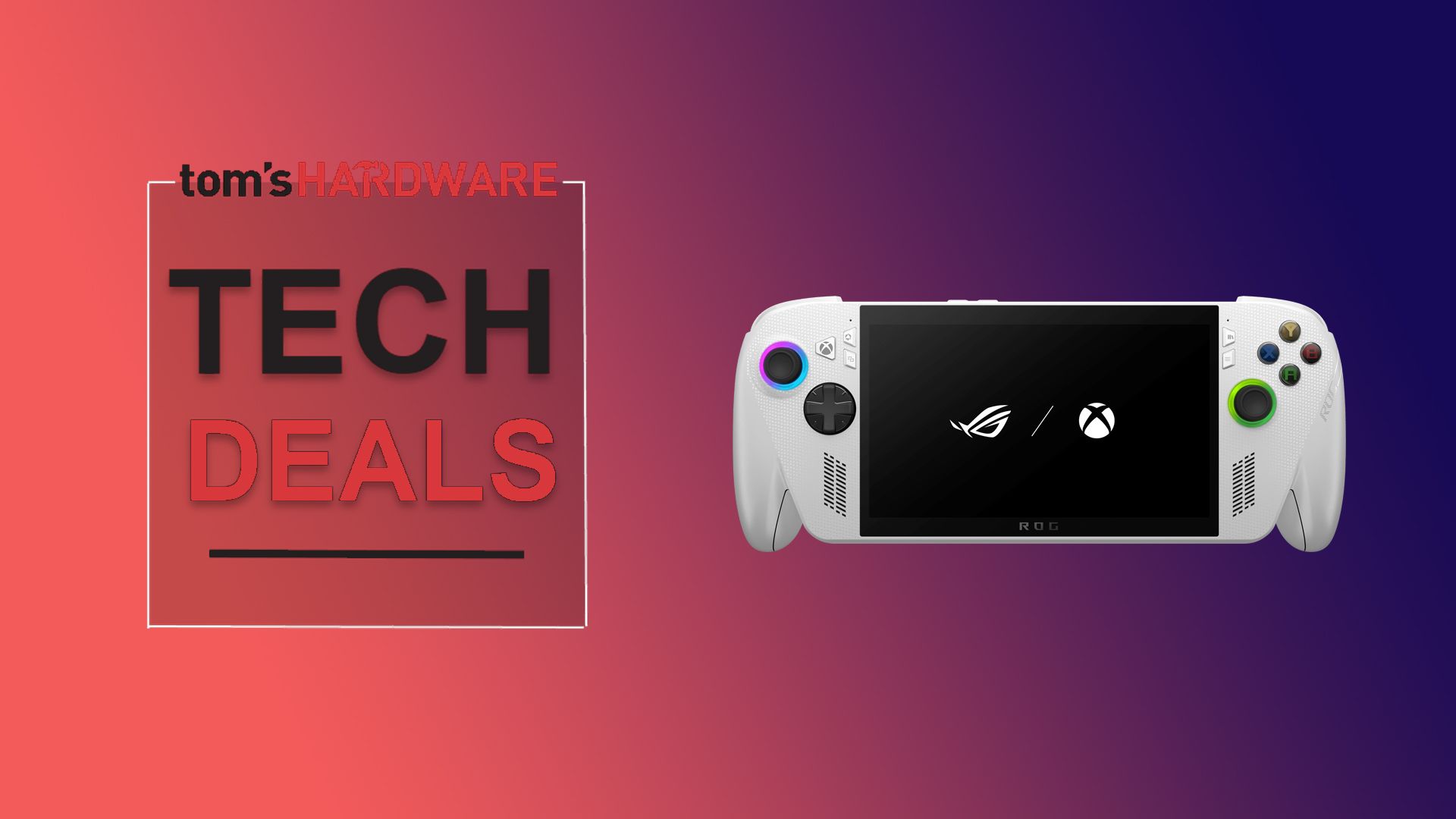
The ROG Xbox Ally handheld has returned to a highly competitive price point, dropping below the $500 threshold after a $100 discount. This specific configuration, featuring the Ryzen Z2 A processor and 16GB of RAM, represents a significant value proposition for enthusiasts looking to enter or upgrade their portable PC gaming setup. The accessibility of this hardware combination makes high-fidelity gaming outside of a traditional desktop tower a much more viable option than previously thought.
The hardware specifications—particularly the combination of the Z2 A chip and the generous 16GB of system memory—are key differentiators. While many handhelds focus on raw portability or specific operating system compatibility, this particular model aims for broad PC compatibility, running Windows and supporting a wide array of AAA titles that demand substantial processing power.
This pricing shift fundamentally alters the entry barrier for premium handheld gaming. For those who require the flexibility of a full Windows environment coupled with the power of modern AMD architecture, the current discount makes the Ally a serious contender against established rivals in the portable computing space.
The Hardware Value Proposition of the Z2 A Configuration
The Hardware Value Proposition of the Z2 A Configuration
The core appeal of this particular Ally build centers on its balance of power and cost. The inclusion of 16GB of RAM is particularly noteworthy in the current market, where many competing handhelds often default to 8GB or less. For modern Windows-based gaming, 16GB of memory is increasingly becoming the minimum recommended standard, ensuring that the system can handle background processes, complex operating system overhead, and demanding game assets simultaneously without immediate throttling.
The Ryzen Z2 A processor is designed to deliver robust performance within a compact chassis. While its performance metrics must always be evaluated against thermal limitations and specific game optimizations, the architecture provides the necessary computational muscle to run demanding titles at playable frame rates. The $100 reduction effectively makes the total cost of ownership highly attractive, especially when factoring in the premium nature of the components and the build quality associated with the ROG line.
This configuration moves the Ally away from being a niche, enthusiast-only gadget and places it firmly into the category of a mainstream, high-performance portable PC. Buyers are not merely acquiring a gaming device; they are acquiring a highly capable, portable Windows machine optimized for gaming workloads.
Navigating the Competitive Handheld Landscape
The handheld gaming market has become intensely saturated, with major players like the Steam Deck, ASUS ROG, and Lenovo all vying for market share. The ROG Ally’s continued relevance, especially at this price point, forces a re-evaluation of what constitutes "best in class" for the average user.
Where some competitors prioritize a closed, optimized ecosystem (such as SteamOS on the Steam Deck), the Ally’s commitment to Windows 11 offers unparalleled flexibility. This means the device can run non-gaming applications, interact with specialized peripherals, and utilize the full breadth of the PC ecosystem. For users who need their handheld to function as a secondary portable workstation and a gaming rig, this Windows compatibility is a critical advantage that cannot be overlooked.
Furthermore, the performance profile of the Z2 A, when paired with 16GB of RAM, suggests a strong focus on sustained performance rather than just peak burst speed. This stability is crucial for long gaming sessions, minimizing the risk of stuttering or unexpected performance dips that plague less robustly configured portable devices. The pricing discount further tips the scales, making the Ally’s feature set difficult to match in the current market climate.
The Future of Portable PC Gaming
The trend toward powerful, highly portable gaming hardware is not a fad; it represents a permanent shift in how consumers consume high-fidelity entertainment. The increasing power of mobile chipsets, coupled with improved cooling solutions in handheld form factors, has made this shift inevitable.
The Ally, at this price point, acts as a powerful indicator of where the market is heading. It suggests that high-end gaming experiences, once confined to expensive desktop towers, are rapidly becoming democratized and mobile. Developers and hardware manufacturers are responding to the demand for true portability, pushing boundaries in battery efficiency and thermal management.
The 16GB RAM configuration is a clear signal that the industry acknowledges the increasing complexity of modern operating systems and games. Future handhelds will likely continue to follow this trend, requiring more memory and more powerful, efficient CPUs to keep pace with AAA titles that are becoming increasingly resource-intensive. The current deal on the Ally positions it as a reliable entry point into this evolving, powerful segment of computing.