Celebrating Thirty Years of Resident Evil Horror
Resident Evil. Thirty years. It’s a milestone that deserves more than just a polished, high-budget remake. The franchise is arguably at its peak cultural relevance right now, dominating conversations about survival horror and Capcom’s own gaming history. But as the hype machine builds toward the 30th anniversary, a critical question remains: is Capcom content to just keep polishing the modern canon?
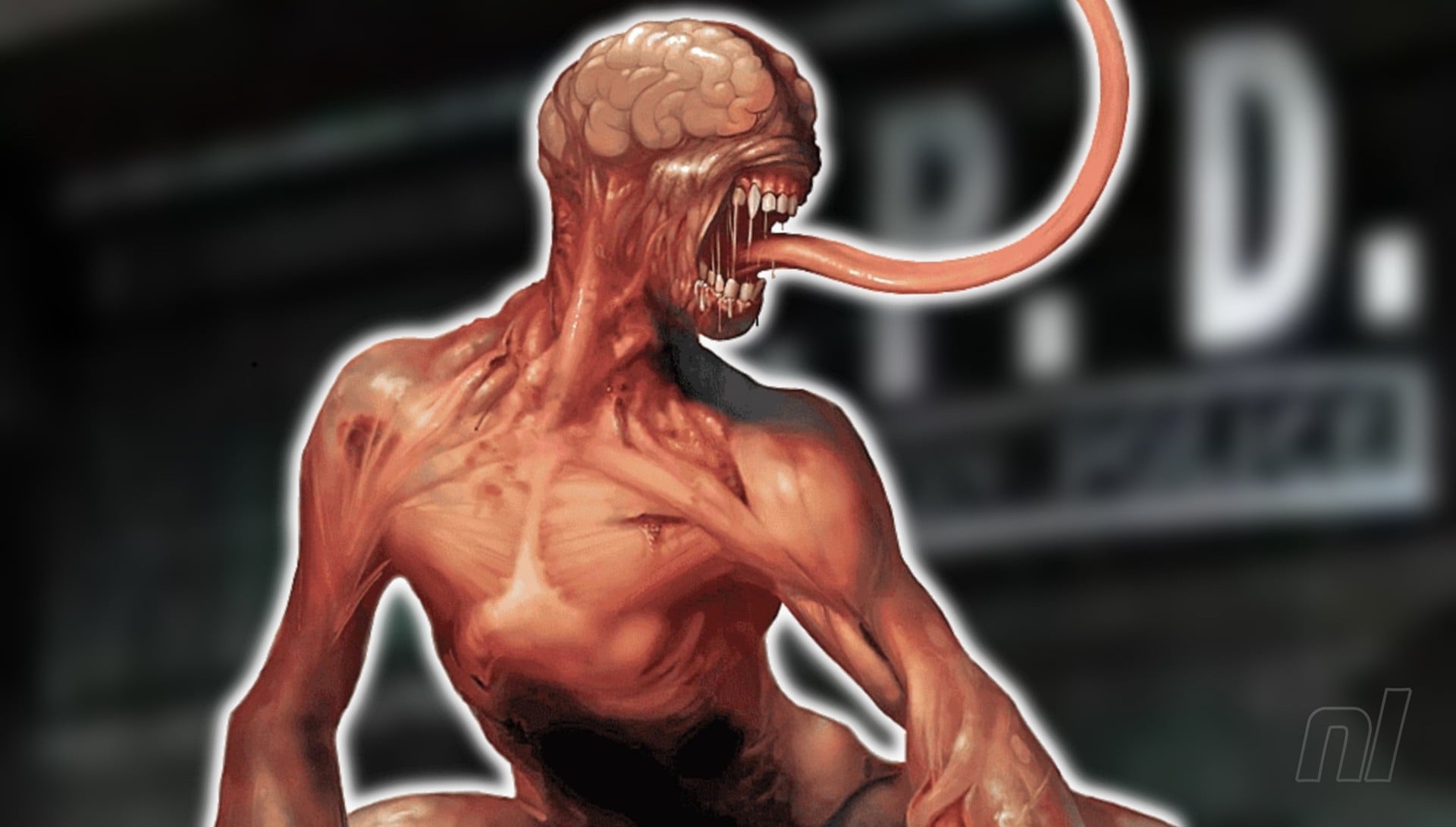
The truth is, the series is a tapestry woven from multiple eras. You have the terrifying, low-poly, fixed-camera genius of the original PlayStation titles. You have the slick, modern terror of the RE Engine masterpieces. And then you have the forgotten, brilliant spin-offs that defined the genre in the late '90s.
For the savvy gamer who remembers the original shock of the Spencer Mansion or the sheer mechanical depth of the PS1 trilogy, the current trajectory feels incomplete. We've seen the big hits get updated, but the entire historical library—the titles that built the foundation—are still locked in time. It's time for Capcom to look beyond the engine upgrade and acknowledge the full scope of the RE legacy.
The original Resident Evil trilogy, launched in 1996, wasn't just a game; it was a cultural moment.

The Case for the Originals: Why the PS1 Era Matters
The original Resident Evil trilogy, launched in 1996, wasn't just a game; it was a cultural moment. It established the rules of survival horror and proved that tension could be achieved through limited resources and claustrophobic design.
While the modern remakes are technically superior, they are, by necessity, focused on the remake of the original vision. They are polished, yes, but they are still fundamentally built upon the mechanics and narrative beats of the original three-dimensional experience. The original PS1 titles, however, offer something more valuable: an unfiltered snapshot of Capcom's initial, foundational vision.
These early games are crucial because they capture the spirit of the late '90s gaming landscape—a time when genre boundaries were being aggressively pushed. Playing them is like time-traveling to the genesis of the genre. They are messy, they are dated, and they are wonderfully imperfect. They provide the raw, unadulterated blueprint that the modern entries, by their very nature of being hyper-modern, can never fully replicate.
Beyond the Mainline: The Forgotten Spin-Offs
If the original trilogy is the backbone, the spin-offs are the sinews. This is where the argument gets particularly strong.
When we talk about revisiting the classics, we aren't just talking about the core three. We are talking about the entire ecosystem of titles that fleshed out the world of Umbrella and the T-Virus. Titles like Resident Evil: Outbreak, Gaiden, and Survivor were essential parts of the narrative puzzle. They explored different facets of the bio-threat, giving the franchise a breadth that the mainline entries alone could never achieve.
These spin-offs are the historical deep cuts. They are the proof that the RE universe was vast, complex, and far more sprawling than just the Raccoon City incident.