Overview
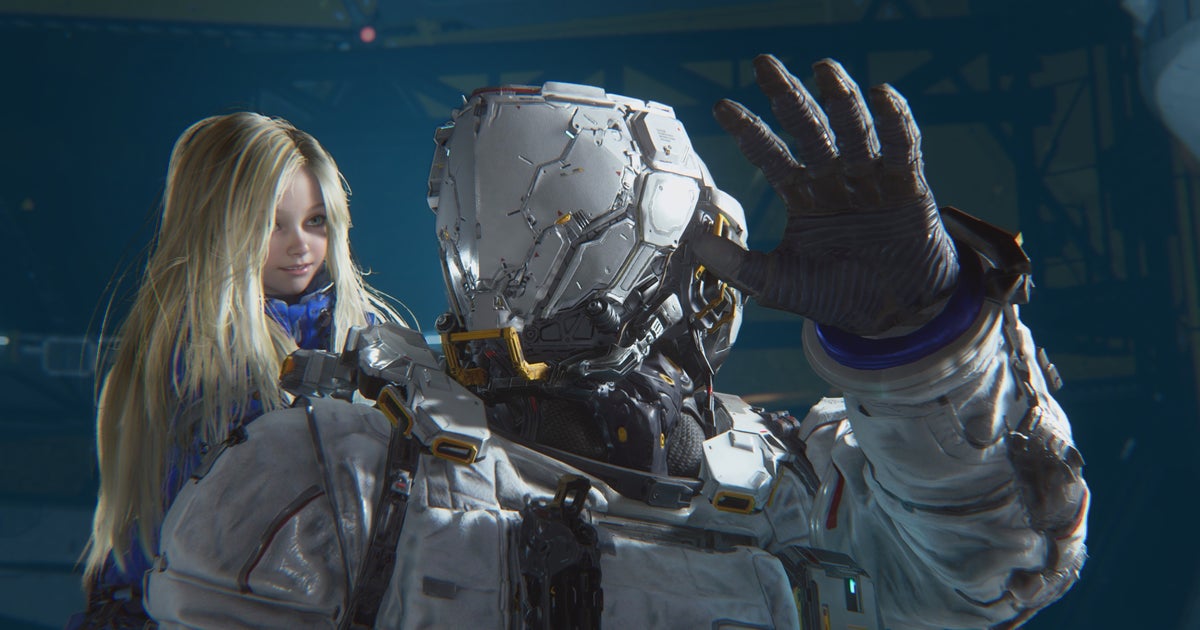
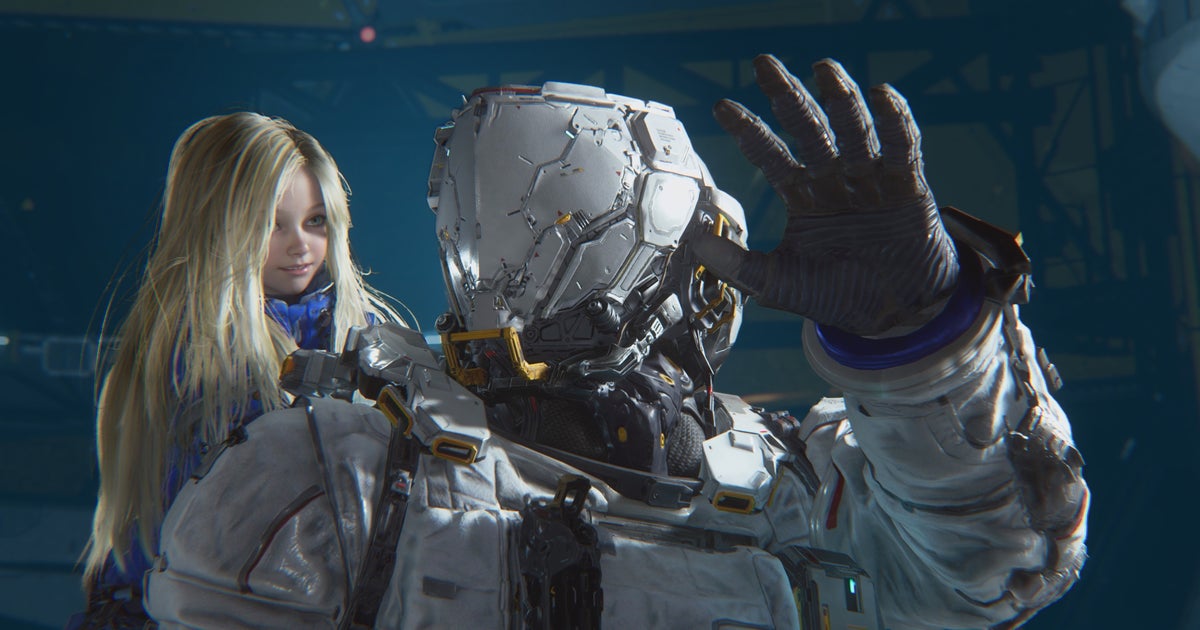
Capcom’s Pragmata is a sprawling, ambitious sci-fi shooter that demands player investment, refusing to offer easy comfort. The game positions itself as a return to the cinematic, over-the-top action that defined certain eras of the genre, setting itself against the backdrop of a massive, explorable world. It is a title that does not pull punches, presenting a blend of mechanics and narrative choices that will inevitably divide its audience.
The core premise involves traversing a highly detailed, futuristic setting while engaging in visceral combat that requires more than simple trigger-pulling. Developers have clearly aimed for a synthesis of different action genres—from third-person shooters to character action—resulting in a mechanical tapestry that is both complex and occasionally overwhelming. The sheer scope of the world, combined with the depth of its combat system, suggests a commitment to creating a modern, AAA blockbuster experience.
This is not a game designed for casual play. Pragmata challenges the player with its systemic approach to combat and its sprawling environment, forcing players to adapt to a diverse set of gameplay loops. The resulting experience is one of high peaks and deep valleys, solidifying its status as a polarizing, yet undeniably significant, entry into the modern shooter landscape.
The Mechanics of Conflict and Exploration
The Mechanics of Conflict and Exploration
The combat system is the most immediately noticeable element of Pragmata, moving far beyond the simple cover-shooter formula. Capcom has built a framework that emphasizes both ranged firepower and close-quarters, visceral melee engagement. Players are given a robust arsenal of weaponry, each with unique properties that encourage tactical variety rather than reliance on brute force.
Traversal within the game world is equally demanding. The setting encourages exploration, rewarding players who deviate from the main path with unique resources, side objectives, and narrative depth. The integration of these elements means that the world itself is not merely a backdrop but an active component of the gameplay loop. This focus on environmental interaction and systemic combat suggests a deliberate move away from linear action, favoring instead a more open-ended, sandbox feel.
This mechanical ambition, however, comes with a steep learning curve. Mastering the interplay between various combat modes—managing energy resources, switching between weapon types, and utilizing environmental cover—requires significant player attention. The game rewards those who treat it like a complex simulation, rather than a simple arcade shooter.
Building a Sci-Fi Ecosystem
The world-building in Pragmata is a key component of its appeal, establishing a convincing, if sometimes overwhelming, sci-fi ecosystem. The narrative framework grounds the action in a plausible, high-tech future, utilizing advanced weaponry and futuristic infrastructure to create a sense of scale.
The level of detail in the environments is notable, suggesting a significant investment in asset creation and world design. From the sprawling metropolitan areas to the more desolate, industrial zones, the visual variety helps maintain immersion. This commitment to world-building elevates the experience beyond mere combat encounters; the setting becomes a character in itself.
Capcom appears to be leveraging its expertise in creating compelling, high-stakes action narratives. The sci-fi setting allows for a degree of creative freedom, enabling the developers to introduce outlandish technology and combat scenarios without sacrificing a sense of grounded, military realism. The game successfully merges the spectacle of a blockbuster film with the interactive demands of a modern action RPG.
The Future of Open-World Action Shooters
Pragmata exists at an interesting crossroads in the gaming industry, attempting to reconcile the freedom of open-world design with the tight, moment-to-moment action of a dedicated shooter. This challenge is one that many modern titles struggle with, often resulting in either mechanical bloat or narrative emptiness.
By focusing on a highly structured, yet expansive, world, Pragmata attempts to carve out a unique niche. It suggests that the next generation of open-world action titles must find a deeper synergy between exploration and combat mechanics. The game’s commitment to a complex system of progression and interaction sets a high bar for its competitors.
The reception to the title will likely determine the viability of this specific design philosophy. If the core mechanics are polished and the world feels genuinely reactive, Pragmata could establish a new benchmark for the genre. If the systems feel too disjointed or the scope too unwieldy, the ambition may prove to be its undoing.