Overview
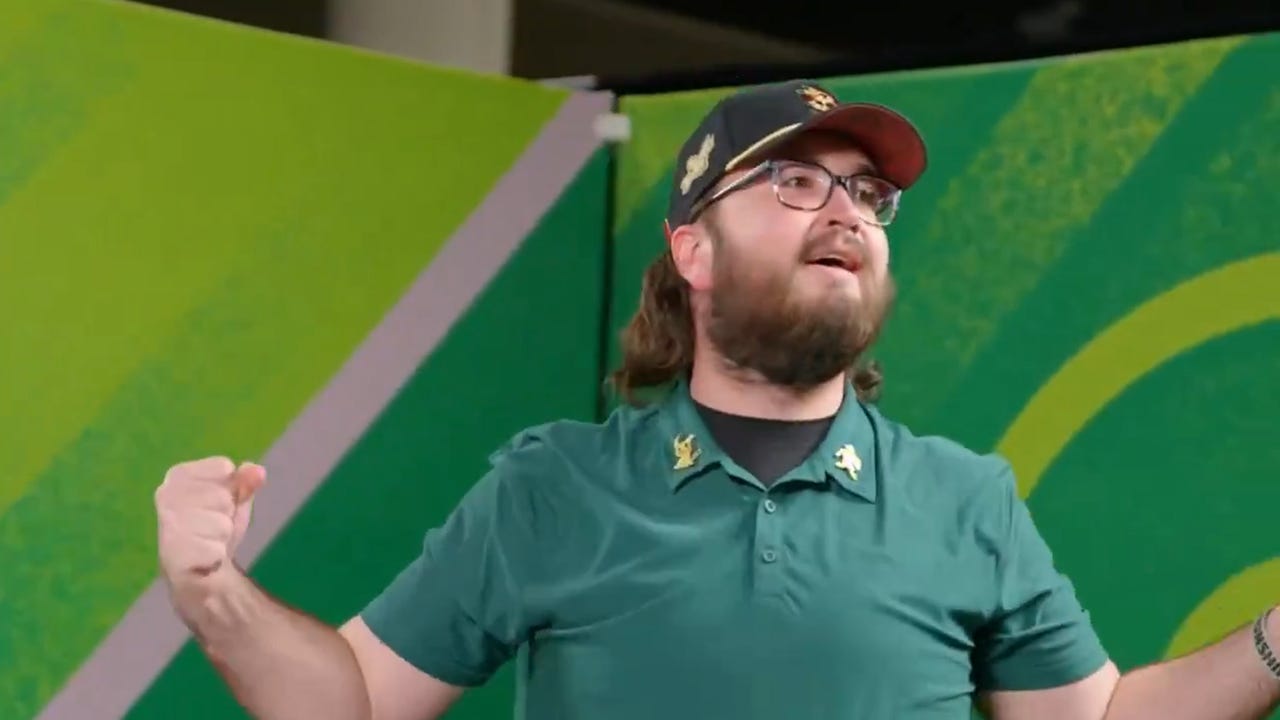
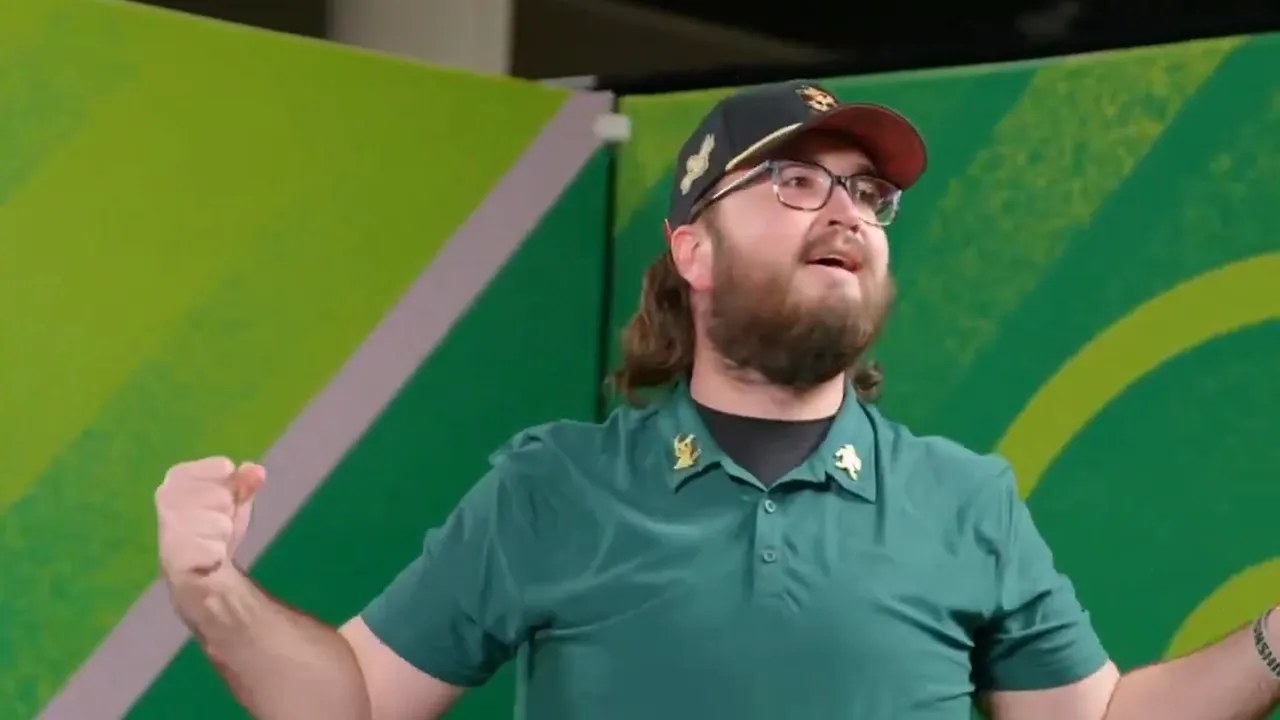
A professional Pokémon Go player has publicly announced his intent to challenge the Pokémon Company’s decision that stripped him of a recent championship title. The disqualification was levied after an incident deemed an "unsportsmanlike celebration" during a high-stakes tournament. The situation immediately drew scrutiny to the often nebulous line between competitive spirit and corporate rule enforcement within the rapidly growing field of mobile esports.
The core of the dispute centers on the interpretation of conduct rules. While the player maintains that his actions were merely celebratory and did not violate the spirit of the competition, the governing body cited specific behavioral guidelines. Such disputes are not uncommon in professional gaming, but when the governing body is also the primary corporate entity controlling the intellectual property, the stakes and the potential for systemic bias increase dramatically.
This controversy forces a deeper examination of how competitive integrity is maintained in games where the corporate owner holds ultimate authority. The player’s claim that he holds "no ill will" suggests the dispute is rooted in a disagreement over rules and fairness rather than personal animosity, framing the conflict as a battle over the definition of professional conduct in the digital age.
The Specifics of the Disqualification Dispute
The Specifics of the Disqualification Dispute
The incident leading to the title strip occurred during a major championship event, placing the player and the governing body under intense public and media observation. While the specific details of the alleged unsportsmanlike conduct have been kept somewhat vague by the involved parties, the implication is clear: a moment of emotional excess crossed a line defined by corporate policy.
Competitive gaming, particularly in a title as globally recognized as Pokémon Go, requires an intricate balance between raw skill and adherence to strict behavioral codes. The rules are designed to protect the integrity of the competition, but critics often argue that these rules are applied inconsistently, especially when dealing with high-profile athletes. The player's challenge suggests that the rule enforcement was either overly punitive or lacked sufficient contextual understanding of the moment.
The implications extend beyond just the loss of a title. It touches upon the fundamental structure of mobile esports—who sets the rules, who enforces them, and who has the ultimate recourse when a professional athlete feels wronged. The player’s decision to fight the ruling, despite the potential professional fallout, signals a deep commitment to what he perceives as his right to compete under fair and consistently applied guidelines.
The Broader Context of Esports Governance
The Pokémon Go circuit, like many major esports, operates under a unique governance structure. Unlike some third-party esports titles where independent leagues or massive venture capital groups often dictate the rules, the foundational IP and operational control remain tightly linked to The Pokémon Company. This structure provides unparalleled brand consistency but simultaneously creates a single point of failure regarding competitive fairness.
When the corporate entity that owns the game is also the ultimate arbiter of the competition's rules, disputes inevitably become fraught with complexity. The challenge faced by this player is less about the specific celebration and more about the precedent it sets regarding the power dynamic between the professional player and the corporate rulebook.
Historically, major esports have seen rule changes and disciplinary actions that have been highly controversial. Players often argue that the rules are written to protect the brand image and the commercial viability of the game, sometimes at the expense of the raw, unpredictable passion of the competition itself. The player's fight, therefore, becomes a microcosm of the ongoing tension between artistic, human expression in competition and the need for rigidly controlled, marketable spectacle.
Industry Implications and Precedent Setting
The outcome of this dispute could establish a significant precedent for professional gaming athletes across multiple titles. If the player is successful in overturning the disqualification, it could signal a greater degree of latitude for emotional expression in competitive play, forcing governing bodies to refine their definitions of "unsportsmanlike."
Conversely, if the ruling stands, it reinforces the idea that the corporate owner maintains absolute final authority over conduct, regardless of the perceived intent or emotional context of the action. This strengthens the hand of the governing body and potentially chills the spontaneous, passionate element that defines much of the gaming experience.
Industry observers are watching closely, noting that the handling of this case will be scrutinized by other competitive circuits. The need for transparent, third-party arbitration in such high-stakes disciplinary actions is a recurring theme in the discussion of esports maturity. For the professional player, this is not just about a title; it is about defining the professional boundaries of the sport itself.