Overview
The initial competitive circuit of Pokémon Champions confirms that the established competitive meta is deeply entrenched, defying expectations of a fresh start. Despite the hype surrounding the battle simulator, the data from the first tournament shows that veteran strategies continue to dominate, suggesting that the competitive landscape is far from volatile.
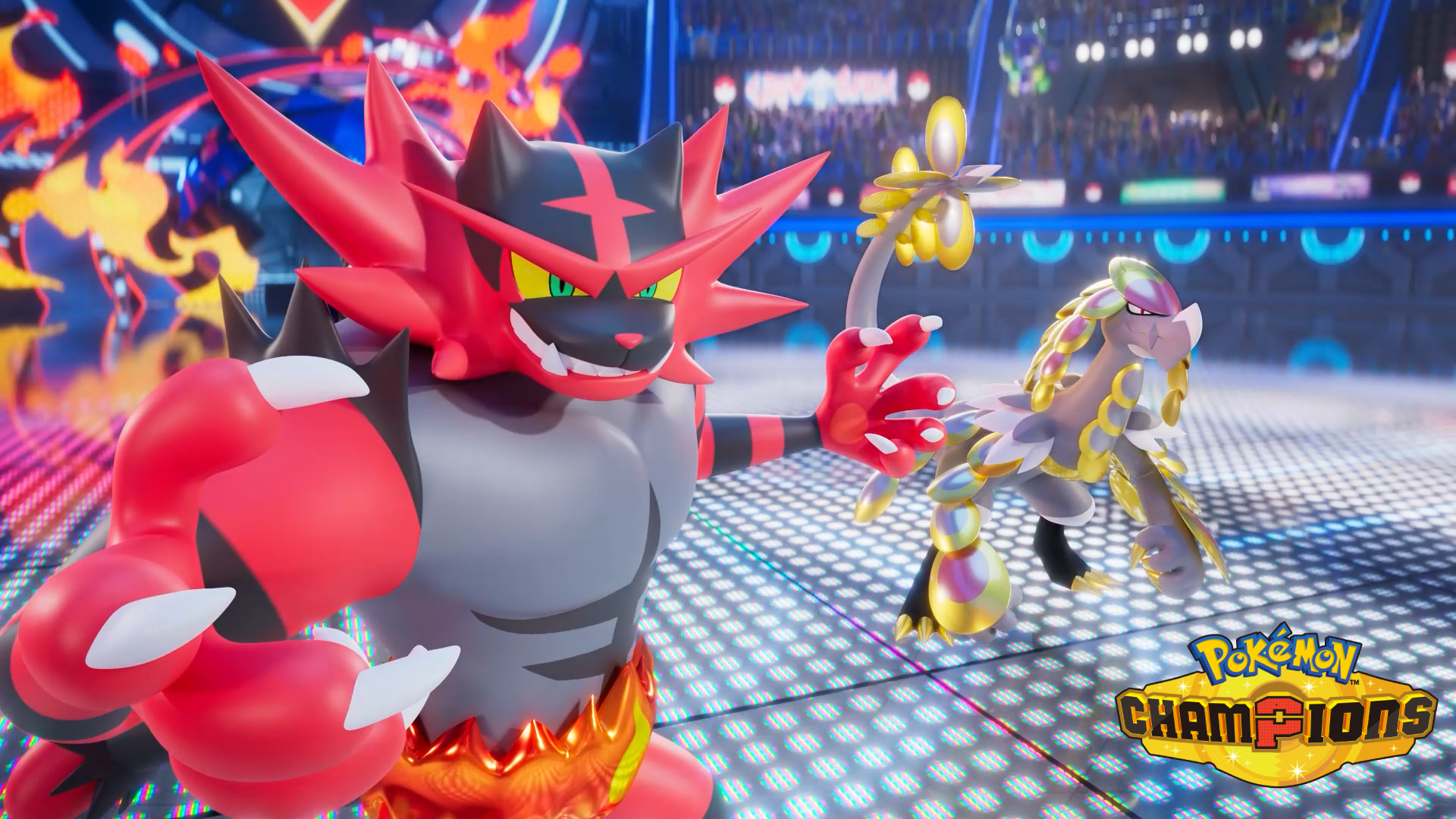
Data collected from the April 8 tournament, which featured over 500 participants, placed Incineroar—the fire/dark type—at the apex of usage. The wrestling type secured a massive 53.76 percent usage rate among the top ten most-used Pokémon, a figure that speaks to its immediate and widespread adoption in double battles. While Sneasler ranked second with a 36.84 percent pick rate, Incineroar’s dominance was undeniable, establishing a clear benchmark for the game’s current competitive viability.
The top ten usage list is not a surprise to those familiar with the competitive Pokémon scene, featuring names like Sinistcha, Garchomp, Kingambit, and Tyranitar. This overlap between the in-game tournament usage and the overall online usage suggests that the community is relying on known, proven powerhouses rather than embracing the novelty of the simulator.
The Statistical Reality of Competitive Dominance
The Statistical Reality of Competitive Dominance
The raw numbers from the first tournament paint a picture of optimized, high-support strategies rather than revolutionary gameplay. Incineroar’s ability to maintain such a high usage rate stems from its utility toolkit, which provides multiple avenues for team integration. Its Intimidate ability, which lowers enemy attack stats, remains a foundational defensive pillar. Paired with Fake Out for stalling or Parting Shot for weakening opponents and enabling safe swaps, the Pokémon offers a level of flexibility that few other contenders can match.
While Sneasler demonstrated a higher win rate at 51.38 percent compared to Incineroar’s 49.89 percent, the sheer volume of Incineroar’s usage speaks to its reliability and foundational role in team building. The fact that Incineroar was featured in more than half of the competitors’ teams during the inaugural event solidifies its status as a mandatory inclusion.
The top-performing roster, which included Basculegion, Kingambit, and Whimsicott alongside the heavy hitters, suggests that the competitive community is prioritizing reliable synergy over sheer novelty. The meta is not built on a single gimmick; it is built on established archetypes that Incineroar excels at facilitating.
Analyzing the Persistence of the Status Quo
The competitive Pokémon space has a history of rapid meta shifts, yet the initial data from Champions suggests a notable resistance to change. The top ten list is heavily populated by Pokémon that have proven themselves in previous generations, a pattern that often occurs when a new system is launched without sufficient player education or systemic shake-up.
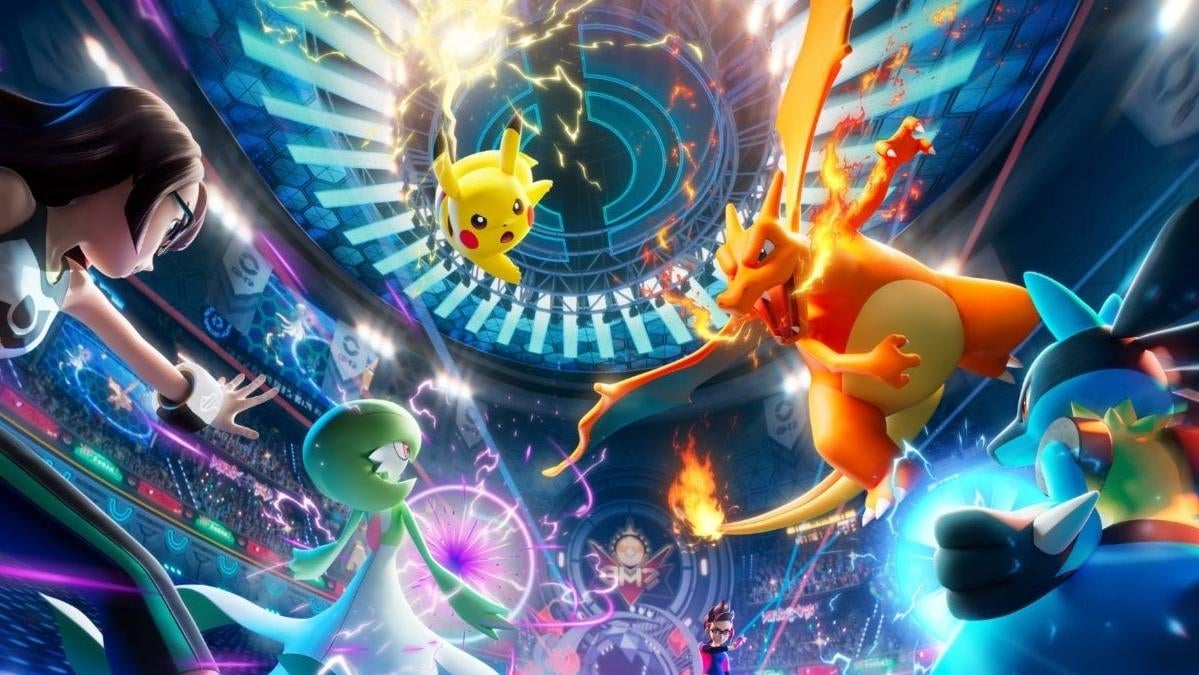
The inclusion of Pokémon like Tyranitar, Garchomp, and Charizard in the top usage lists confirms that players are defaulting to familiar, powerful combinations. These are not Pokémon that require players to learn a brand-new competitive framework; they are simply the best tools for the existing framework.
This reliance on established favorites raises questions about the depth of the simulator itself. If the most successful strategies are those that simply optimize existing, known power levels, the value proposition of a new battle simulator diminishes. The meta is not being dictated by the mechanics of the game; it is being dictated by the meta of the franchise.
Navigating the Launch Curve and Technical Hurdles
The launch of Pokémon Champions was not without significant technical friction. The game debuted with notable bugs, including an issue that trapped Pokémon in limbo during transfers from the Home storage app to the battle simulator. The Pokémon Company issued an apology and subsequently held a maintenance period to address known issues.
While the development team is clearly addressing these launch-day hiccups, the immediate focus of the player base remains squarely on optimizing the competitive ladder. The community’s rapid absorption of the game’s systems, despite the bugs, demonstrates a deep commitment to the competitive aspect of the franchise.
The early data indicates that the core competitive loop—building a team around a highly versatile, high-utility centerpiece like Incineroar—is the most efficient path to success. Until the developers introduce a mechanic that fundamentally disrupts these established power curves, the meta is unlikely to deviate significantly from its current trajectory.