Overview
The early access period for the free-to-play title Pokémon Champions has drawn a predictable but pointed wave of criticism from the dedicated fanbase. Instead of celebrating a new entry into the Pokémon ecosystem, many players are pointing to glaring structural gaps, suggesting the experience feels less like a full launch and more like an unfinished beta test. The complaints center on a combination of limited content, technical performance concerns, and a roster that fails to meet the expectations set by previous mainline titles.
These critiques suggest that while the core concept of a free-to-play, competitive Pokémon experience holds massive market potential, the current implementation is struggling to justify its scope. Industry observers note that the title is attempting to carve out a niche in a highly saturated gaming landscape, a feat that requires more than just a basic framework.
The conversation has quickly shifted from excitement over the free access model to a detailed examination of what is missing. Specific complaints regarding underdeveloped gameplay mechanics and technical instability have forced developers and publishers to address whether the game is truly ready for a wide-scale release, or if it is merely a placeholder designed to capture early interest.
Limited Content and Missing Core Mechanics
Limited Content and Missing Core Mechanics
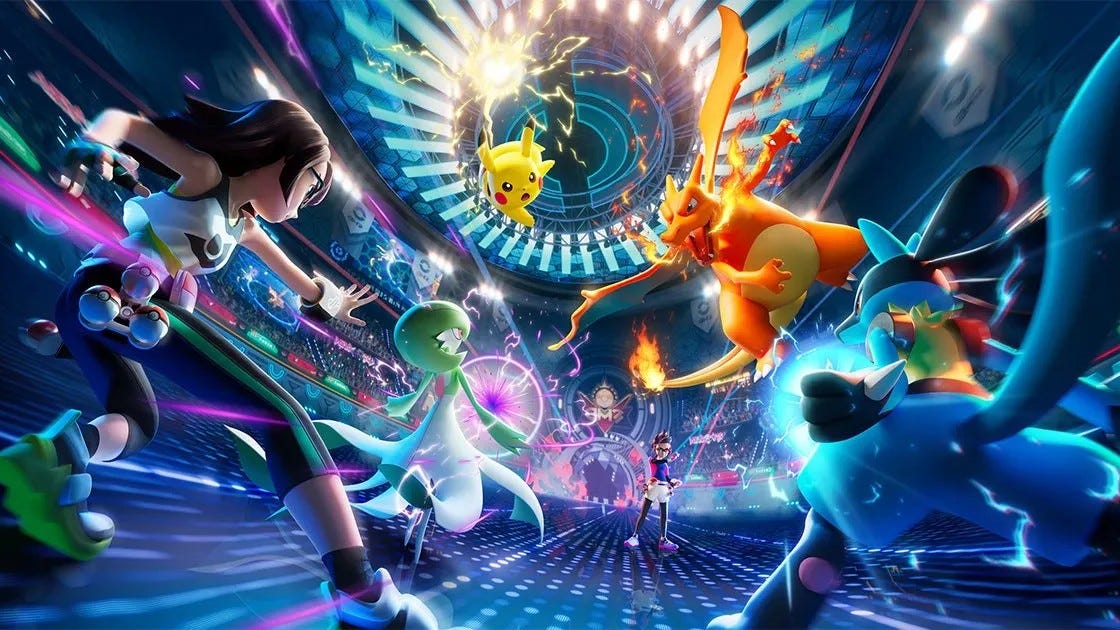
A primary point of contention revolves around the sheer scope of the game’s content. While the roster of available Pokémon is functional, critics argue that the pool is too restricted to support deep, long-term gameplay. The expectation for a flagship Pokémon title is access to the full spectrum of the franchise’s history, and the current limitations feel artificially imposed.
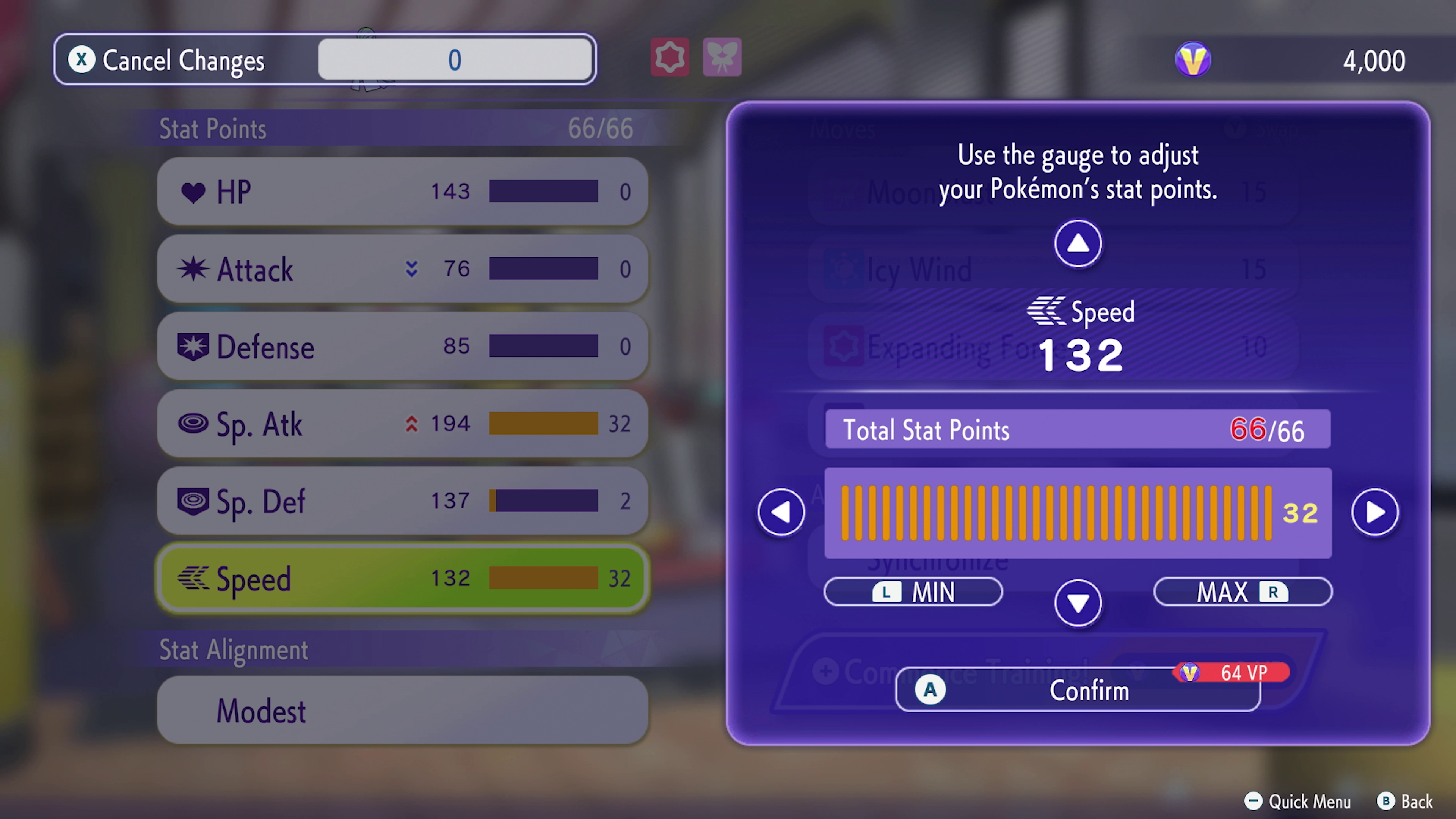
Furthermore, the criticism extends beyond just the number of available creatures. Players have highlighted missing features that are integral to the Pokémon experience. Mechanics that define competitive play, such as advanced type interactions or specific battle modes seen in previous generations, appear underdeveloped or entirely absent. This lack of mechanical depth means that even when the game runs smoothly, the gameplay loop itself feels shallow.
The structure of the free-to-play model, while beneficial for user acquisition, seems to have prioritized immediate engagement over comprehensive feature rollout. This approach risks creating a cycle of disappointment, where players are constantly promised "updates" that feel more like patches to fix fundamental design flaws rather than additions of meaningful, game-changing content.
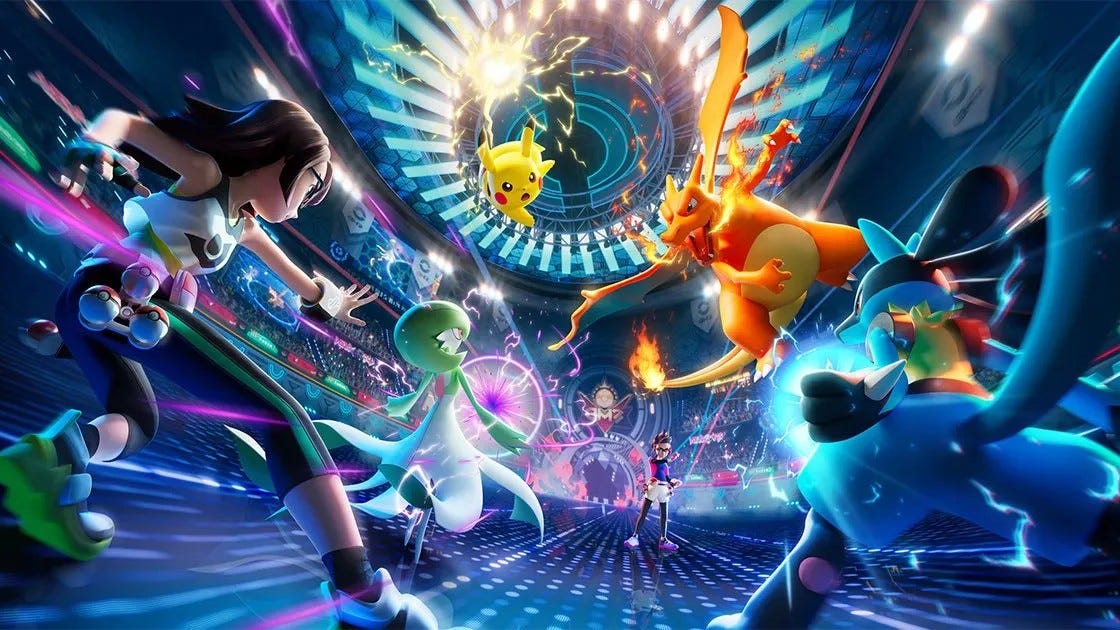
Technical Hurdles and Next-Gen Performance Concerns
Adding to the content complaints are significant technical concerns, particularly regarding the game’s performance on anticipated next-generation hardware, such as the rumored Switch 2. High-profile gaming titles are expected to run flawlessly on their target platforms, and the current build of Pokémon Champions has drawn scrutiny for its stability.
Specific reports of performance issues—including frame rate drops during intense battles and noticeable graphical inconsistencies—suggest that optimization remains a major hurdle for the development team. In a market where graphical fidelity and consistent frame rates are non-negotiable expectations for major franchises, these technical shortcomings are difficult to overlook.
The perception of a "beta test" is heavily tied to this technical instability. A polished, AAA-level title should demonstrate rock-solid performance across its target hardware. When the technical foundation wobbles, it undermines the perceived quality of the gameplay mechanics, regardless of how compelling the core concept might be. Developers must demonstrate mastery over the underlying engine before the narrative or roster size can truly matter.
The Free-to-Play Model and Market Expectations
The decision to launch Pokémon Champions as a free-to-play title is a calculated business move, designed to maximize user adoption and build a massive player base from day one. However, the execution of this model is currently failing to meet the high bar set by the Pokémon brand.
The free-to-play structure inherently relies on a continuous stream of content and engagement to keep players invested. When the core content is limited and the mechanics feel underdeveloped, the monetization strategy—which often relies on players spending money to fill content gaps—becomes tenuous. Players are less willing to invest significant capital in a game that feels incomplete.
The market expects a high degree of polish and a clear progression path. If the game feels like a collection of unfinished features bolted onto a basic engine, the perceived value drops dramatically. The current criticisms serve as a clear warning: simply making a game free does not guarantee success; the quality and depth of the experience must justify the download.