Overview
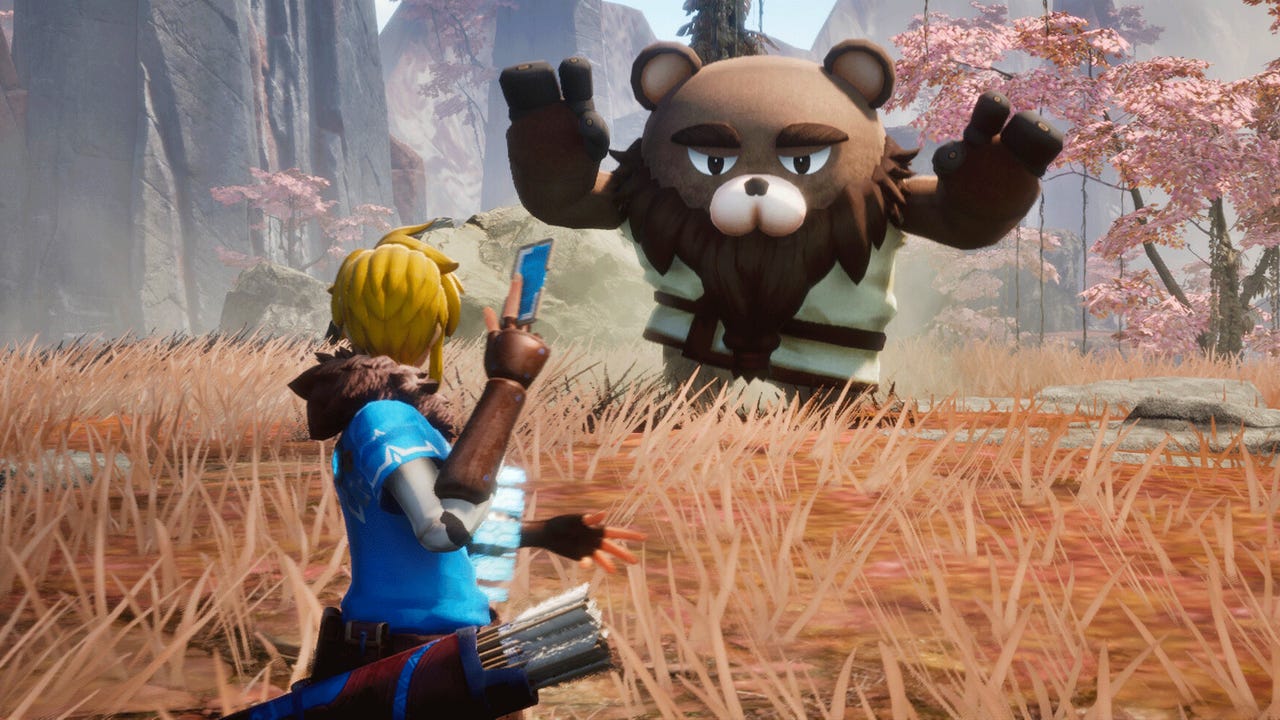
The developer responsible for the popular but controversial mobile title, Pickmon, has announced a significant rebranding effort, stating the change is necessary to "better align with our brand identity and lore." The move comes directly following widespread industry criticism that the game operates as an uninspired clone of Nintendo’s flagship franchise.
The announcement suggests that the studio recognizes the difficulty in establishing a unique foothold in the monster-collecting genre, a space dominated by established IP. Instead of merely addressing the naming issue, the developer appears to be attempting a broader strategic repositioning, signaling a pivot toward defining a distinct narrative identity separate from its perceived inspirations.
This shift is notable because the market for creature-collecting RPGs is highly saturated. For a third-party title to gain traction, it must not only mimic successful mechanics but also build a compelling, self-contained universe that justifies its existence outside of the original IP's shadow.
The Weight of Comparison in Creature Collecting
The Weight of Comparison in Creature Collecting
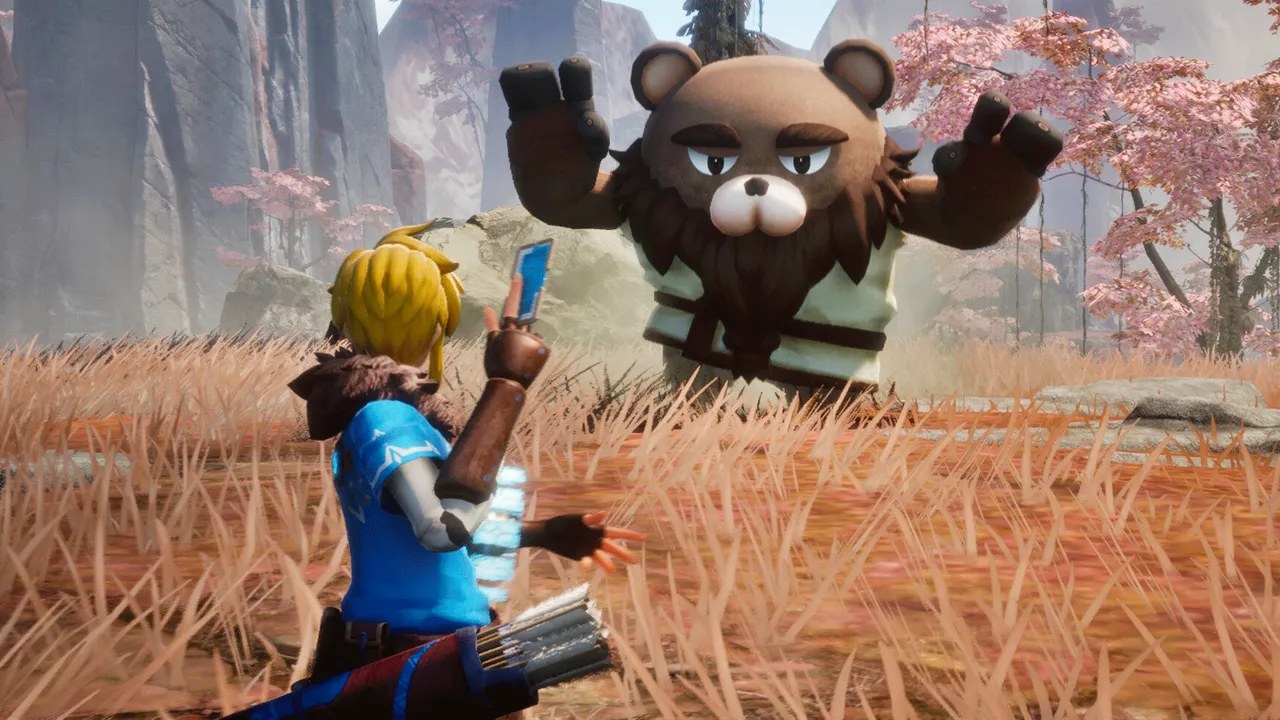
The criticism leveled at Pickmon was never solely about mechanics; it was about perceived lack of originality. The genre itself—the creature-collecting RPG—is a highly specific and deeply entrenched niche. Developers entering this space, regardless of their creative input, face an immediate and often insurmountable comparison to Pokémon.
The core issue for the industry has always been the difficulty of building a proprietary mythology that rivals decades of established lore. When a title’s visual language, core gameplay loops (catching, evolving, battling), and even its general aesthetic echo a market leader, the developer is immediately placed in a defensive position.
The name change, therefore, is less a cosmetic update and more a necessary declaration of intent. It is an attempt to sever the linguistic and conceptual ties that critics have used to categorize the game as a mere imitation. The studio is attempting to convince the market that the underlying mechanics are merely tools, and the new brand identity is the product.
Analyzing the Strategic Pivot
A name change of this magnitude, especially one prompted by negative PR, requires significant internal restructuring and a clear external narrative. Industry analysts view this move as a calculated attempt to elevate the perceived value of the game's IP.
The developer must now prove that the new branding isn't just a superficial coat of paint. The focus must shift from "what it does" (which is inherently comparative) to "what it is" (a unique world with unique rules). This involves deep dives into lore, character backstories, and the establishment of a distinct world mythology that the game itself can sustain.
Furthermore, the rebranding suggests a potential overhaul of the game's core assets. If the developers want to escape the shadow of comparison, they cannot rely solely on the mechanics that made the game popular in the first place. They must introduce novel systems, perhaps related to resource management, advanced combat types, or unique environmental interactions, to justify the new identity.
Market Implications for Indie Genre Titles
This situation provides a valuable case study for independent developers operating in highly successful, IP-dominated genres. It underscores a fundamental truth of modern gaming: brand recognition is the most valuable commodity, and imitation, while profitable in the short term, is a long-term branding liability.
For smaller studios, the path to legitimacy often involves either radical differentiation—creating a genre entirely new—or achieving such a high level of polish and execution that the quality itself overshadows the comparison.
The market has shown that players are willing to forgive a degree of similarity if the execution is flawless and the world feels lived-in. However, the developer's current challenge is proving that the lore is the differentiator, not just the art style. They must build a narrative that feels earned, not merely appended to a successful formula.