What was confirmed and what's still open
NetEase's developer statement confirmed the Switch 2 port is in development. What is not yet confirmed is the release window, the performance target, or whether cross-platform play will be enabled at launch. All three of those matter. Based on the pattern established by Overwatch, the reasonable expectation is a 60fps target with cross-platform play enabled, but NetEase has not committed specifically.
The timeline is likely late 2026 at earliest. Porting a live-service game with cross-platform infrastructure is a significant engineering lift, and NetEase has been running Marvel Rivals with an aggressive content calendar on existing platforms that they will not want to disrupt. Expect the Switch 2 version to ship in a window where it can enter with current content parity rather than catching up on a months-old version.
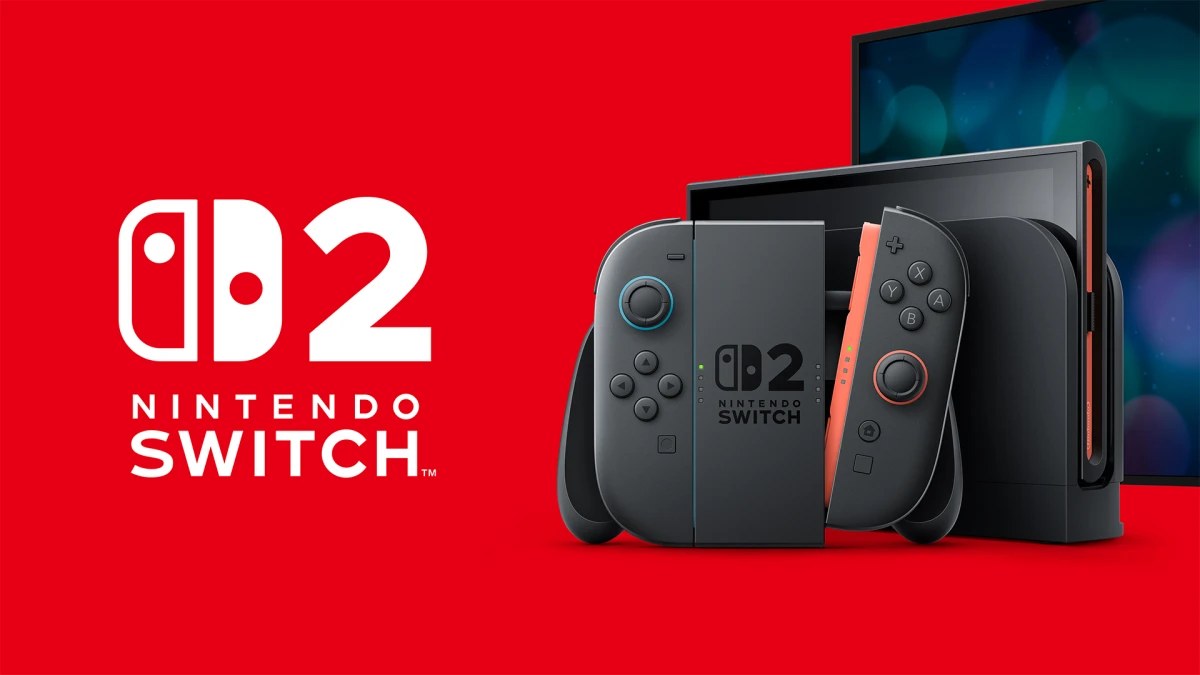
Marvel Rivals is officially being ported to Switch 2.
How the Overwatch precedent shapes expectations
Overwatch's Switch 2 launch is now the template for how this category of port is supposed to work. 60fps in both docked and handheld, cross-platform play from day one, feature parity with other platforms, no major content gate-keeping. Marvel Rivals will be measured against that standard, and anything short of it will feel like a compromise.
The harder question is whether NetEase can actually hit that bar. Marvel Rivals is visually denser than Overwatch in some scenes — more particle effects, more destruction elements, more simultaneous hero abilities on screen. The performance work to bring that to Switch 2 handheld at 60fps is non-trivial. The port team has a real engineering problem to solve, and the answer is not guaranteed.
The competitive angle: why Marvel Rivals specifically matters here
Marvel Rivals has been quietly eating Overwatch's lunch for months on existing platforms. The game's monetization is more player-friendly, the hero roster has been expanding faster, and the competitive scene is growing. A Switch 2 version puts Marvel Rivals in front of an audience that may not have engaged with it on PS5 or Xbox, and that audience overlaps heavily with lapsed Overwatch players.
For Blizzard, the timing of the Marvel Rivals Switch 2 announcement is not great. They just shipped a strong Overwatch port. The window of platform exclusivity in the hero-shooter category on Switch 2 is closing before it ever really opened. The next 12 months of competitive positioning between the two titles is going to be unusually active.
The live-service shooter pattern everyone is watching
Six months ago, the reasonable assumption was that Switch 2 would get a trickle of AAA shooter ports, most of them delayed and compromised. The actual pattern is substantially different — fast confirmations, aggressive performance targets, cross-platform parity. Overwatch led, Marvel Rivals follows, and the announcements for the next round are probably coming inside 90 days.
The likely next candidates are Valorant (Riot has been coy but not denial-ish), Apex Legends (existing console presence makes this easy), and a new Call of Duty entry (Activision has not announced but the hardware can clearly support it). Any two of those landing within the year would establish Switch 2 as a legitimate platform for the shooter category, not a compromise choice.
What to watch as the port progresses
The most important near-term milestone is NetEase publishing target performance specs. If they confirm 60fps handheld — matching Overwatch's bar — the port is serious and the rest of the announcement cadence will follow. If they hedge with "up to 60fps" or "dynamic resolution targeting 60fps," the port is compromising more than the marketing will admit.
The second milestone is whether the Switch 2 version gets the full Marvel Rivals roster at launch or a reduced cast. Roster parity is the real indicator of how seriously NetEase is treating the port. A cut-down roster signals a secondary priority. A full roster signals Switch 2 is being treated as a first-class platform. The answer to that question is probably the single most consequential part of the upcoming port announcement cycle.