Beyond the Game Initial IP Revenue Streams
When you talk about intellectual property (IP) in gaming, most people assume the biggest payday comes from the initial AAA release. You wait for the next massive open-world title, the next console generation, the next blockbuster cinematic experience. You assume the money is front-loaded, a massive cash injection followed by years of slow drip-feed revenue.
But the current trajectory of CD Projekt Red’s Cyberpunk Trading Card Game (TCG) is proving that assumption fundamentally wrong.
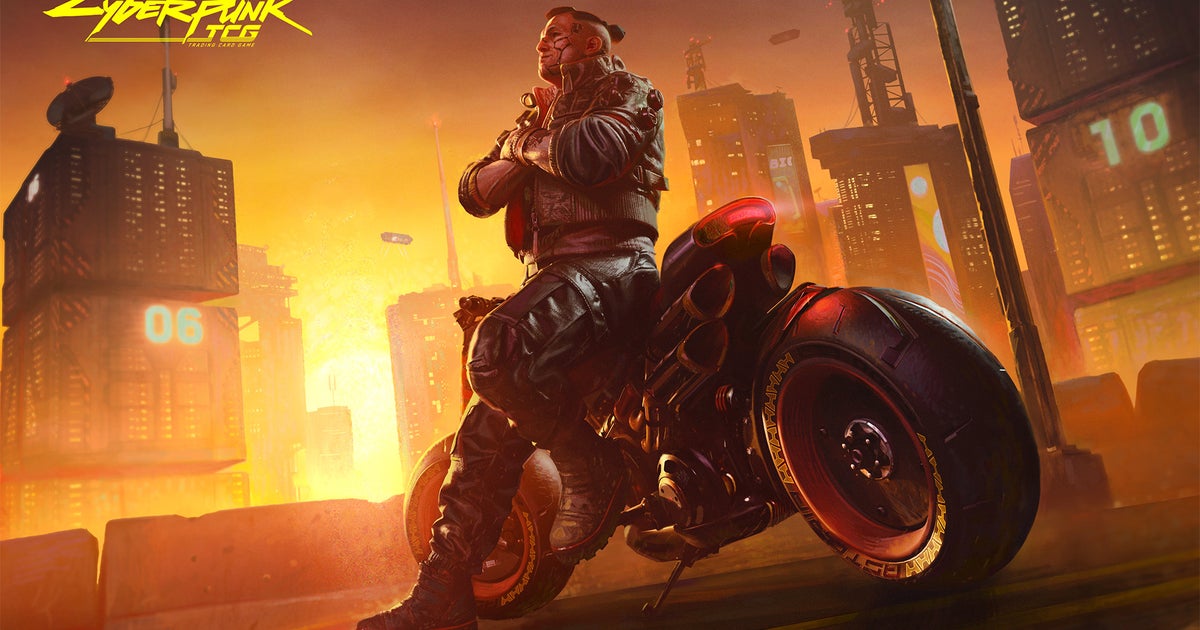
This isn't just another niche collectible. This is a machine. The TCG has hit Kickstarter, and the funding totals are moving so fast, so consistently, that it’s less of a campaign and more of a financial spectacle. It’s a clear, aggressive demonstration of how a massive, beloved universe—one steeped in neon, chrome, and corporate decay—can be successfully packaged and sold repeatedly, far beyond the initial game sale.
The core strength of the Cyberpunk universe is its density.

The Power of the Lore: Why Cyberpunk Works as a TCG
The core strength of the Cyberpunk universe is its density. It’s not just a setting; it’s a fully realized, morally gray world with deeply ingrained factions, unique technology, and a distinct aesthetic. Unlike a game that requires the player to build the world from scratch, Cyberpunk hands the player a world that already exists, complete with established rules and characters.
This is gold for a TCG.
A successful card game needs more than just cool art; it needs mechanics that feel inherent to the source material. The TCG capitalizes on this by making the gameplay feel like a direct extension of the Cyberpunk experience. You aren't just playing a game; you are simulating the desperate, high-stakes skirmishes of Night City.
Beyond the Initial Buy-In: The Ecosystem Play
The real takeaway from the Kickstarter success isn't the initial funding number; it’s the sustainability of the funding.
A single game release is a peak. A successful TCG, however, is a perpetual motion machine. It requires constant content drops, expansion packs, and meta-shifts to keep the player base engaged. This is where the genius of the model lies.
CDPR isn't just selling a box of cards; they are selling access to the next phase of the Cyberpunk experience. Every expansion pack, every new character card, and every rule update is a new revenue stream that keeps the community invested.