Overview
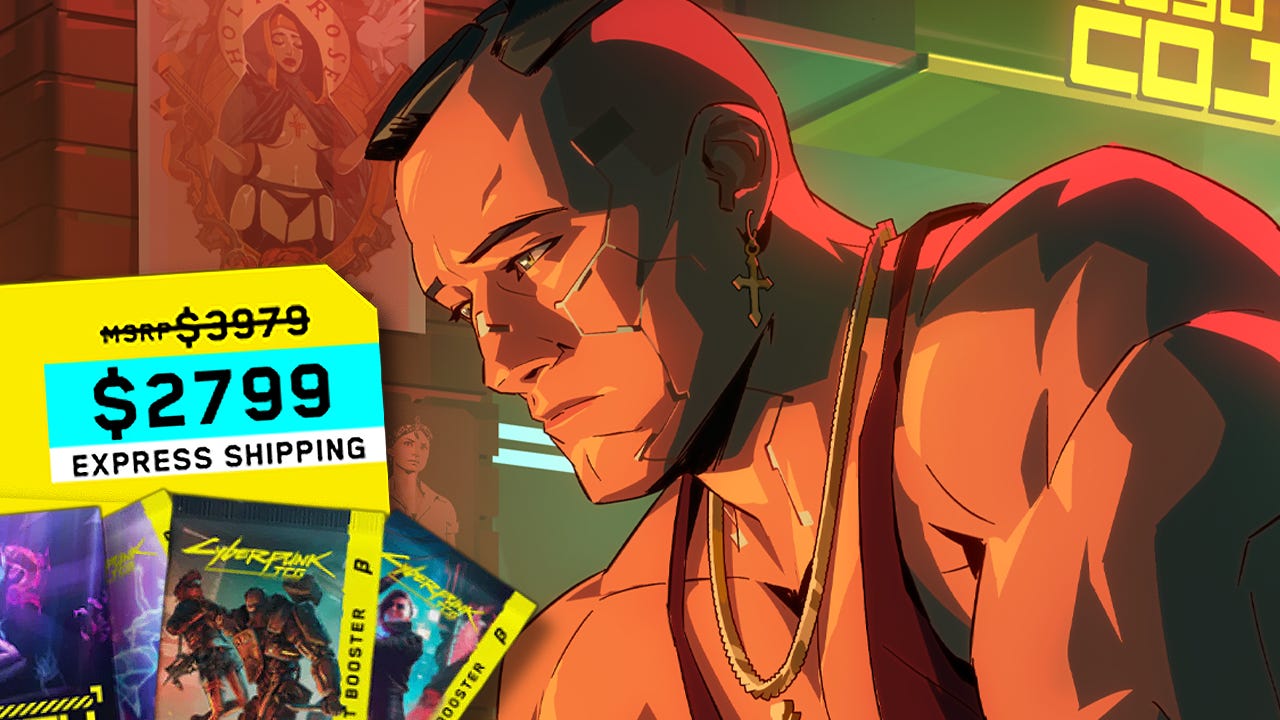
The Cyberpunk TCG recently crossed the $15 million funding milestone, a figure that immediately signals massive consumer appetite for the genre. The initial reception has been overwhelmingly positive, validating the commercial viability of translating a sprawling, complex IP like Cyberpunk 2077 into a functional, high-stakes collectible card game. This early financial success suggests that the demand for high-quality, narrative-driven TCG experiences within the cyberpunk universe is robust.
However, financial metrics alone do not guarantee longevity. The history of IP-driven TCGs is littered with impressive initial spikes followed by gradual, agonizing declines. The true test for Cyberpunk lies not in the initial capital raised, but in its ability to maintain player engagement, balance its mechanics, and continuously justify its existence against a backdrop of market saturation.
The challenge is shifting the narrative from a successful Kickstarter campaign to a sustainable, multi-year product ecosystem. For the TCG to solidify its place, it must prove it is more than just a profitable novelty; it must establish itself as a foundational pillar of the gaming market.
The Power of IP Synergy and Initial Momentum

The Power of IP Synergy and Initial Momentum
The immediate appeal of the Cyberpunk TCG is undeniable, drawing strength from one of the most recognizable and aesthetically rich fictional worlds in modern media. The game successfully taps into the core tenets of the genre—corporate overreach, neon-drenched grit, and the struggle for individual autonomy—elements that resonate deeply with the core gaming audience.
The initial $15 million figure confirms that the market is willing to invest heavily in a premium, narrative-rich gaming experience. This funding validates the premise that fans are not simply buying cards; they are buying a continuation of the Cyberpunk lore and an interactive piece of the world itself. The TCG format allows for deep mechanical integration of the source material, giving players a tangible way to embody the roles of mercenaries, netrunners, and corpo agents.
This early momentum is critical because it establishes a high baseline expectation. Players who invested in the initial wave of products expect a world-class, polished, and constantly evolving product. The success of the initial rollout means the developers have successfully captured the hype cycle, but capturing hype is fundamentally different from building a stable, enduring product line.
Sustaining Engagement Beyond the Initial Hype Cycle
The most significant hurdle for any TCG, especially one built on a massive video game IP, is the transition from novelty to routine. The initial excitement generated by the Kickstarter funding will inevitably dissipate, leaving the product reliant on consistent gameplay depth and mechanical novelty.
Survival hinges on more than just releasing new booster packs. It requires a sophisticated content roadmap that addresses the core issues of TCG longevity: balance, accessibility, and mechanical evolution. If the core gameplay loop proves too niche, too complex, or too reliant on luck rather than strategic depth, the player base will inevitably fracture.
Furthermore, the TCG must manage the relationship between its card mechanics and the source material's narrative. A common pitfall is creating card mechanics that feel arbitrary or disconnected from the established lore. To succeed, the game needs to deepen its integration, perhaps through seasonal narrative arcs or character-specific mechanics that force players to engage with the world's internal politics, rather than just collecting powerful cards.
The Competitive Landscape and Market Maturity
The TCG space is intensely competitive, featuring established giants like Magic: The Gathering and Pokémon, alongside numerous smaller, niche titles. For Cyberpunk to maintain its trajectory, it cannot simply be a good game; it must be a better game, or at least a uniquely compelling alternative, to the established market leaders.
The market is currently demanding high production values coupled with genuine mechanical innovation. The TCG must prove that its unique blend of cyberpunk themes offers a mechanical advantage that the established players cannot easily replicate. This might involve introducing asymmetrical gameplay elements, deeper resource management systems, or unique combat mechanics that differentiate it from traditional collectible card games.
Ultimately, the success of the Cyberpunk TCG will be measured by its ability to generate organic, sustained community growth. This requires a dedicated focus on community management, competitive play structures (like regional tournaments and professional circuits), and a willingness to iterate based on player feedback. The initial $15 million validates the desire for the product, but sustained engagement requires the developers to prove they are masters of the craft of the TCG.