Navigating Steam AI Moderation and Content Safety
Steam AI Bans: What Happens When Moderation Gets Too Smart? Understanding the "Naming and Shaming" Trap
Steam's AI moderation system is under scrutiny after flagging content for "naming and shaming"—even when no names are mentioned. Dive into how AI policing works, what the rules really mean, and how to keep your gaming content safe from accidental bans.
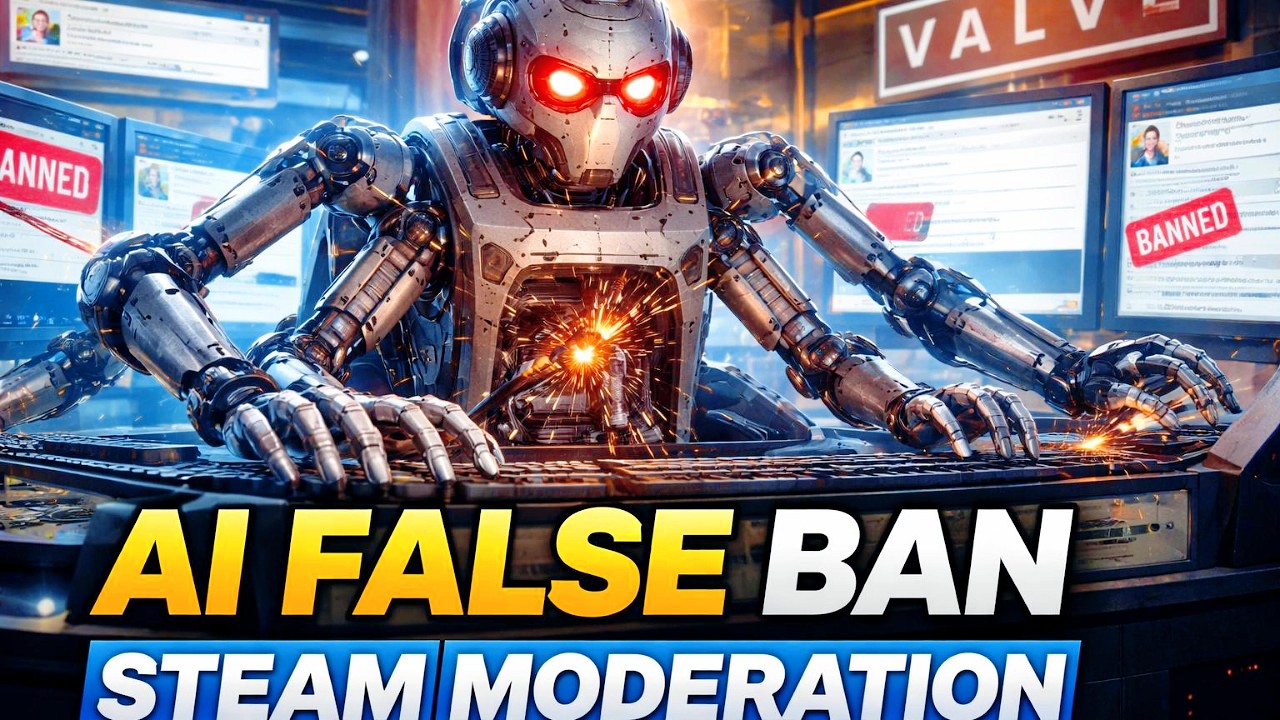
(Use the provided thumbnail image: https://i.ytimg.com/vi/xrOJ87MhQvo/hq720.jpg?sqp=-oaymwEcCNAFEJQDSFXyq4qpAw4IARUAAIhCGAFwAcABBg==&rs=AOn4CLDUKnVb8DctNxXWtDsQuDog_tf8RA)
The term "naming and shaming" generally refers to the act of publicly calling out an individual or group for perceived misconduct.
The Ambiguity of "Naming and Shaming": When Algorithms Misinterpret Intent
The term "naming and shaming" generally refers to the act of publicly calling out an individual or group for perceived misconduct. On the surface, this seems like a clear violation of community guidelines—it's meant to silence criticism or public accountability.
However, the recent incidents highlight a critical flaw in how AI interprets language. AI models are trained on patterns, keywords, and statistical probabilities. They are excellent at identifying what is said, but often fail spectacularly at understanding why it is said.
When an AI flags content for this violation, it is likely detecting patterns of accusation, collective criticism, or highly charged language—the structure of shaming—rather than the actual subject of the shaming. The AI doesn't see the difference between a general critique of a game mechanic ("This system is fundamentally broken") and a targeted attack ("You, the developer, broke this system"). To the algorithm, the emotional intensity and accusatory language might trigger the "naming and shaming" flag, regardless of whether a name was dropped.
The Scale Problem: Why AI Moderation is Necessary—But Imperfect
The primary driver behind the reliance on AI moderation is sheer scale. Human moderators, no matter how dedicated, cannot review the billions of pieces of content uploaded daily across major gaming platforms. AI systems are the only way platforms can maintain a semblance of order.
AI moderation is not inherently evil; it is a necessary evil of the modern internet. It allows platforms to operate at a global, 24/7 pace. However, this necessity comes with inherent limitations:
Lack of Context: AI operates in a vacuum. It doesn't know if the discussion is hypothetical, satirical, or part of an in-game roleplay. It only sees the text string. Over-Correction: To minimize risk (and potential legal liability), platforms often train their AI to be overly cautious. This leads to "false positives"—flagging innocent content simply because it shares linguistic characteristics with banned material. The "Black Box" Effect: When an AI bans content, the reasoning is often opaque. The creator receives a notification of a violation, but rarely a detailed explanation of why the algorithm flagged the specific phrase. This lack of transparency breeds frustration and distrust.