
Three months is enough time to judge it
Yu-Gi-Oh formats move fast, but three months is enough time to know whether a banlist actually changed anything. Players tested, locals adjusted, tournament lists settled, and the answer is pretty clear.
February did not move the format enough. It trimmed some edges, made a few deck lists more awkward, and forced small adjustments. But the overall feeling of the meta stayed too familiar.
That is the problem. A banlist can be conservative. It cannot feel cosmetic.
Three months is enough time to judge it
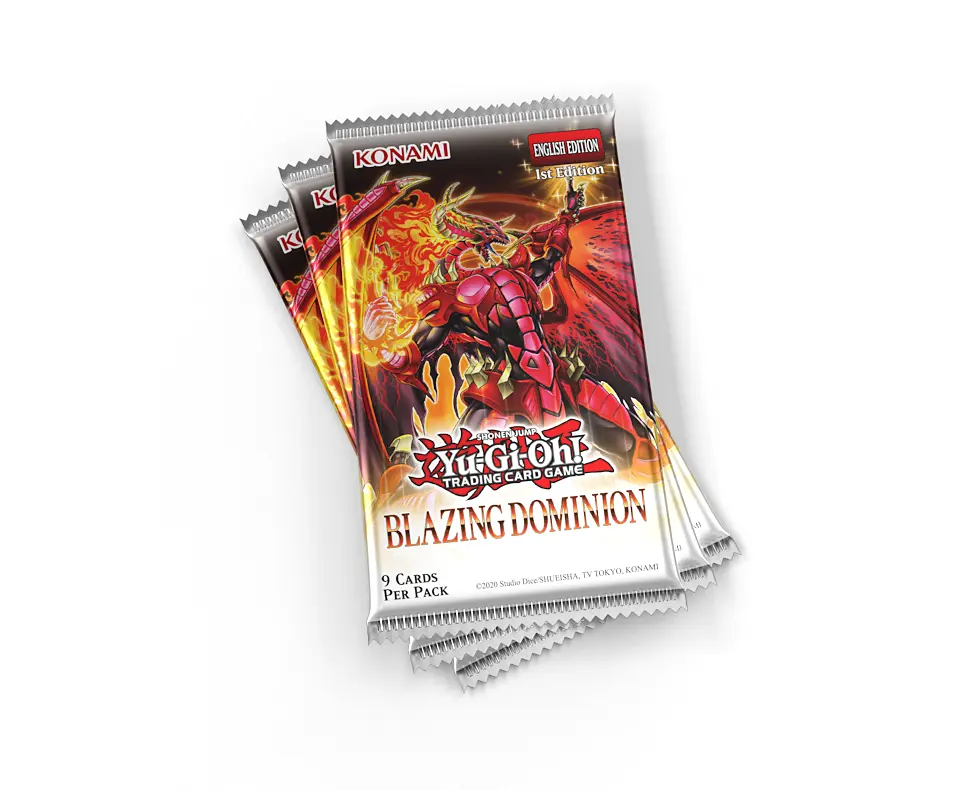
Yu-Gi-Oh Blazing Dominion Booster Box
Real depth, more than Jack Atlas hype
Check eBayAffiliate link. We may earn a commission at no extra cost to you.
The same patterns kept winning
The names of the decks can shift, but the patterns are still the same: fast combo lines, extender-heavy boards, hand-trap wars, and interruption piles that make games feel decided before both players have really played.
That is not new for Yu-Gi-Oh, but it is exactly why banlists have to be brave sometimes. If you only tap the problem cards, the best players rebuild the same engine with slightly worse parts and keep going.
That is what February felt like. Not useless, but too polite.
The next list needs sharper choices
Konami does not need to hit everything. It needs to pick the decks and engines that are actually compressing the format and make real cuts.
Spreading tiny hits across too many strategies makes the list look busy without changing much. A stronger list might make more people mad on day one, but it gives the format a better chance to breathe by week three.
That is the trade-off I want Konami to make next. Less noise, more consequence.
Blazing Dominion makes timing awkward
The May product cycle makes this more complicated. Konami usually does not want a banlist to crash directly into a fresh set, especially if players just bought cards and have not had time to test them.
That argues for a list after the new cards have a little data behind them. Early June to mid-July feels like the window where Konami can react without guessing.
Until then, I would be careful with expensive current-meta buys. If the next list is sharper, the wrong deck could get expensive for about five minutes and then very annoying to own.
My read
If you play competitively, keep testing but do not marry a deck that looks like an obvious target. The next banlist has more reason to be aggressive than the last one did.
If you play casually, this is a good time to build something you actually enjoy instead of chasing the top table with money you might regret spending.
February was a half-step. The next list needs to feel like a real step, or the format is going to keep having the same argument with different card names.
Related coverage
More from the Yu-Gi-Oh beat: why Blazing Dominion is a real deck-builder set, not just Jack Atlas support and why borderless Yu-Gi-Oh cards took a decade of watching Magic do it first.