Engineering Wi-Fi for Extreme Nuclear Environments
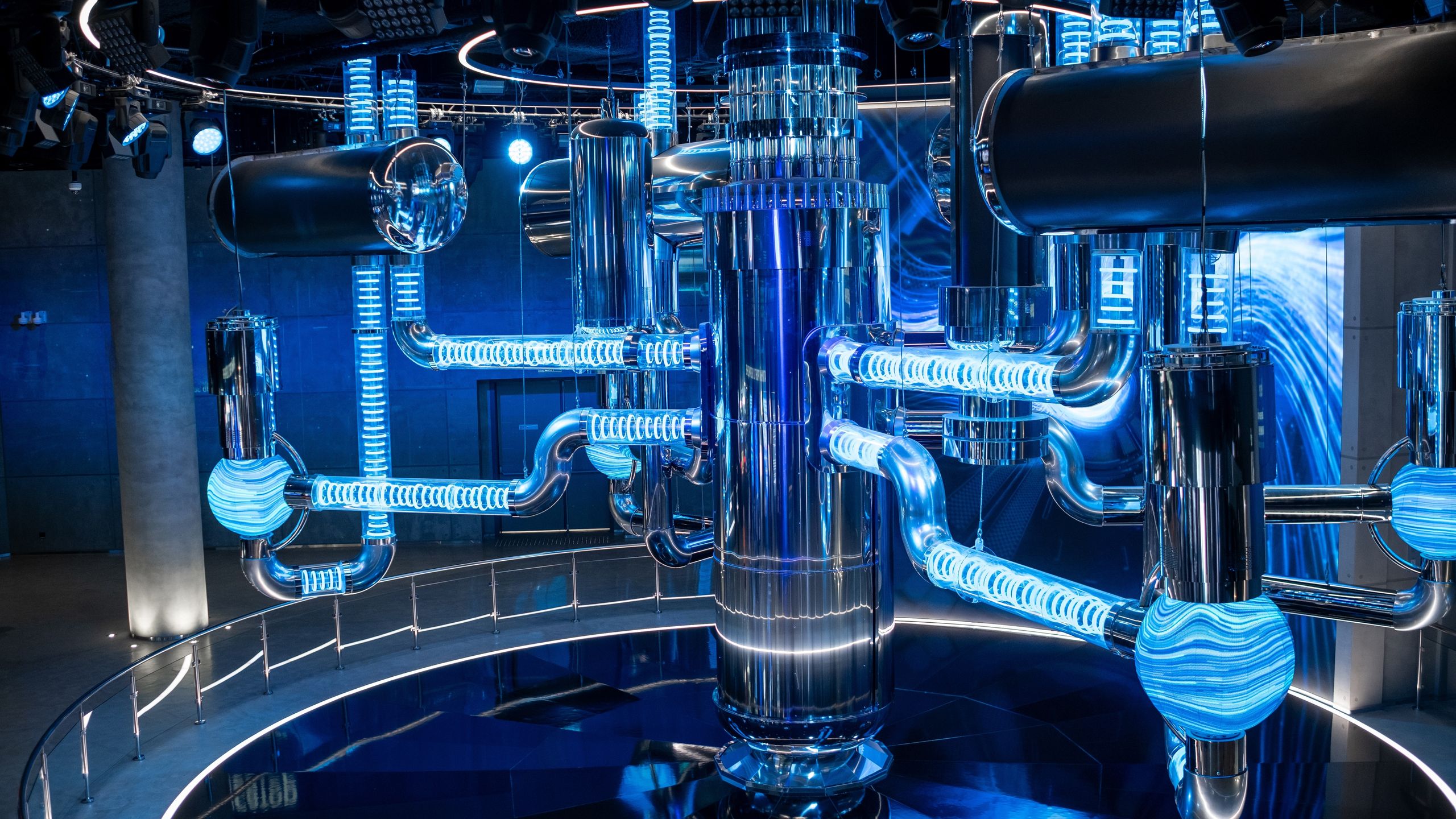
A research team engineered a Wi-Fi receiver that operates inside a nuclear reactor, surviving intense radiation, extreme heat, and electromagnetic interference for at least six months. The chip maintains connectivity in conditions that would destroy standard electronics within hours.
The practical implications extend beyond nuclear facilities. A chip that can handle reactor-core conditions could enable connectivity in deep-sea exploration, space missions, and industrial environments where current wireless technology cannot survive.
The Engineering Nightmare: Surviving the Core
H2 Section 1
The Engineering Nightmare: Surviving the Core
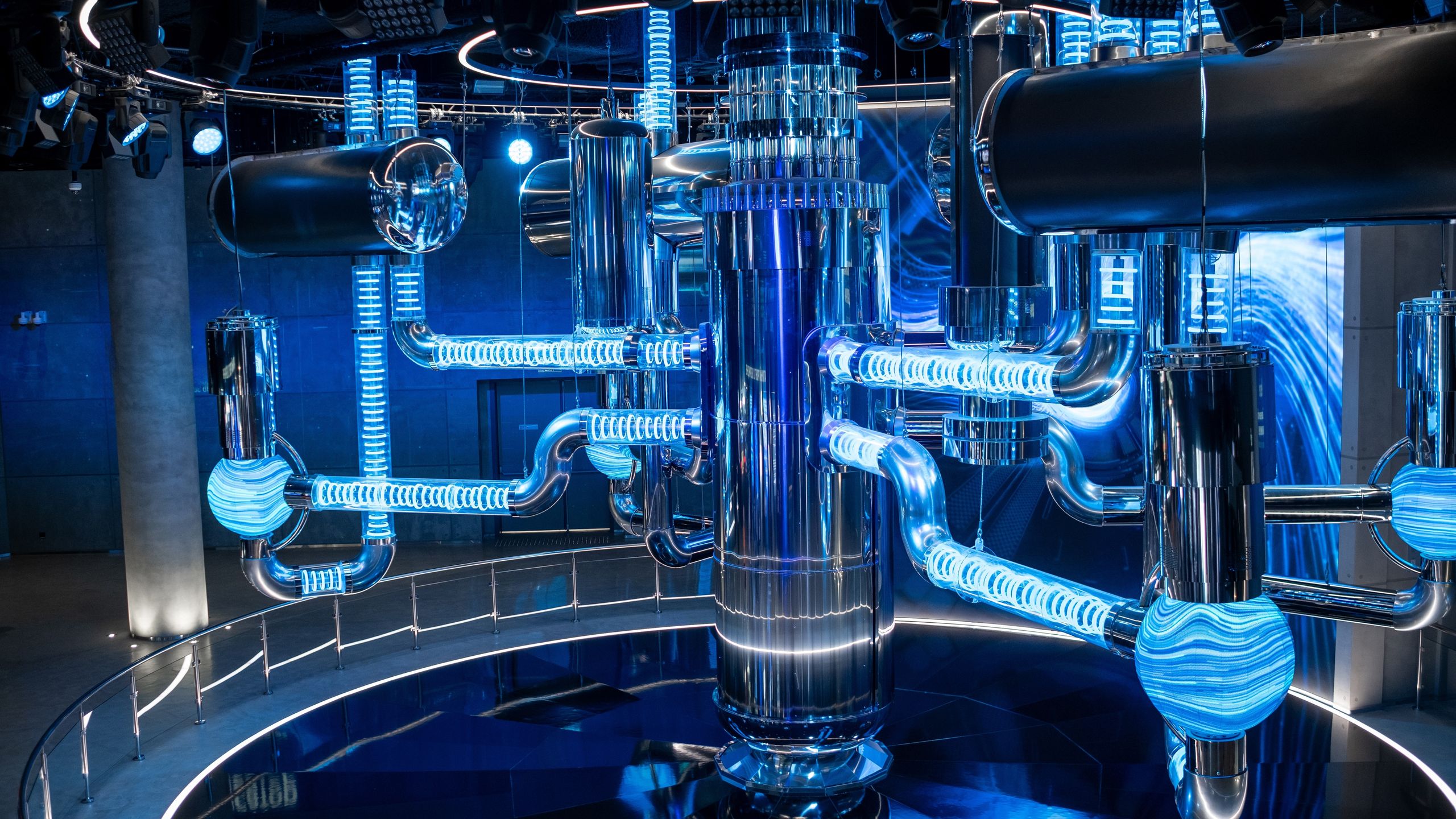
Operating standard electronics near a nuclear reactor is like asking a smartphone to survive a flamethrower while simultaneously being submerged in molten metal. The sheer intensity of the radiation—gamma rays, neutrons, and high-energy particles—is lethal to standard silicon components. These particles don't just cause overheating; they fundamentally alter the chemical structure of the materials, leading to catastrophic failure, data corruption, and eventual system shutdown.
The breakthrough here wasn't just about making a Wi-Fi chip; it was about making the entire system radiation-hardened.
H2 Section 2
The immediate application is monitoring nuclear reactors, improving safety and efficiency by providing real-time wireless data from inside the core. But the implications extend further.
Any environment where high radiation, extreme temperatures, or electromagnetic interference currently prevent wireless connectivity becomes a candidate: deep-sea exploration vehicles, space station and spacecraft systems, industrial smelting and chemical processing facilities, and military hardware operating in contested electromagnetic environments. A chip rated for reactor-core conditions sets a new baseline for what wireless hardware can survive.