The State of Modern Fighting Game Ports
For years, fighting game fans have lived in a state of glorious, frustrating limbo. We’ve seen glimpses of legends, patches of classics, and ports that felt like compromises. The genre, especially the titans of 3D combat, often feels tethered to specific, aging hardware, making it a headache to get a truly optimized, modern experience.
But the cycle is finally breaking.
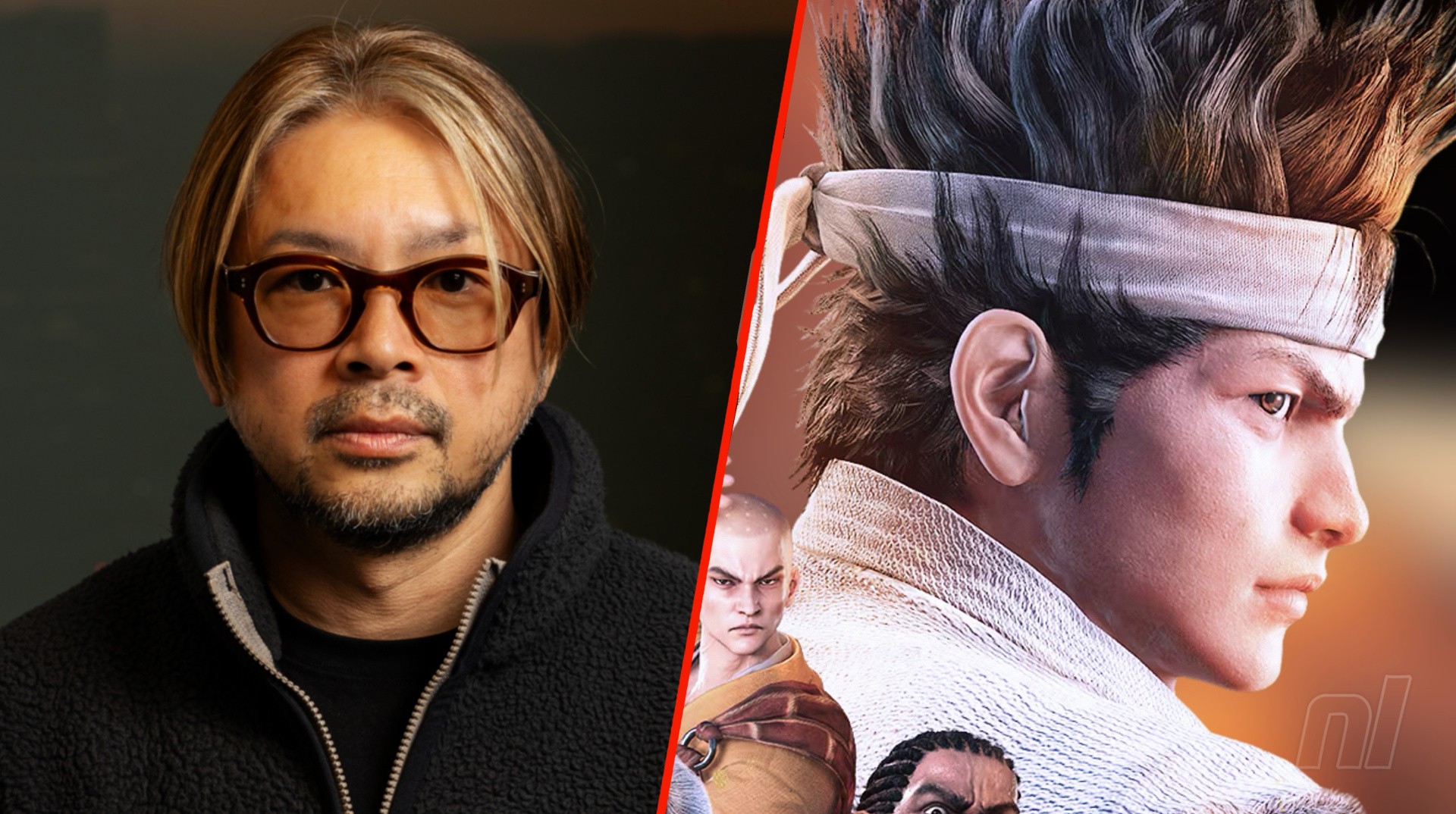
Virtua Fighter, the foundational pillar of the 3D fighting genre, is gearing up for a major comeback with Virtua Fighter 5 R.E.V.O. World Stage on the Nintendo Switch 2. This isn't just another port; according to producer Seiji Aoki, this release is designed to be a definitive statement—a technical showcase that demands stability and raw performance.
The Technical Mandate: Why 60 Frames Per Second Isn't Optional

H2 Section 1
The Technical Mandate: Why 60 Frames Per Second Isn't Optional
When you’re talking about a game that demands advanced mind games and split-second decision-making, frame rate isn't a quality-of-life feature—it's the core mechanic.
Aoki was blunt: Virtua Fighter needs to run at a steady 60fps.
H2 Section 2
More Than Just a Fight: The Design Philosophy of Modern VF
If you’re unfamiliar with the series, you might assume Virtua Fighter is just another flashy, projectile-blasting brawler. You couldn't be more wrong.
The genius of the franchise lies in its brutal commitment to realism and competitive depth. It pioneered the 3D fighting genre by establishing a combat system that is deceptively simple yet infinitely complex. Aoki highlights that the core gameplay loop is built around a straightforward three-button control scheme, paired with realistic, full-contact combat.