Overview
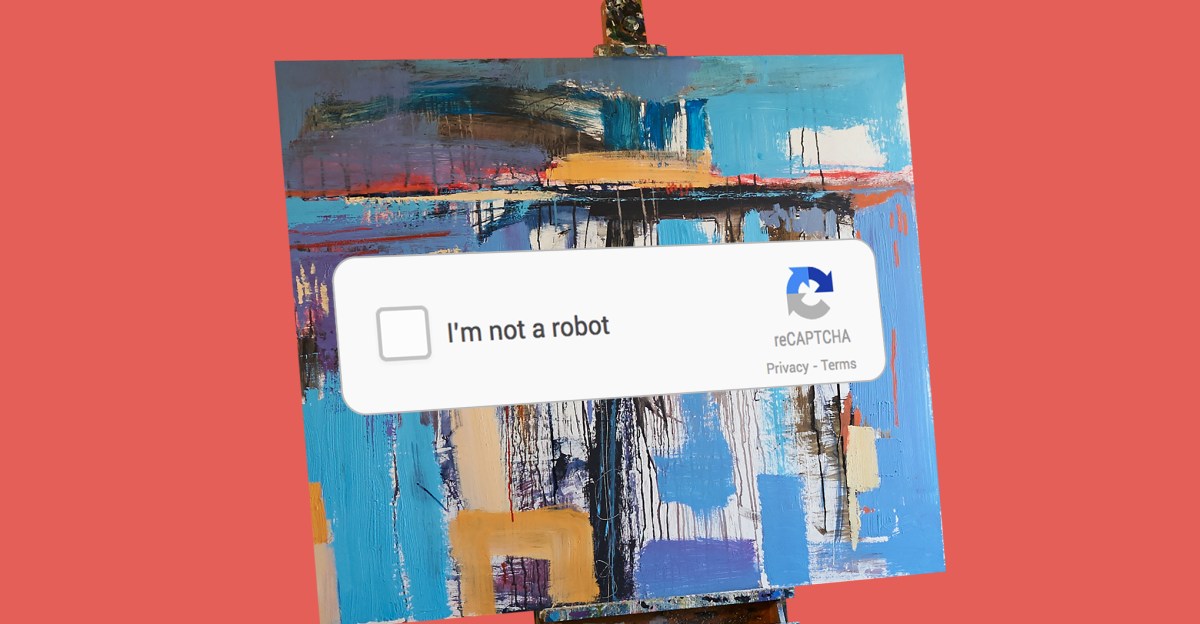
The push for an "AI-free" label is rapidly moving from niche concern to mainstream industry requirement, signaling a fundamental shift in how intellectual property is valued. Creative professionals, from graphic designers to artists, are increasingly demanding verifiable proof that their work was generated solely by human input, a necessity driven by the ubiquity and sophistication of generative AI tools. This demand is creating a complex, fragmented market where the definition of "human-made" itself remains highly contested.
The core tension lies between the incredible democratization of creative tools—which allows anyone to generate high-quality assets—and the resulting devaluation of human skill. When sophisticated AI models can replicate styles, generate logos, and produce complex imagery with minimal prompting, the market for original, verifiable human effort faces unprecedented saturation. The resulting scramble for labels represents an attempt to re-establish scarcity and provenance in a digital environment designed for infinite abundance.
This emerging requirement is not merely a marketing gimmick; it represents a potential structural overhaul of the creative economy. It forces platforms, galleries, and commercial clients to develop new, legally sound mechanisms for certifying authenticity. The battle for the "AI-free" stamp is, at its heart, a battle over who owns the definition of creativity in the 21st century.
The Crisis of Provenance in the Digital Age
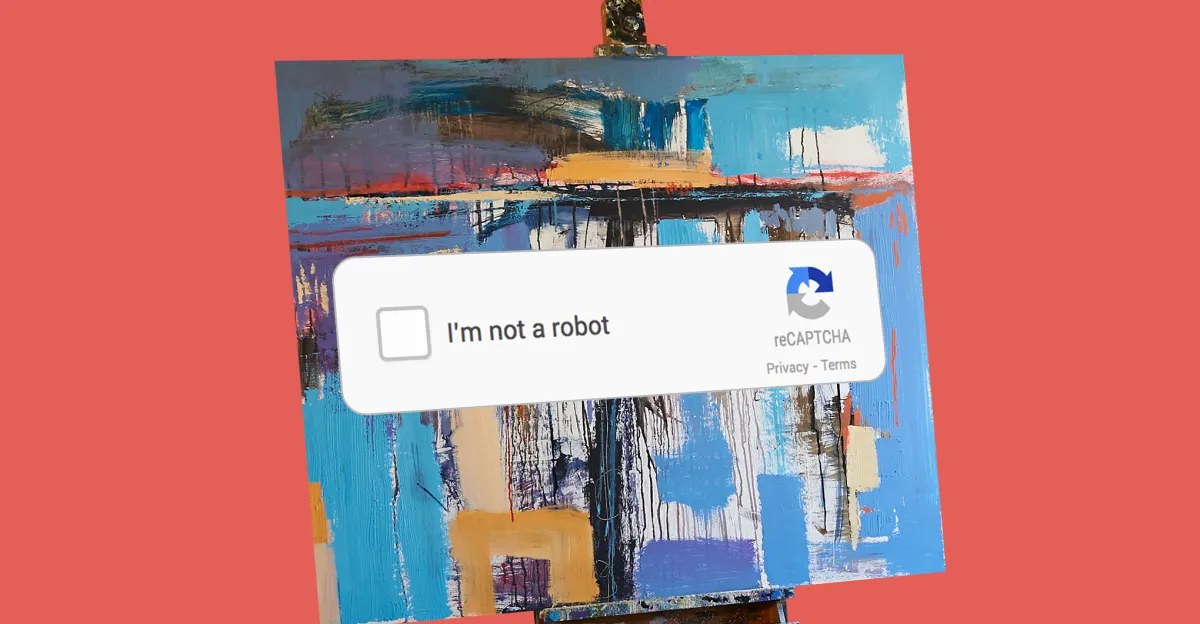
The Crisis of Provenance in the Digital Age
The rapid adoption of generative AI has created a genuine crisis of provenance, making it difficult for consumers and commissioners to distinguish between human effort and algorithmic output. Tools like Midjourney, Stable Diffusion, and advanced text-to-image models have lowered the barrier to entry for high-quality asset creation to near zero. A designer who once spent weeks perfecting a brand identity can now generate 100 variations in an afternoon, drastically altering pricing models and client expectations.
This technological shift has forced a reactionary movement: the need for verifiable proof of human authorship. For commercial entities, the risk of using AI-generated content without disclosure is mounting, particularly concerning copyright and derivative works. Legal frameworks are struggling to keep pace with the speed of AI development, leaving a massive gray area where ownership rights are ambiguous.
The industry response has been to create a visible marker of origin. These proposed labels are attempts to build a trust layer back into the creative supply chain. They signal to the buyer that the work has passed through a human workflow, involving intent, unique skill, and non-algorithmic refinement. For creators, obtaining such a label is quickly becoming a necessary form of professional insurance.
Defining "Human-Made" in a Generative Landscape
The difficulty in establishing a universal "AI-free" standard highlights the inherent ambiguity in the term "human-made." Is a logo that uses AI for initial concept generation, but which is then heavily modified, refined, and executed by a human hand, truly "AI-free"? The line is constantly blurring, creating loopholes that AI developers and content farms are quick to exploit.
The industry is grappling with whether the label should apply to the entire process, or merely to the final, polished output. Some proposed standards focus on the input phase—requiring that the initial concept or core assets were not derived from AI. Others focus on the labor phase—requiring a specific percentage of human modification or manual execution time.
This debate is critical because the definition dictates the value. If the label is too restrictive, it could stifle the legitimate use of AI as a powerful tool for human augmentation, rather than viewing it solely as a source of replacement. If it is too vague, it loses all credibility and becomes meaningless marketing fluff. The market is demanding technical rigor, not just aesthetic promises.
The Economic and Legal Implications for Creators
For the creator economy, the push for AI-free certification has massive economic implications. It creates a potential premium market for verifiable human skill, allowing artists and designers to justify higher rates by demonstrating a clear, traceable human investment. This moves the conversation from simply "what the art looks like" to "how the art was made."
Legally, this movement is forcing a reckoning with existing copyright law. Current law often struggles to assign authorship when multiple forms of input—human prompts, AI training data, human refinement—are involved. The demand for labeling accelerates the need for new legal standards that can account for hybrid authorship.
Furthermore, major tech platforms and marketplaces are being pressured to adopt these standards. If platforms fail to address provenance, they risk being viewed as facilitators of intellectual property dilution. The adoption of such labels could lead to the creation of specialized, blockchain-backed certification systems, providing an immutable record of the work's origin and modification history. This shifts the burden of proof onto the platform, making transparency a core feature of the digital marketplace.