Reviving the PlayStation 1 Gaming Experience
The golden age of gaming is often framed by nostalgia, but nostalgia is a lazy concept. It’s comfortable, it’s warm, and it rarely involves soldering iron fumes or custom PCBs. Yet, sometimes, the sheer brilliance of a piece of hardware—a console that defined an era—demands a resurrection.
We’re talking about the PlayStation 1. It was a revolutionary beast, a machine that dragged gaming into the 3D era and changed the industry forever. But the original hardware? It’s fragile, proprietary, and limited by its own time.
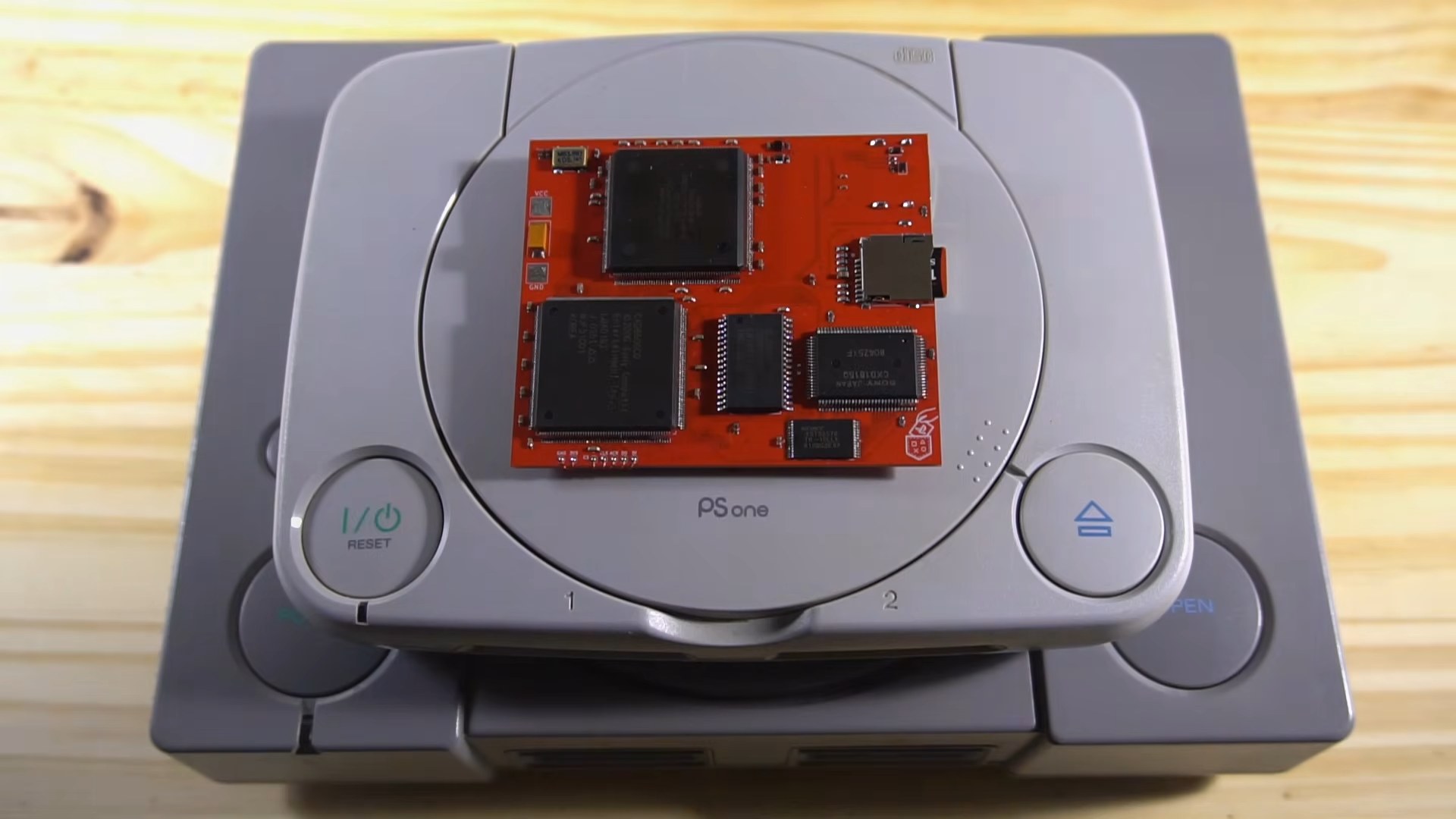
Enter the modder. This isn't just a collector dusting off an old console; this is an engineer treating a piece of gaming history like a complex, functional puzzle. They didn't just restore it; they upgraded it. We’re looking at a hybrid PS1 system built from the guts of two original consoles, housed on a custom PCB, and—get this—it natively supports microSD cards and outputs via HDMI.
The sheer scope of this build is what makes it genuinely impressive.
The Engineering Flex: Combining Two PS1s into One PCB
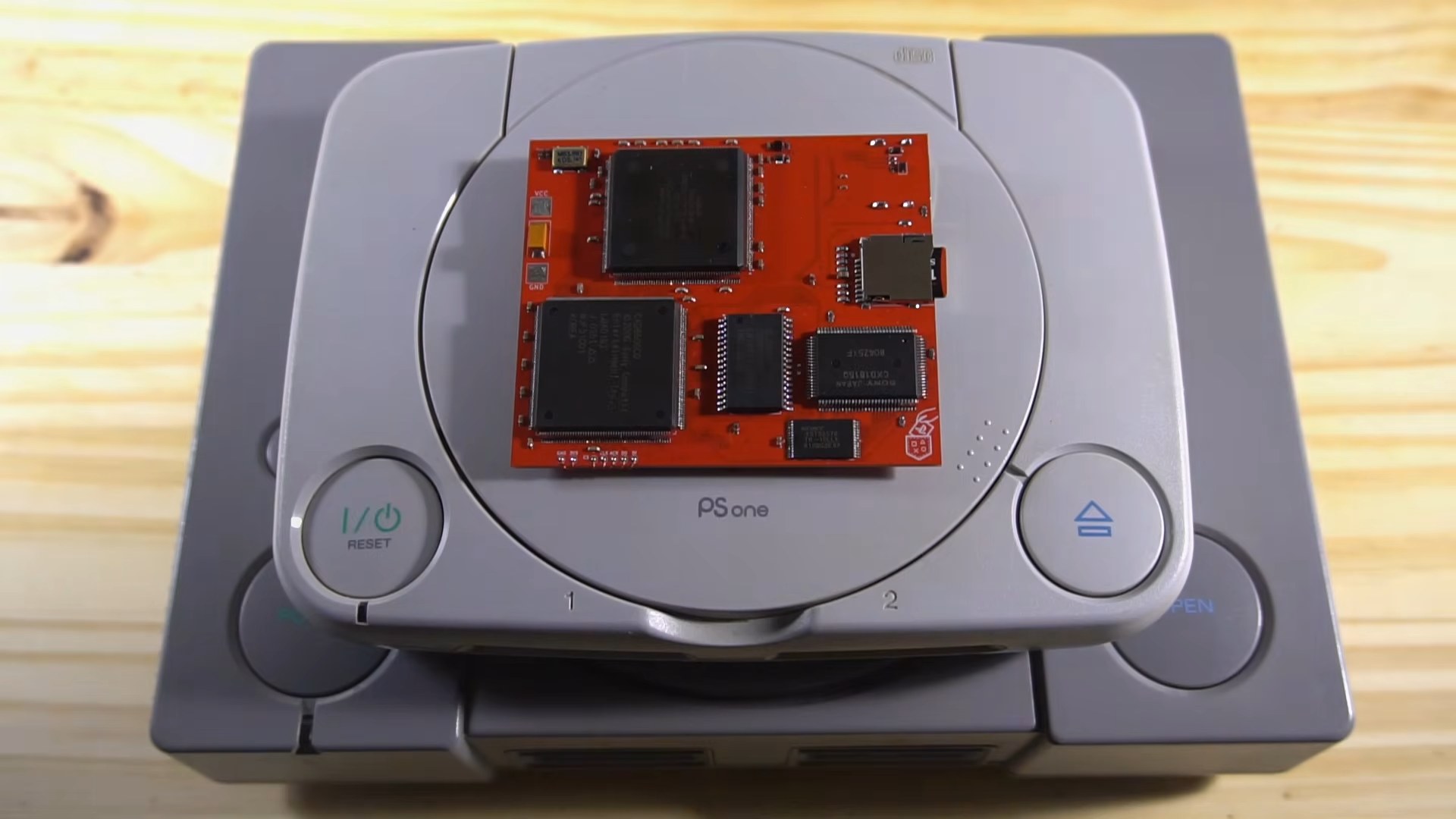
The sheer scope of this build is what makes it genuinely impressive. Most retro mods focus on cosmetic improvements or simple connectivity upgrades. This project is deeper. The modder didn't just salvage parts; they integrated the core architecture of two separate PS1 units onto a single, custom-designed Printed Circuit Board (PCB).
Why combine two? Because the complexity and sheer volume of the original components required a highly sophisticated, consolidated platform. By moving the guts onto a custom PCB, the modder achieved several critical things. First, they stabilized the system, mitigating the wear and tear inherent in decades-old motherboards. Second, they created a unified, clean slate for modern additions.
This isn't just a Frankenstein’s monster of electronics; it’s a highly optimized piece of engineering. The custom PCB acts as the central nervous system, allowing the modder to bypass the limitations of the original board layout while retaining the authentic functionality of the original PS1 architecture. It’s the difference between a patch job and a full architectural overhaul.
Bridging the Gap: Modern Features, Classic Form Factor
The real genius of this hybrid machine lies in how seamlessly it integrates bleeding-edge features without sacrificing its historical integrity. The goal was clear: make a PS1 that feels like the PS1, but performs like a modern console.
The most obvious—and most necessary—upgrade is the HDMI output. Suddenly, this classic console isn't limited to bulky CRT monitors. It can hook up to any modern HDTV or monitor, making it instantly playable in a contemporary living room setup. This alone elevates the machine from a curiosity to a genuine, usable piece of hardware.
But the modder didn't stop at video output. They incorporated native microSD card support. This is a huge deal for preservationists and developers alike. It means the system can handle modern storage standards, making it far more versatile than its original floppy or proprietary media limitations allowed. This level of customization shows a deep understanding of both the original hardware constraints and the demands of the modern digital ecosystem.