Overview
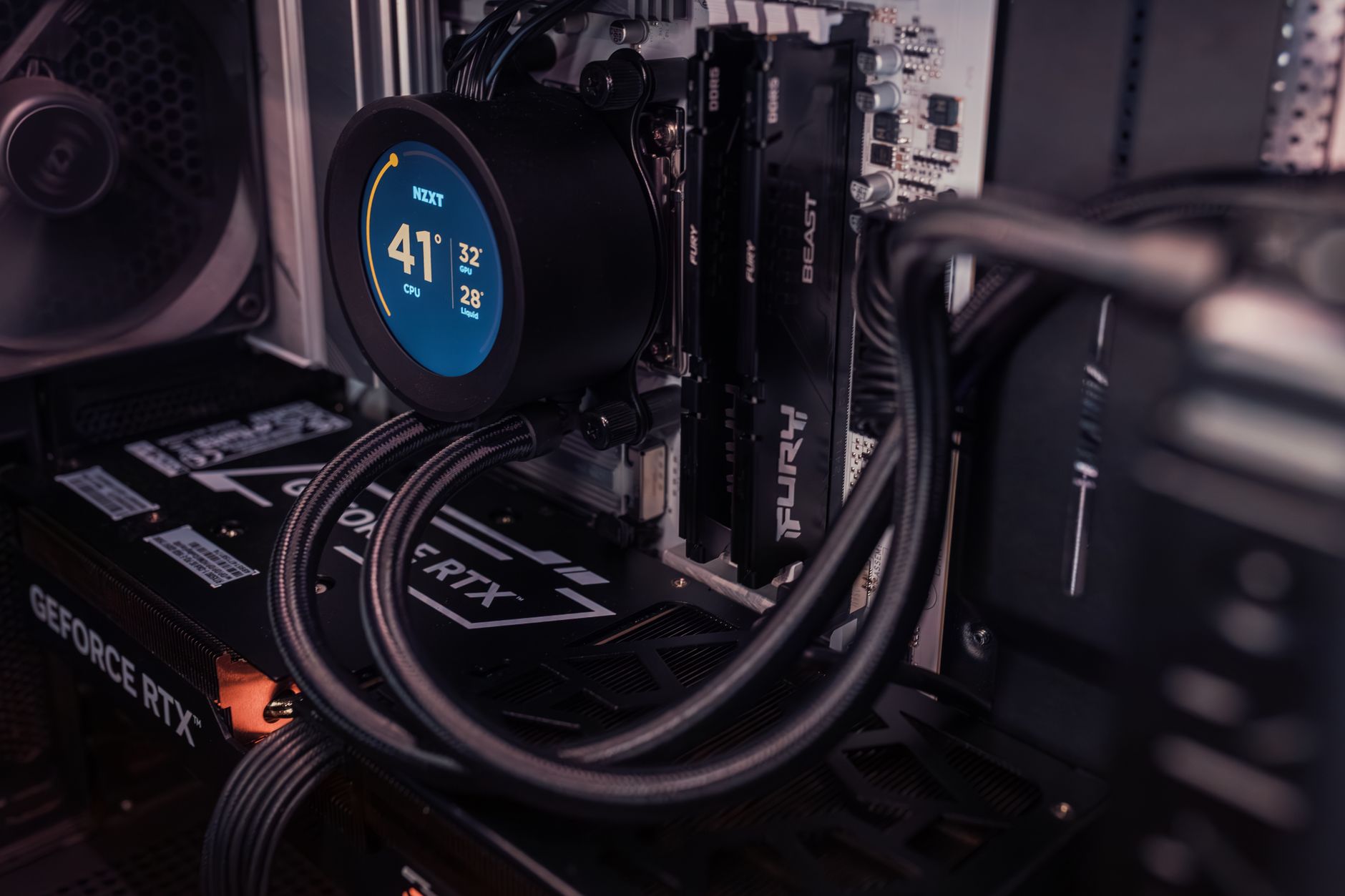
A recent post on Reddit showcased a gaming PC build that transcends mere aesthetics, presenting a cooling architecture so comprehensive and over-engineered it is almost mythological. The system, built by a dedicated enthusiast, represents a pinnacle of personal computing hardware integration, focusing obsessive attention on thermal management. This is not a standard high-end rig; it is a meticulously calculated thermal monument designed to push flagship components far beyond standard operating parameters.
The sheer complexity of the cooling solution—which involves multiple custom loops, radiators, and specialized fittings—elevates the build from a simple assembly of parts into a statement about performance dogma. While many builders optimize for raw FPS or visual flair, this machine prioritizes the absolute lowest possible operating temperatures, suggesting an engineering focus that borders on the academic.
The build itself houses top-tier components, but the cooling system is the undisputed star. It utilizes industrial-grade liquid cooling components, suggesting that the thermal budget for the CPU and GPU is not just a concern, but a primary design constraint. Analyzing the components reveals a deep understanding of modern silicon thermodynamics and the limits of current consumer cooling technology.
The Engineering of Extreme Thermal Management
The Engineering of Extreme Thermal Management
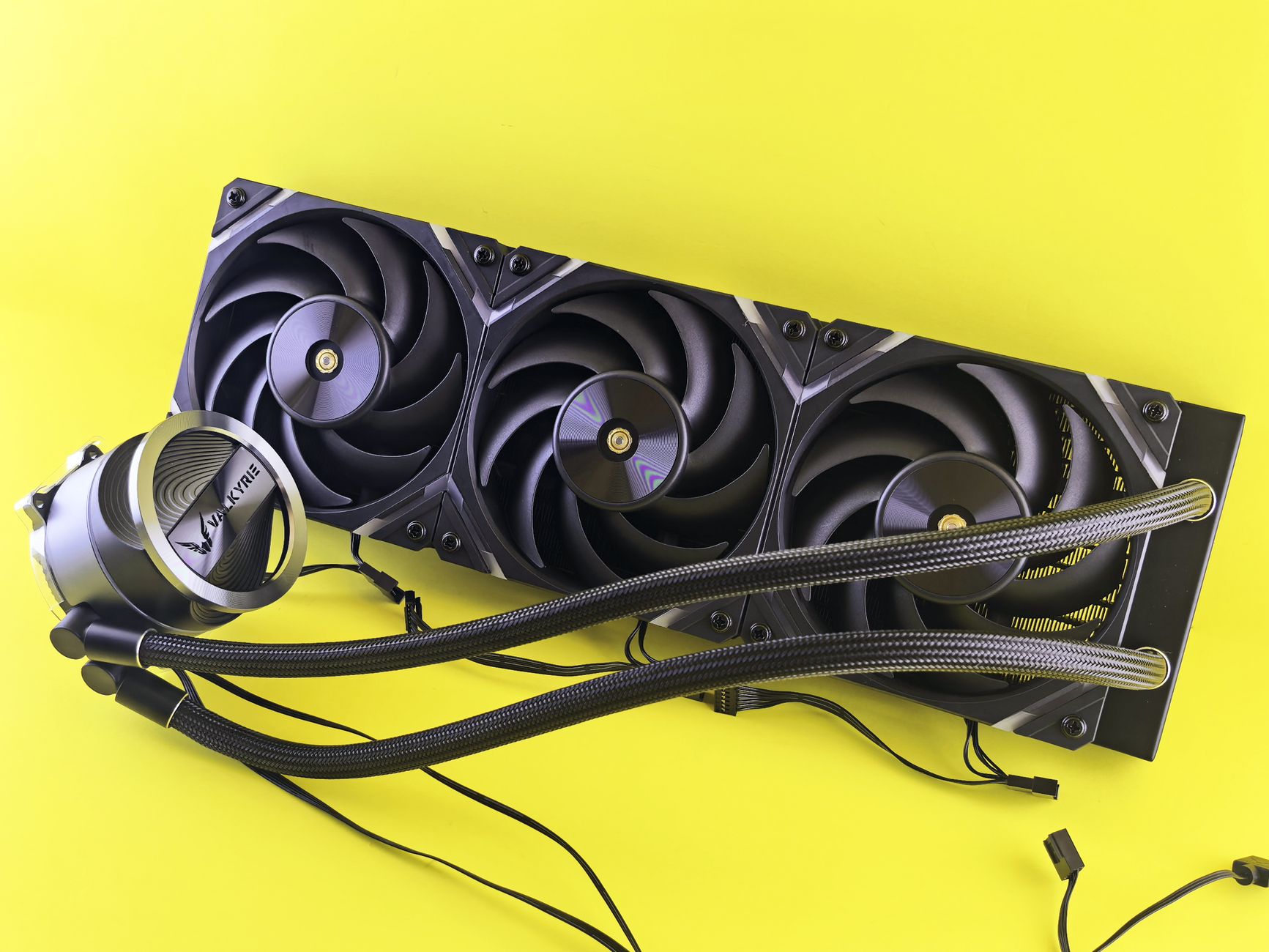
The core feature of the build is the cooling system itself, which utilizes a multi-loop design far exceeding the requirements of most high-end gaming scenarios. Standard liquid coolers manage heat transfer effectively, but this setup integrates multiple dedicated loops, likely incorporating industrial-grade pumps and reservoirs to maintain optimal flow rates.
The selection of radiators and liquid is critical to the build's performance profile. By maximizing surface area for heat exchange, the system ensures that the CPU and GPU can operate at peak boost clocks for extended periods without thermal throttling. This level of cooling is often reserved for enterprise server racks or specialized scientific computing, making its application in a consumer gaming rig particularly notable. The implementation suggests the builder is not merely cooling components, but optimizing the entire thermal envelope of the machine.
Furthermore, the integration of custom fittings and tubing speaks to an obsessive attention to detail. Every component, from the pump to the manifold, appears selected not just for compatibility, but for its ability to withstand extreme operational pressures and maintain flawless thermal transfer efficiency. The build acts as a case study in advanced fluid dynamics applied to consumer electronics.

Performance Implications and Component Synergy
The elaborate cooling system is not a gimmick; it is a direct enabler of peak performance. In modern gaming, the limiting factor for high-end CPUs and GPUs is often not raw computational power, but sustained performance under load. Thermal throttling—the automatic reduction of clock speed to prevent overheating—is the enemy of consistent frame rates.
By maintaining exceptionally low operating temperatures, the system allows the flagship components to operate consistently at their maximum boost clocks, even during extended, graphically intensive gaming sessions. This stability is the true value proposition. The cooling system effectively removes thermal limitations from the equation, allowing the silicon to perform as advertised, minute after minute.
The synergy between the components is therefore paramount. The cooling system dictates the potential of the CPU and GPU. A powerful, expensive cooling loop ensures that the $2,000 CPU and $1,500 GPU can maintain their advertised performance metrics without the performance degradation that lesser cooling solutions would induce. It is a perfect example of how thermal engineering directly translates into measurable, sustained gaming performance.
The Culture of Over-Engineering in PC Building
The existence of builds like this highlights a growing segment within the enthusiast PC community: the pursuit of engineering perfection regardless of practical necessity. This trend moves beyond simple component matching and delves into the realm of bespoke mechanical art.
The cost and complexity associated with such a system are staggering. The investment goes far beyond the price of the CPU and GPU, encompassing custom water blocks, specialized coolant, industrial pumps, and hours of meticulous labor. This financial commitment signals that the builder views the PC not just as a tool, but as a high-performance, highly visible piece of technical sculpture.
This culture of over-engineering serves as a benchmark for the entire enthusiast market. It pushes component manufacturers to develop more powerful, more efficient, and more exotic cooling solutions. For the average user, these builds may seem excessive, but for the niche segment of hardware aficionados, they represent the ultimate expression of technical mastery and engineering capability.