Overview
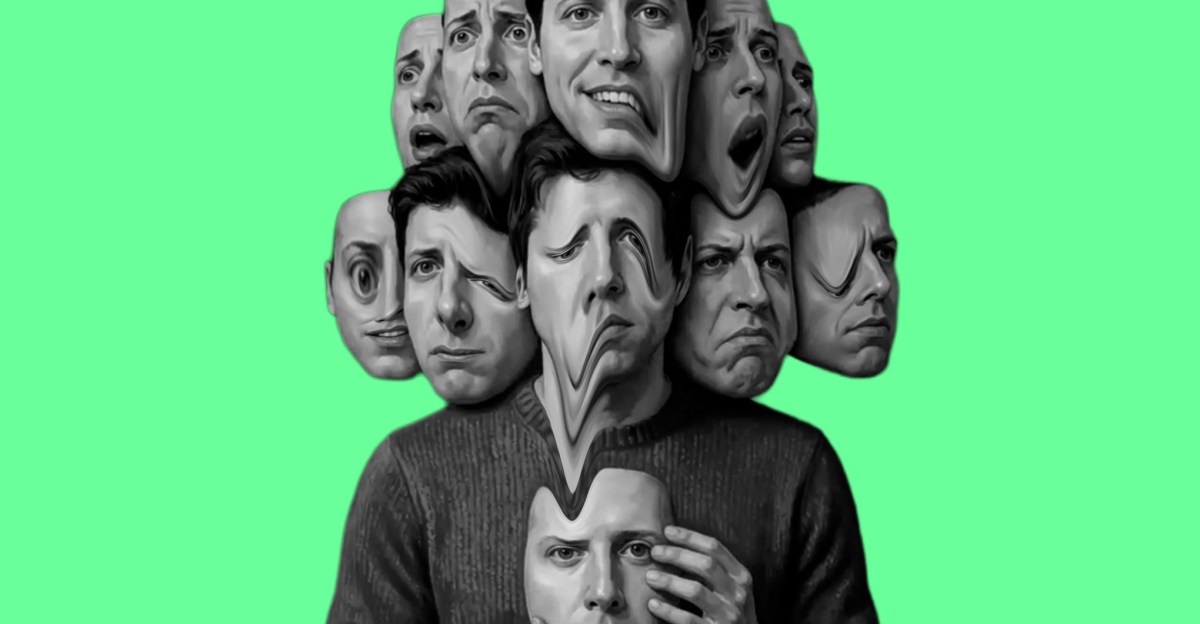
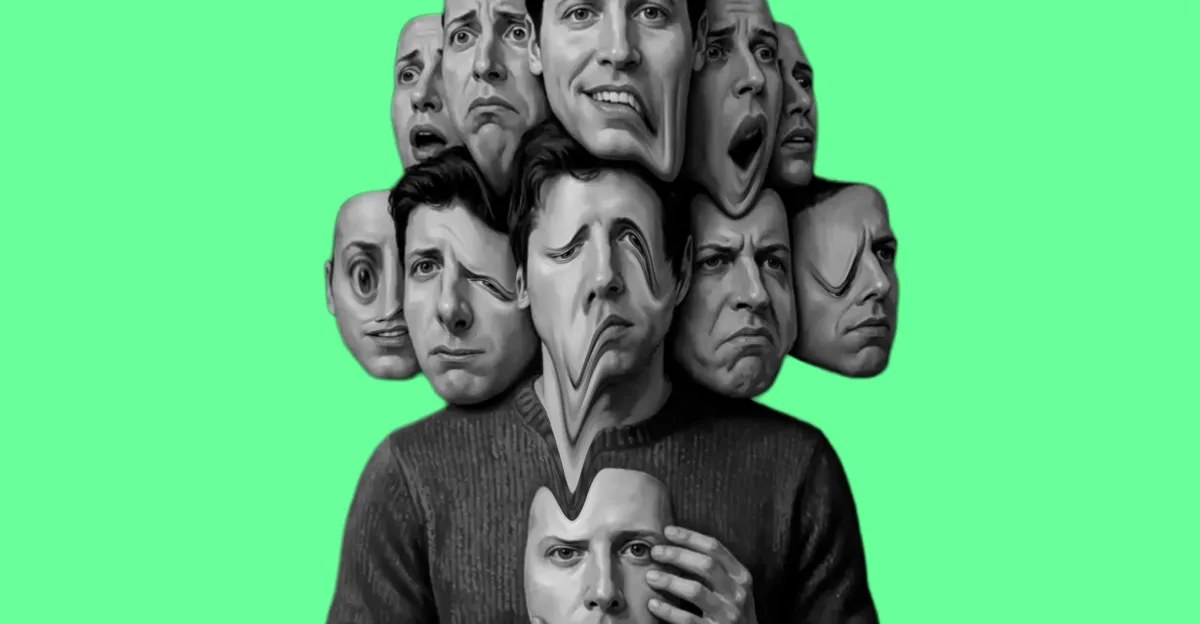
The New Yorker recently published a profile of Sam Altman accompanied by artwork that was decidedly not generated by artificial intelligence. This deliberate choice of traditional illustration, while generating immediate buzz, underscores a persistent tension in the creative technology space: the gap between generative AI's technical capability and its cultural acceptance in established, high-stakes media environments. The controversy surrounding the artwork’s origin quickly shifted the focus from the subject matter to the medium itself, forcing a public reckoning about what constitutes legitimate, publishable art in the age of advanced machine learning.
The incident serves as a clear, if unintentional, litmus test for the current state of generative AI in professional journalism. While the technology has matured rapidly—producing increasingly sophisticated images and illustrations—its integration into prestigious publications remains subject to scrutiny regarding authenticity, artistic merit, and ethical provenance. The decision by a publication with the weight of The New Yorker to opt for a human-created piece signals a cautious, perhaps even skeptical, assessment of AI’s ability to meet the exacting standards of classic literary journalism.
This reluctance is not merely aesthetic; it is structural. Major media outlets are navigating a complex landscape where speed and scale, the hallmarks of AI efficiency, must be balanced against the perceived necessity of human touch and unique perspective. The debate moves beyond whether AI can create art, to whether it should be the primary source of art in contexts where cultural authority and trust are paramount.
The High Bar of Literary Illustration
The High Bar of Literary Illustration
The decision to use a non-AI illustration for a profile of a figure like Altman—a central player in the AI industry—is a powerful editorial statement. It suggests that for certain narratives, the emotional resonance and perceived depth of human craftsmanship still hold significant editorial value. The artwork, regardless of its specific style, carries the weight of a human hand and a human conceptual framework, a distinction that generative models, for all their statistical brilliance, struggle to replicate convincingly on a cultural level.
Generative AI tools, such as Midjourney or Stable Diffusion, have dramatically lowered the barrier to visual creation. They allow users to generate complex, high-resolution images from simple text prompts, democratizing the process of visual production. However, this very democratization introduces a problem of saturation and homogeneity. When the source of creation is a statistical average of billions of existing images, the resulting work risks losing the unique, idiosyncratic signature that defines true artistic genius or even skilled craft.
The New Yorker's choice implicitly argues that in certain contexts, the value lies not just in the appearance of artistry, but in the provenance of the art. The provenance—the documented history and human journey behind the piece—is a commodity that AI currently cannot provide. For a publication whose brand identity is built on deep cultural commentary and literary excellence, the perceived risk of using art that lacks a clear, human-driven narrative is too high.
Generative AI’s Place in the Creative Workflow
The conversation surrounding this artwork extends far beyond a single magazine profile; it speaks to the entire professional creative workflow. Tech companies are rapidly integrating generative models into everything from graphic design suites to video editing platforms, promising unprecedented efficiencies. For instance, a marketing team can now generate dozens of ad concepts in the time it once took a junior designer to sketch three.
This efficiency is the primary selling point for the technology. However, the current market response is bifurcated. On one end, the rapid prototyping and volume-driven industries (e.g., gaming assets, rapid marketing campaigns) are fully embracing AI. On the other, the institutions that define cultural quality—museums, major literary journals, and high-end editorial publications—are exhibiting a noticeable resistance.
This resistance is rooted in intellectual property concerns, but also in a deeper philosophical unease. When an AI model is trained on millions of copyrighted images, the resulting output is, by definition, a derivative pastiche. While the law is still catching up to the concept of "style mimicry" versus "direct infringement," the ethical question remains: is the output a true creation, or merely a highly sophisticated remix? The industry is still determining if the sheer volume and technical perfection of AI output can overcome the cultural value placed on originality and human struggle.
The Future of Human-AI Collaboration
The most likely trajectory is not a complete rejection of generative AI, but a highly specialized, collaborative integration. The future of illustration in major media is unlikely to be a binary choice between "human only" or "AI only." Instead, it will involve a sophisticated blend where AI handles the laborious, time-consuming elements, freeing human artists to focus on the conceptual, emotional, and narrative core of the work.
A human artist might use AI as a hyper-advanced sketchpad or mood board generator, rapidly iterating through visual possibilities. The artist then takes these AI-generated concepts and manually refines, redraws, and imbues them with the unique, imperfect signature of human intent. This process leverages AI’s speed while preserving the necessary human layer of curation and final artistic decision-making.
For the creative economy, this means a shift in required skill sets. The value will move away from technical proficiency (the ability to draw a perfect perspective) and toward prompt engineering, conceptual direction, and expert curation (the ability to ask the right questions and select the most resonant output). The human role becomes that of the conductor, guiding the immense orchestra of algorithmic possibility toward a single, meaningful performance.