
A potential disruption to utility vehicles
The utility vehicle market has been stuck in a loop of incremental updates—bigger, slightly more efficient, but fundamentally predictable. If you’re in tech, you know the industry is ripe for a disruption. Enter Slate.
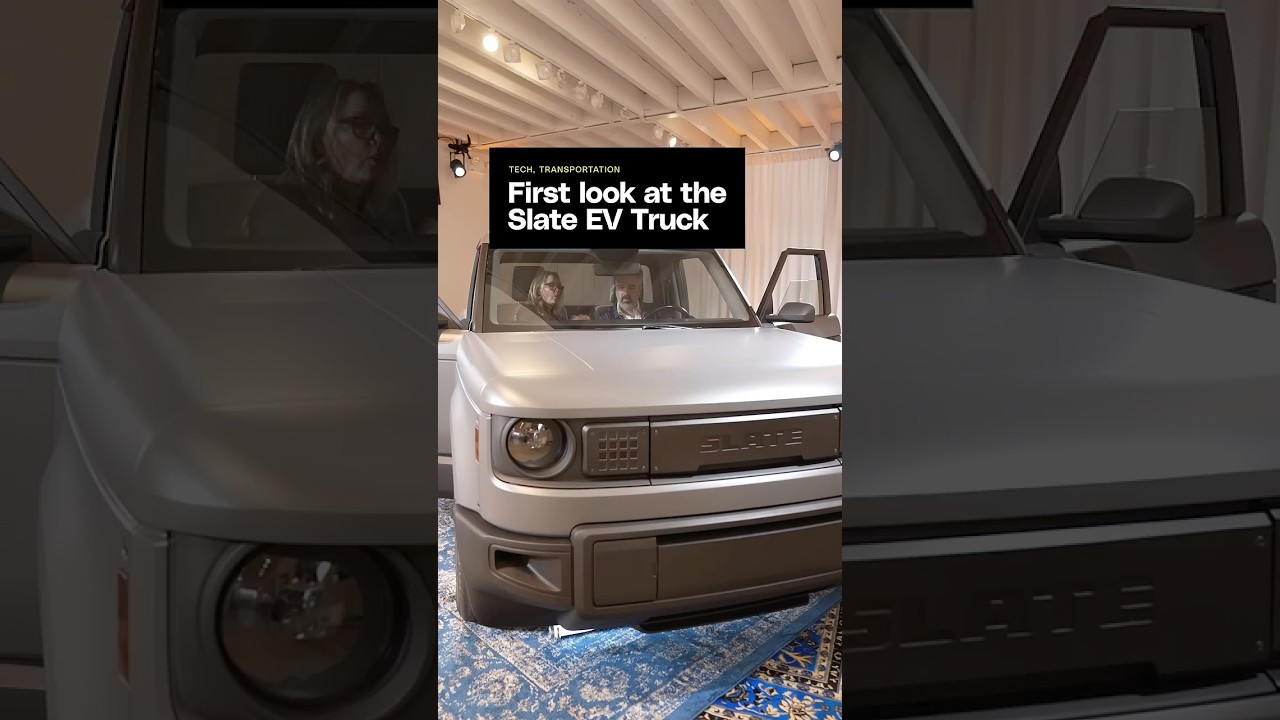
The recent first look at the Slate electric truck isn't just another paint job on a gas guzzler with batteries bolted on. This machine feels different. It carries the weight of next-generation engineering, suggesting a fundamental shift in how utility vehicles are designed to operate, interact, and integrate into smart infrastructure.
For those of us who track the bleeding edge of tech—from decentralized finance to advanced AI models—the automotive sector is no exception. Slate isn't just about torque and range; it's about the platform. It’s about what happens when advanced computing meets heavy-duty capability. If you're looking for the next big thing that moves beyond mere combustion, keep reading.
The immediate takeaway from the Slate reveal is the sheer confidence in its design.
The Architecture of Change: Design and Power
The immediate takeaway from the Slate reveal is the sheer confidence in its design. It’s utilitarian, yes, but it’s also aggressively modern. The design language suggests a complete departure from traditional truck aesthetics. Everything points toward efficiency, modularity, and high-tech integration.
When we talk about the underlying architecture, we're talking about more than just a battery pack. We’re talking about a purpose-built electric platform designed to handle extreme duty cycles. The focus here is clearly on maximizing payload and minimizing operational footprint.
The move to a dedicated EV platform allows for radical engineering freedom. Instead of retrofitting electric components into an existing frame, Slate was built from the ground up for electric power. This translates directly into superior weight distribution, better handling (even for a truck), and the ability to optimize every cubic inch for both cargo and passenger safety.
Beyond the Wheel: AI Integration and Smart Utility
This is where the Slate discussion pivots from "cool truck" to "disruptive technology." For a vehicle to truly define the next decade of utility, it cannot operate in a vacuum. It must communicate, adapt, and interact with its environment using advanced computational power. This is the AI angle.
We aren't talking about basic cruise control. We are talking about Level 4 or Level 5 autonomy capabilities being foundational to the vehicle's operation. The Slate platform is designed to be a mobile data hub. Imagine a truck that doesn't just haul goods, but also manages logistics, monitors environmental conditions, and optimizes its route based on real-time traffic, weather, and even predicted congestion patterns—all managed by an onboard AI suite.
This capability has massive implications for industries ranging from construction to emergency services. A smart Slate could, for example, autonomously manage inventory delivery to a remote site, adjusting its power draw and speed based on the structural integrity of the temporary access roads it encounters.